
“Why does my dog eat poop?” is one of the most common questions I get as a veterinarian. This is mostly because dog guardians are absolutely disgusted by this behavior. And I get it, it’s gross. Especially when your dog licks your face and the image of your dog eating poo pops in your mind… yuck!
Poop-eating, also known as coprophagia, is very common in dogs and there are several reasons that your dog may be doing it.
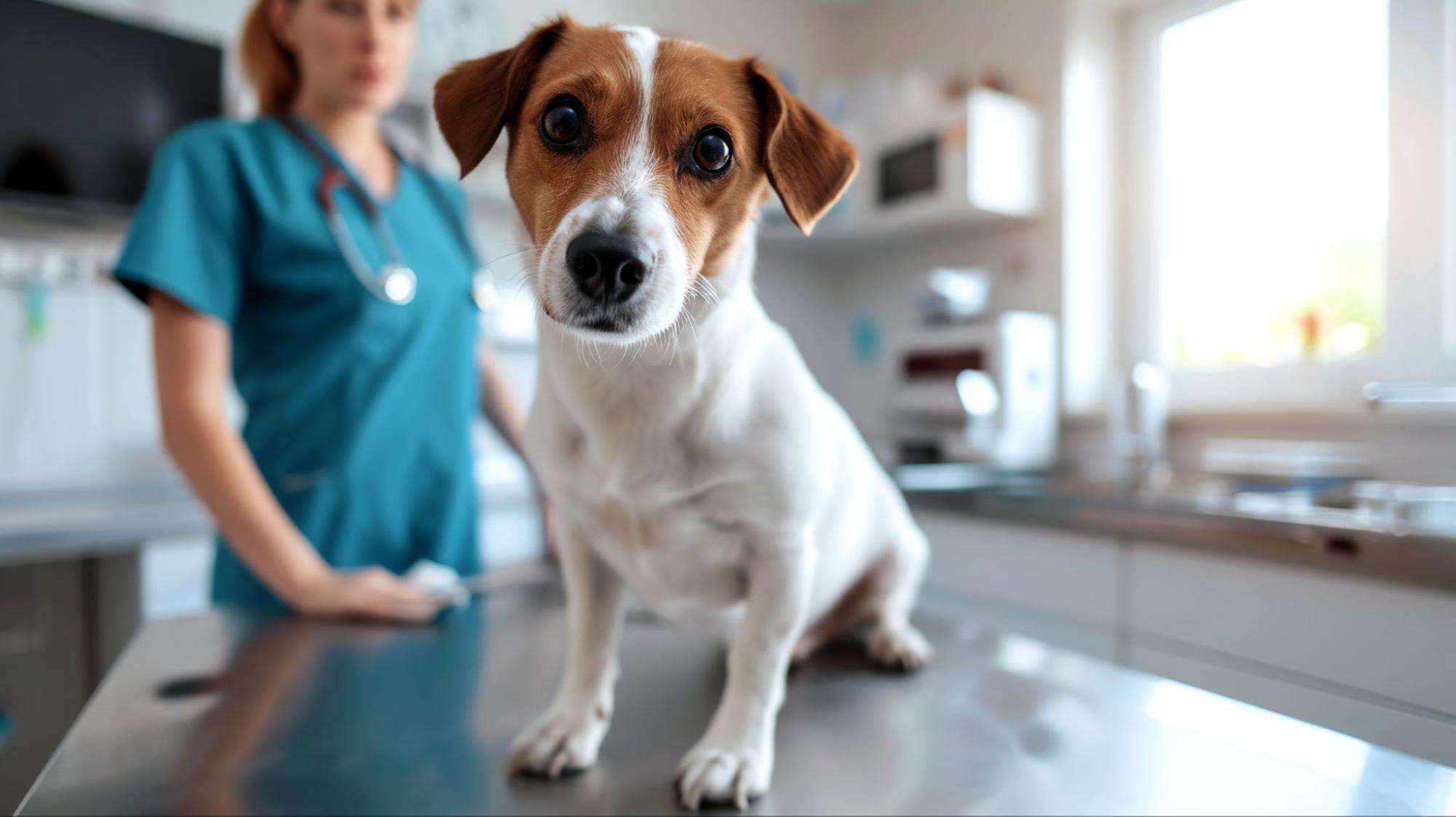
Medical Reasons For Coprophagia
- Poor diet
- Lack of digestive enzymes
- Malabsorption secondary to IBD, EPI, or other gastrointestinal conditions
- Intestinal parasites
- Overuse of antibiotics and other medications
- Underfeeding
Poor Diet
In my experience, coprophagia is more common in dogs fed highly processed dry kibble diets.
Digestive Enzyme Deficiency
Unfortunately, most dogs are fed diets in which digestive enzymes are destroyed by the high heat processing methods used to create kibble. Digestive enzymes are necessary for pre-digestion to take place in the stomach. If these enzymes are low or absent then the food enters the small intestine largely undigested. This causes stress on the pancreas and organs of the endocrine system. In turn, gastrointestinal symptoms such as diarrhea, weight loss, lack of appetite, vomiting and poop-eating may result.
EPI – Exocrine Pancreatic Insufficiency and IBD-Inflammatory Bowel Disease.
Exocrine pancreatic insufficiency (EPI) refers to insufficient synthesis, secretion, and release of pancreatic enzymes by the exocrine pancreas into the small intestines. Digestive enzymes produced by the pancreas are essential in absorption of major food elements. The intestinal tract is not capable of efficiently breaking down large molecules without these enzymes, therefore, maldigestion occurs. Symptoms include weight loss, ravenous appetite, stool eating and diarrhea. EPI is a serious disease but can be managed with diet and supplements. This condition is fairly common in German Shepherds. If you feel your dog may be suffering from this you can have your veterinarian test for it. TLI (trypsin-like immunoreactivity) is the diagnostic blood test of choice for EPI as it is highly sensitive and specific.
Inflammatory Bowel Disease (IBD) is characterized by chronic, recurring gastrointestinal symptoms and mucosal inflammation. The chronic inflammation of IBD can limit your dog’s absorption of essential nutrients. Symptoms include chronic diarrhea, weight loss, vomiting and often stool eating. Bloodwork, ultrasound and endoscopy with biopsy (in my opinion rarely necessary) can all help diagnose IBD.
IBD is often secondary to a food allergy and can be resolved by switching to a novel (new) protein, fresh diet as well as fixing the gut microbiome with microbiome restorative therapy.
Parasites
Symptoms of parasitism can include weight loss, diarrhea, vomiting of worms and stool eating. Fecal testing by your veterinarian is an easy way to rule this out.
Overuse of medications
The overuse or misuse of antibiotics and other medications can result in unhealthy gut flora. Dogs suffering from a poor gut microbiome will often eat stool in order to replace gut bacteria they are missing.
Underfeeding
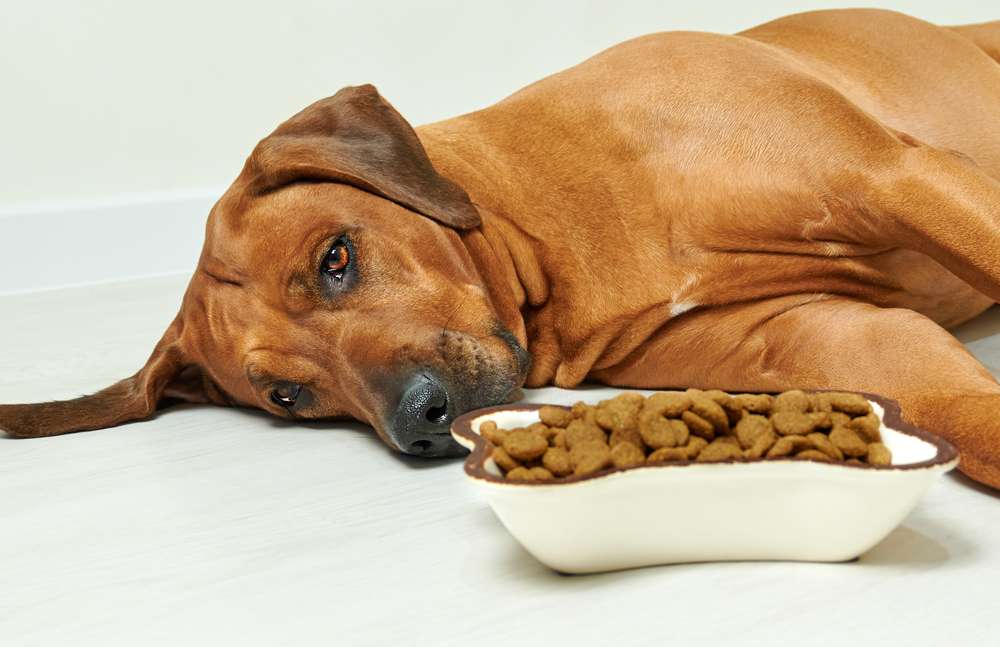
If your dog appears underweight and has a ravenous appetite you may be underfeeding him. If you increase your dog’s food amount and these symptoms do not resolve, then it is most likely a case of malabsorption.
Behavioral Reasons For Coprophagia
- Puppy behavior: coprophagia (poop eating) can be considered part of the process of exploring the world. Most puppies will be satisfied with a sniff, but some will want to put it in their mouths to further their investigation.
- Isolation: Studies have shown that dogs who are kept alone in kennels or basements are more likely to eat poop than those dogs who live amongst their people.
- Restrictive confinement: Spending too much time confined in a small space can cause a poop-eating problem. Dogs in kennel situations may also eat poop because they’re feeling anxious or stressed.
- Poor training methods: When punishment is used during house training, dogs may eat their own poop to get rid of the evidence.
- Living with an elderly dog: Sometimes a healthy dog will consume poop from a weaker dog in the household, especially in cases of fecal incontinence. It has been hypothesized that this may be related to the instinct to protect the pack from predators.
- Breed predisposition: I can tell you as someone who bred shelties years ago that shelties love to eat their poop. I have heard of similar experiences from other breeders as well. Certain breeds seem to do it more than others.
- Greedy eaters– the counter-surfing, food-crazed dog types tend to be poop eaters. They’re just not picky.
- Learning from other dogs. If you have a poop-eater and you introduce another dog to the household, the new dog may pick up the habit.
- Puppy mill dogs- puppies who go hungry, are weaned too early, have to fight with others for food or are forced to sit for weeks in their own filth with no physical or mental stimulation, are at high risk of becoming habitual stool eaters.
Are There Health Risks For Poop Eating?
Eating their own poop is fine, however, consuming poop from other animals could cause health problems. Stool from other animals may be infected with toxins, viruses, bacteria or parasites.
Solutions For The Poop Eater
- Feed a high quality fresh diet: feeding real food instead of a processed commercial diet can make a huge difference. Give your dog a balanced, whole food diet to be sure he’s getting the nutrition he needs.
- Pick it up pronto: clean the poop immediately so that you eliminate the opportunity of a poop buffet.
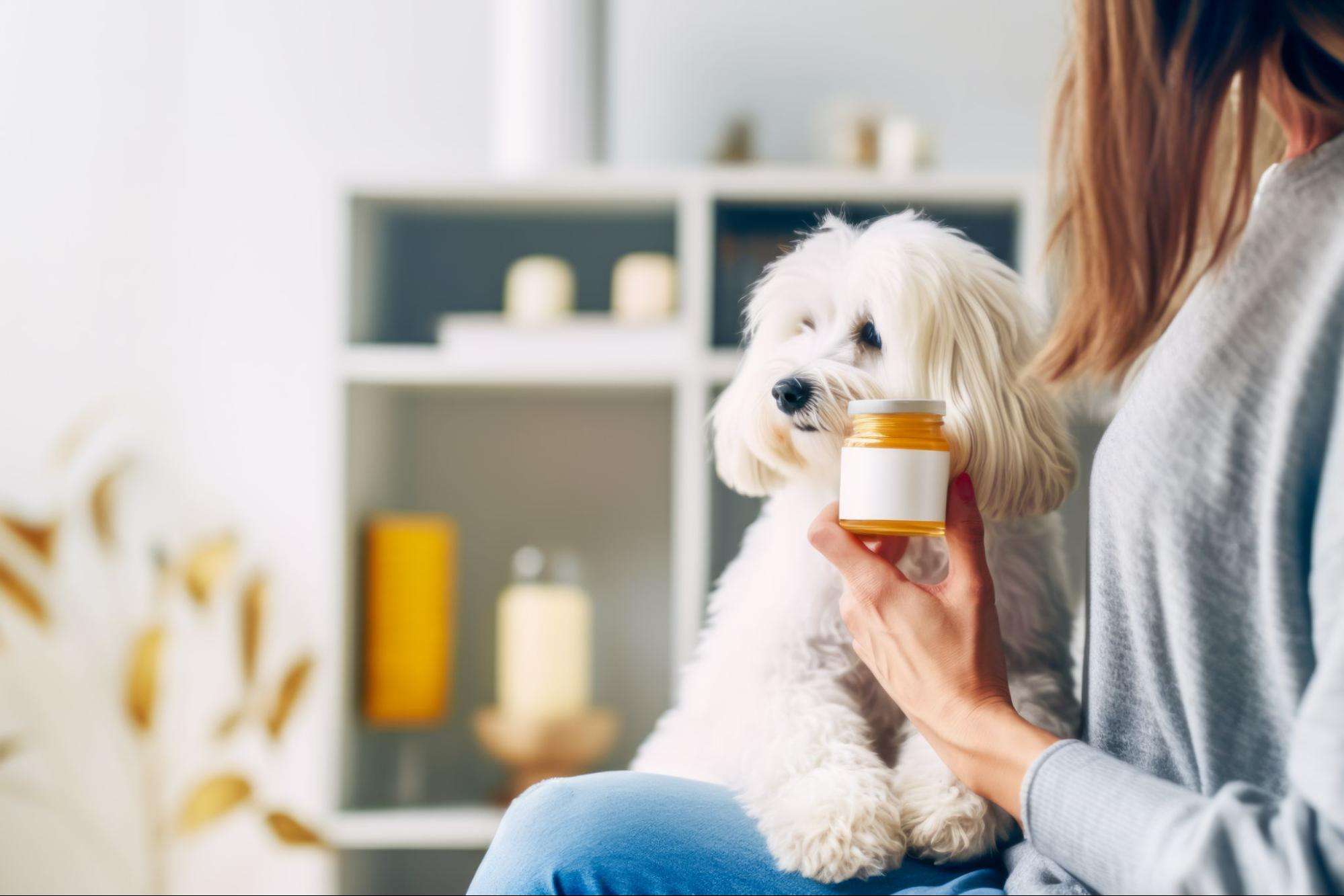
- Digestive enzymes supplementation: by providing your dog with a quality digestive enzyme supplement you can promote nutrient absorption.
- Keep Your Dog Active: avoid boredom and isolation.
- Save Your Breath: punishing your dog for eating stool is just not going to work so don’t waste your time. Instead, pay attention to your dog’s digestive health and make sure he gets plenty of exercise and mental stimulation.
- Save Your Money: don’t invest in over-the-counter poop eating deterrents. They simply don’t work.
- Training: put time into training and reinforcing the “leave it” command.
- Microbiome restorative therapy: this is a procedure in which fecal material is transferred from a healthy individual to the gastrointestinal tract of another individual. This can be very helpful for the poop-eaters and for any dog suffering from chronic gastrointestinal symptoms. Start by sending a sample of your dog’s stool to get the microbiome evaluated. You can do this through Dr. Odette Suter (https://odettesuterdvm.com/) or directly with animalbiome.com.
Your dog’s decision to partake in the poo poo platter may be more than just a gross habit. It could be a signal that something deeper is going on.