
In my career as an ER vet, I have treated many serious injuries and illnesses that could have been prevented.
In this blog, we will discuss some of the most common dog emergencies that I have treated over the past 20 years and how you can avoid them.
Risk #1 – Choking
- Collars pose a serious strangulation risk when dogs are crated or left alone in the house or backyard.
Our own puppy almost died from getting his collar stuck on the inside of his crate while I was driving. Take the collar off when you are not with your dog, or when he/she is crated.
If you have more than one dog it is essential to take their collars off when they are playing. One dog can get his teeth stuck in the other’s collar and cause strangulation. Unfortunately, this is one tragedy we see too often in the ER. - Tags also pose a risk of getting caught on things. Place tags or embroidery on a harness instead.
- Drapery and blind cords pose another strangulation risk. Be sure that the cords from your drapes or blinds are out of reach. This is more of a risk for mischievous and curious puppies.
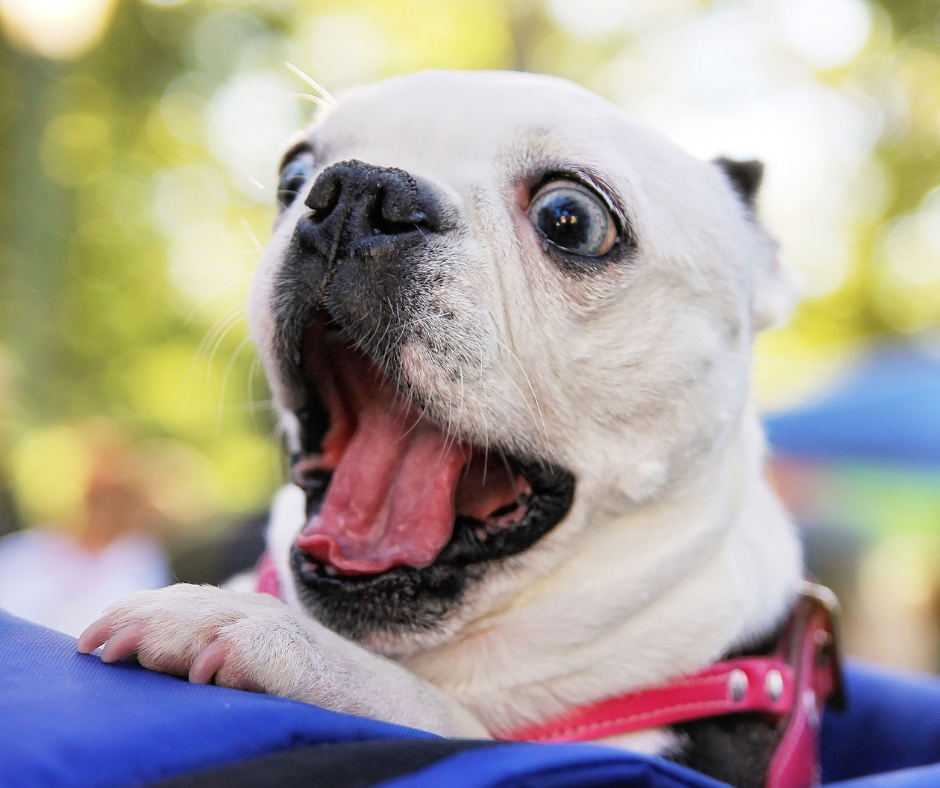
- Choking on toys, especially balls– This is a common cause of sudden death in dogs. An appropriately sized dog ball should be small enough for your dog to carry but large enough that they can’t completely fit it in their mouth – it should extend beyond their jaws a bit, and be obvious when they have it.
Risk #2 – Toxic Foods
It is essential for every dog owner to learn about the foods that can be toxic to their dogs.
- Chocolate
- Onions, shallots, scallions, chives
- Excessive garlic- must be ingested in excessive quantities to be toxic
- Macadamia nuts
- Xylitol
- Grapes & raisins
- Coffee
- Alcohol
- Nicotine
- Apricot, peaches, and plum pits
- Tomato leaves
- Apple seeds
- Raw bread dough
General symptoms that may indicate that your dog is sick or may have ingested something toxic or foreign include excessive drooling, vomiting, inappetence, diarrhea, lethargy, a painful abdomen, and abnormal behavior. If your dog experiences any of these symptoms please have him checked by your veterinarian immediately. It is better to catch these things early than to wait until it becomes more serious. Pet Poison Helpline is 1-855-886-7965.
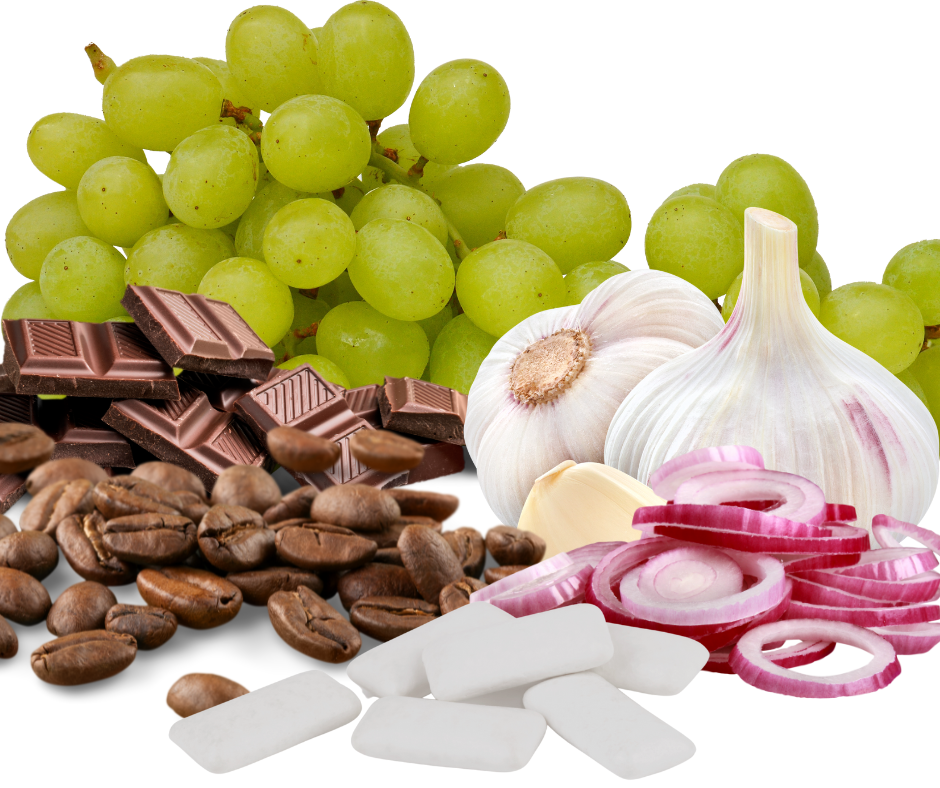
Post a list of toxic foods on your fridge for the family to check before sharing food with the dog.
Other Dangerous Foods – Foods that are high in fat, salt, spices, or sugar can cause gastrointestinal symptoms and should be avoided.
Check out my blog that goes deeper into these toxic foods.
Risk #3 – Medications and Drugs
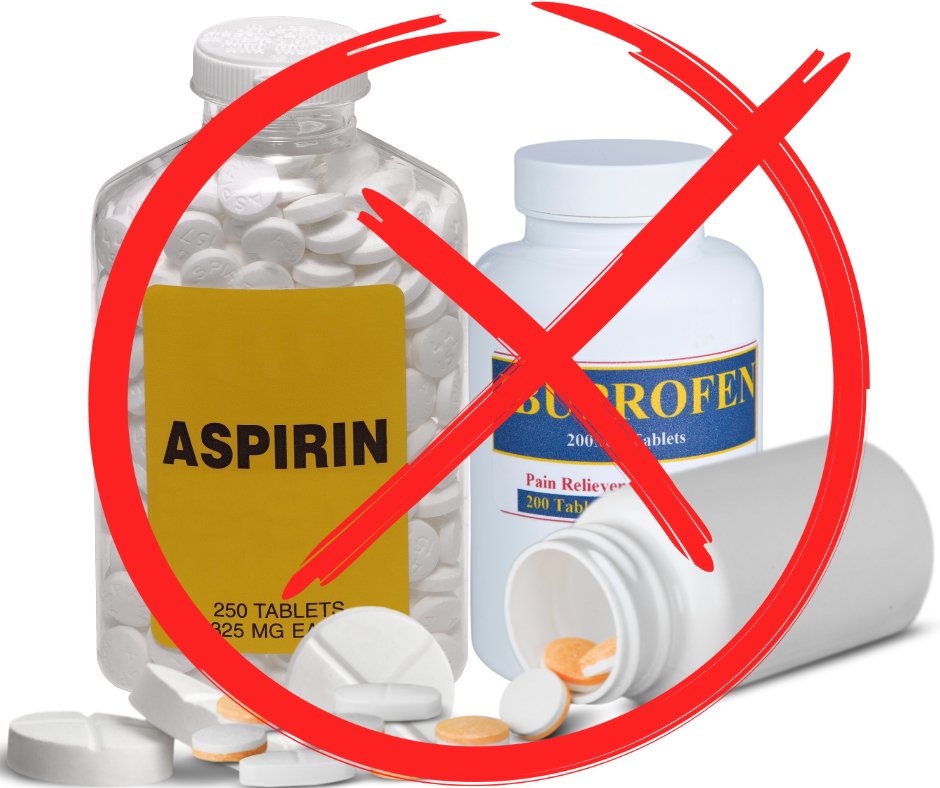
It is important to keep any medications or drugs locked away and out of reach. Most of the accidental ingestions occur because the bottle was left out and the dog chewed it up and ate the contents or a medication was accidentally dropped on the floor and scooped up by the dog. In the second scenario, a “leave it” or Drop it” cue could’ve saved these dogs.
The 10 most common human drugs that dogs ingest that are harmful are:
- Aspirin
- Ibuprofen
- Naproxen
- Indomethacin
- Acetaminophen
- Xanax
- Ambien
- ACE inhibitors (usually used for heart patients)
- Beta Blockers
- Adderall
Recreational Drugs
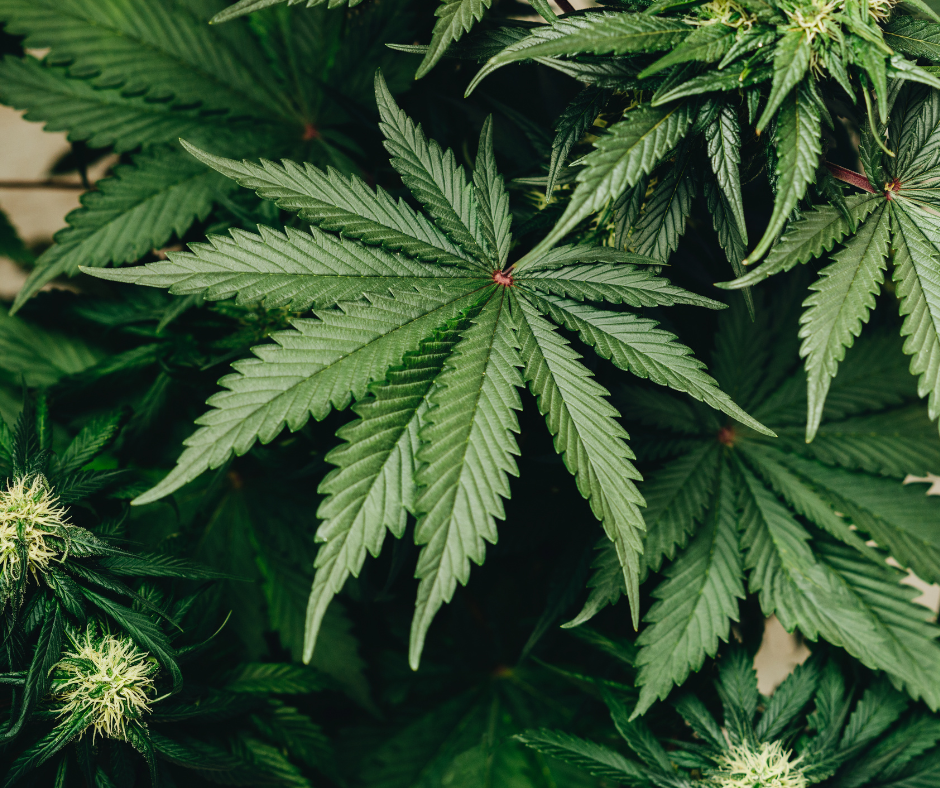
One of the most common emergencies I see these days is marijuana toxicity.
Small amounts of marijuana can cause profound symptoms in dogs such as low blood pressure, disorientation, hyperesthesia (extreme sensitivity to movement and light), low heart rate, vomiting, and even coma.
If your dog ingests a chemical or drug, call poison control immediately and head to your veterinarian for treatment. I do not recommend inducing vomiting at home unless:
1. There is no way to get to an ER
2. Poison Control recommends it.
It is safer to have your veterinarian do this if possible. If you cannot get to the ER then give hydrogen peroxide at a dose of 5mls per 5 lbs body weight. Just be aware that this can have side effects such as esophageal stricture. Definitely, DO NOT give more than the recommended dose.
Risk #4 – Bones
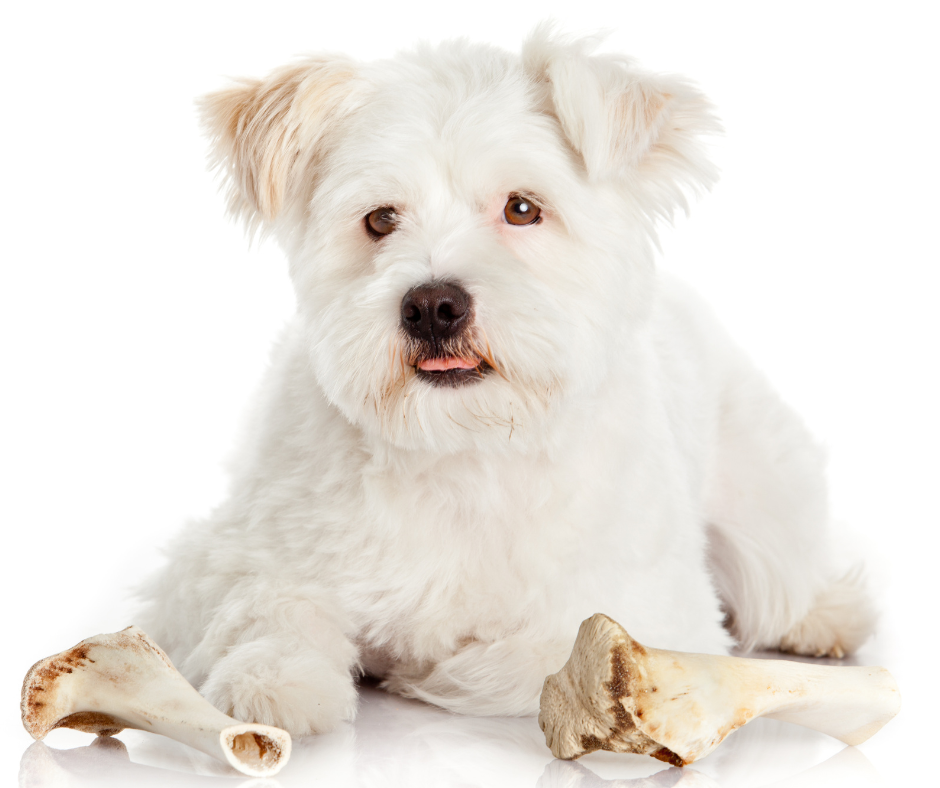
Raw bones are great for your dog’s teeth and gums, however, cooked bones can splinter causing intestinal bleeding and can be a choking hazard. They can also cause intestinal obstruction.
Rawhide bones are processed using toxic chemicals and should never be given.
Risk #5 – Poisonous Plants
Some common plants that may surprise you as being poisonous to dogs are tulips, hyacinths, philodendrons, rhododendron, Oleander, Japanese Yew, Lily of the Valley, Sago Palm, Dieffenbachia, Autumn Crocus, Elephant Ear (Araceae), Aloe Vera (Aloaceae), Poinsettias (Euphorbia Pulcherrima) and Irises are just a few.
You can find a full list here https://www.aspca.org/pet-care/animal-poison-control/dogs-plant-list
All these plants are considered toxic to dogs and can cause symptoms varying from simple GI upset such as drooling, vomiting, and diarrhea to more serious symptoms such as heart rate changes, arrhythmias, blood pressure changes, seizures, and even death.
In many of these plants, the toxins are most concentrated in the bulbs of the plant, making the bulb the most dangerous part.
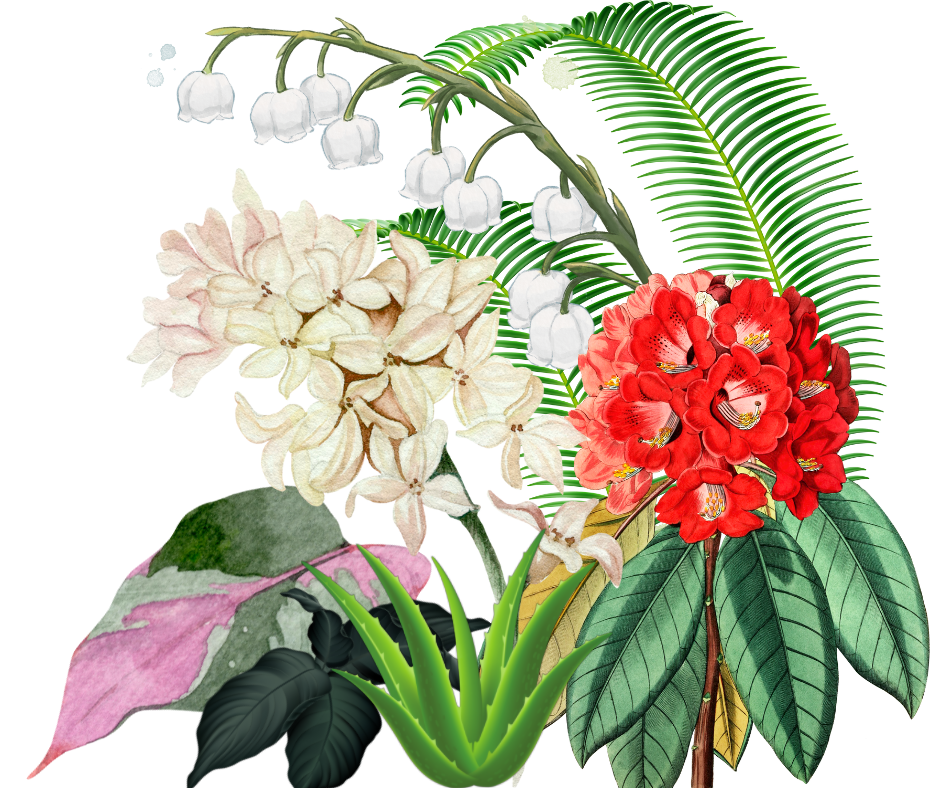
Compare this list to plants in your home and yard. If you find your dog chewing on a potentially toxic plant, remove it, gently rinse the mouth with water and then call a poison control hotline. Here is the ASPCA hotline (888) 426-4425.
Risk #6 – Toxic Chemicals
Dog’s sense of curiosity can lead them to trouble especially if they have access to chemicals. Make sure toxic substances are stored out of reach.
Rodenticides, ethylene glycol (found in antifreeze), and household cleaners are some common causes of severe illness due to toxic ingestion. If you find evidence that your dog may have ingested a toxic chemical, remove it, gently rinse the mouth with water and then call a poison control hotline. Here is the ASPCA hotline (888) 426-4425.
Risk #7 – Intestinal Obstruction
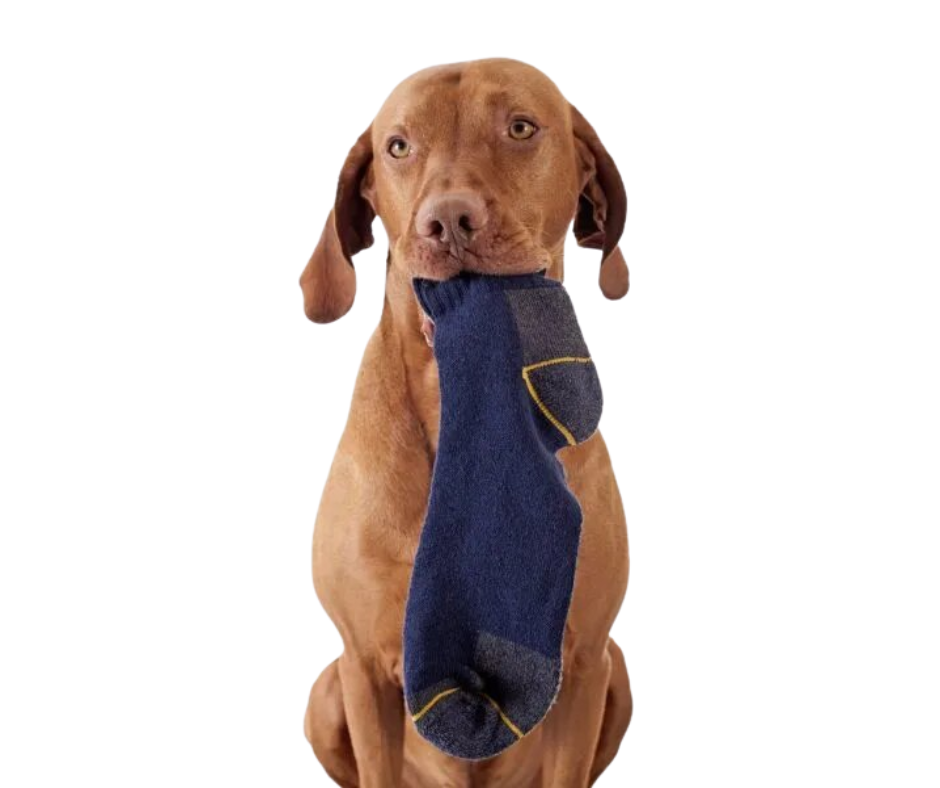
Intestinal obstruction can occur when your dog ingests a foreign object such as a toy, sock, acorn, garbage, pieces of tennis balls, underwear, pacifers, etc.
Dogs use their mouths to investigate the world and will chew to satisfy their instincts. This can lead to them eating things that are not meant to be eaten. If they swallow non-digestible material, it may get lodged in their intestines and require surgery.
If your dog has a tendency to “get into stuff, ” then dog-proof an area in your house to leave him when you’re not home. Never leave puppies unattended. When you are not able to watch your puppy place him in his crate for safety.
Foods such as cooked bones and corn on the cob are common causes of intestinal obstruction in dogs.
Risk #8 – Infections and Viruses
There are life-threatening viruses such as parvovirus and distemper that unvaccinated puppies, and less-commonly adult dogs, are susceptible to.
Be sure that your puppy is fully vaccinated (two rounds of parvo/distemper vaccine at 9 and 13 weeks and then titer) before introducing him to other puppies and dogs. Choose to titer your dog to be sure he has sufficient antibodies rather than over-vaccinating. See my blogs on vaccines. http://drloudon.com/pet-health/vaccines-the-sharp-truth/. http://drloudon.com/pet-health/non-core-vaccines/.
Risk #9 – Environmental Risks
The outside environment can pose many risks to your dog such as cars, wild animals, other dogs, toxic plants, bodies of water, and a multitude of objects that your dog may try to eat off of the ground.
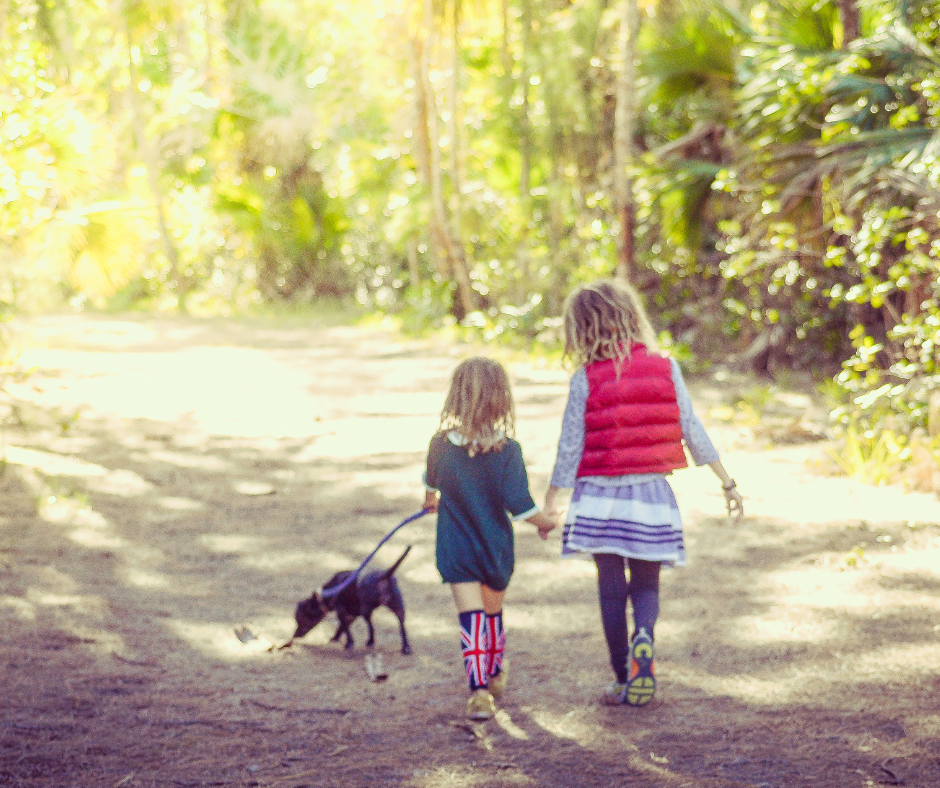
The best way to keep your dog safe outside is to provide a fenced yard or exercise pen and a secure harness and leash when walking. I do not recommend leaving your dog in the yard unattended.
Be sure that your dog’s harness can not slip off. I like the webmaster from Ruffwear. I have seen too many dogs get hit by cars because they slipped out of a harness when startled on a walk.
Obedience cues – It’s important to teach basic cues such as sit, down, stay, and come. These can be vital if your dog gets away from you outdoors.
“Leave it and “out” are also vital cues to teach right away. A solid obedience cue can save your dog’s life.
Risk #10 – Travel Dangers
It is important to keep your dog safe when traveling in the car. I have seen many preventable injuries and deaths in dogs from car accidents. Most occur from impact and not being properly restrained.
For young puppies, the best choice is in a crate with the collar off.
Harnesses/seat belts are a good option for adult dogs. It’s safest to harness your dog in the rear seat. Dogs in the front seat can be injured by the airbags in an abrupt stop. Here is a great harness option- Sleepypod Clickit Utility 2013 Top Performer in safety testing of harnesses. https://sleepypod.com/sport-bundle
Tethers– Tethers are leashes that you can anchor to a spot in your car and then attach to your dog’s harness. Recommendations for these:
- These are intended for use in the rear passenger seat.
- Make sure to keep it as short as possible while still allowing your dog some range of movement, so he can sit up and lie down comfortably.
- Make sure the tether is secured at the back of the harness, never at the neck.
- Some seat belt tethers are sold with specially designed safety harnesses. These are often more robust and safer than dual-purpose harnesses you’d also use for walking.
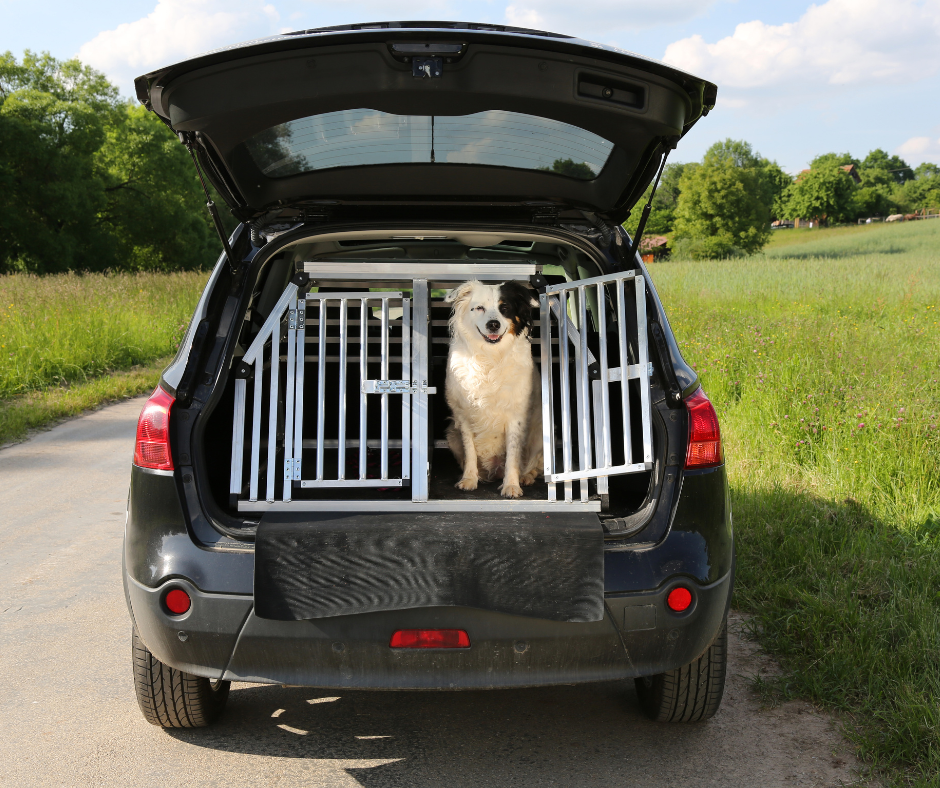
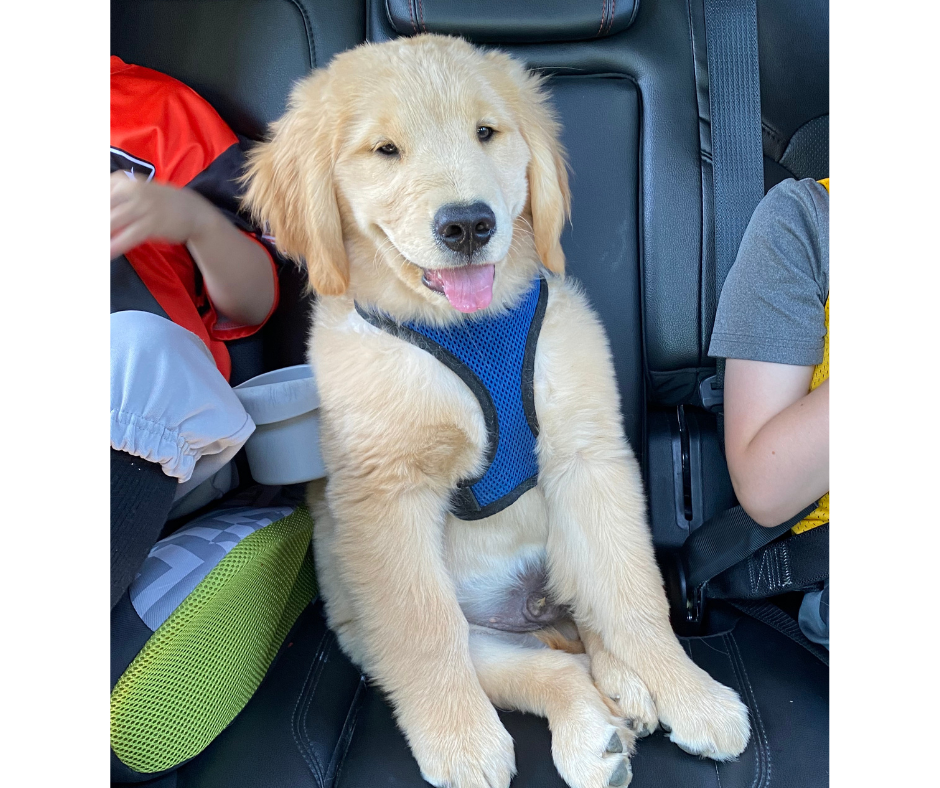
Crate recommendations:
- Choose a crate that will maintain its structural integrity when a lot of force is applied to it.
- Be sure you can easily get your dog out in the event of a crash.
- Can you secure the crate?
- A solid crate can often help a dog if he suffers from car sickness. Traveling in a forward-facing position without being able to see out the window can often help reduce nausea.
- Crates that I recommend for the car include:
- Rock Creek
- Impact – https://www.impactdogcrates.com/collections/crates
- Gunner- https://gunner.com
I like Midwest crates for my house. However, they are more for containment rather than crash protection in the car.
Avoid leaving your dog loose in the car.
Teach cues around travel such as “sit”, “wait”, and “up” to help keep the experience controlled and safe. I have seen dogs get hit by cars or lost because they jolted out of the car as soon as the door was opened. Teach your dog the “wait” cue to prevent this from happening.
Center for pet safety website – https://www.centerforpetsafety.org/test-results/
Risk #11 – Other Dogs
Be sure to introduce your new dog to other household pets in a way that is gradual and safe.
For dog meetings, practice parallel walking by walking around the block without allowing them to interact. Have someone walk one dog while you walk the other. Once they are comfortable and non-reactive to each other you can try them loose in the backyard together.
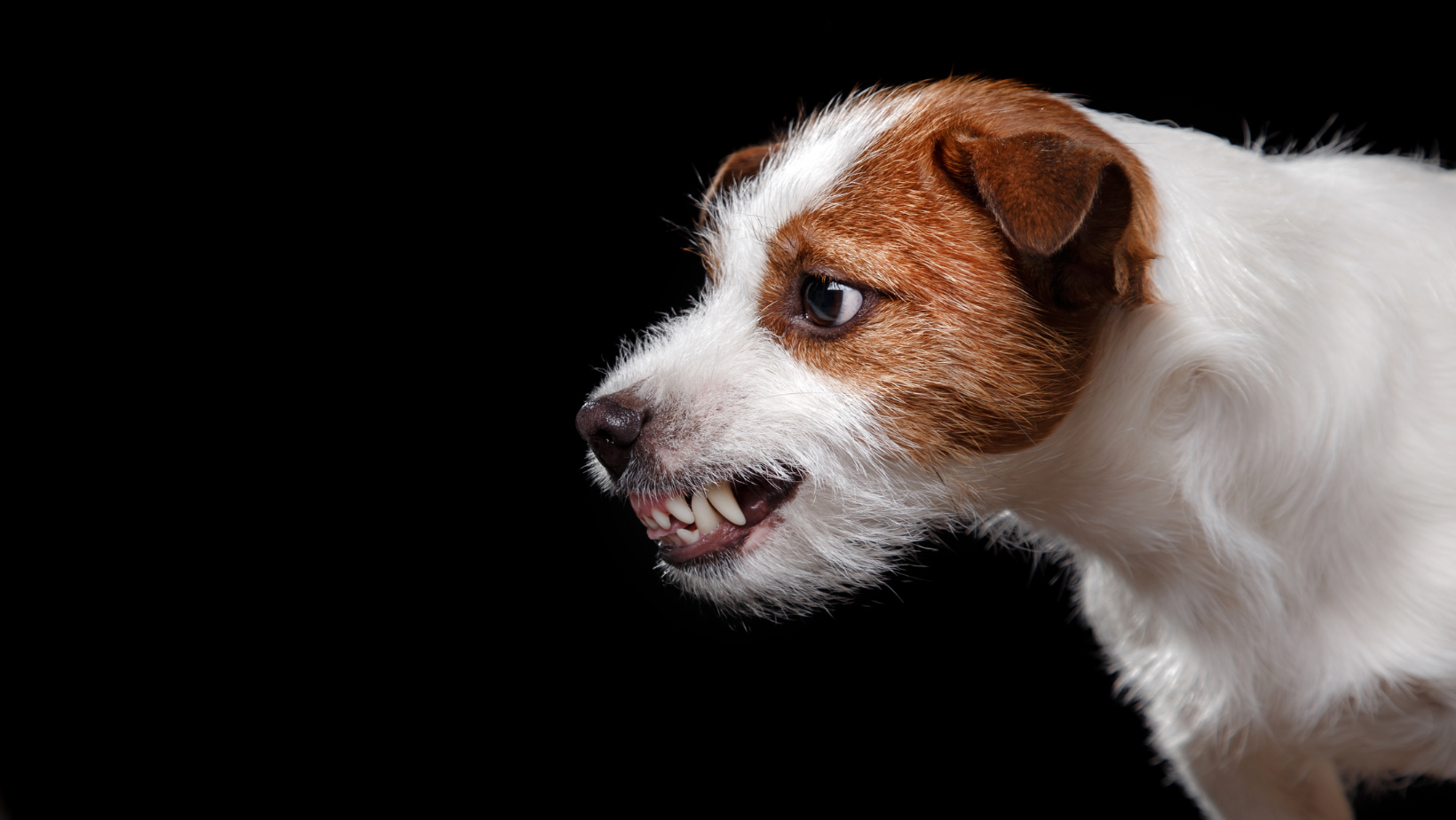
Do not let them meet between fences because this can cause fence aggression. Do not allow them to meet face-to-face when on leashes because this can cause them to be defensive or protective.
One of the saddest and most common cases I see as an ER vet is a dog attacked by another dog while on a walk with its guardian. Check out my blog on how to keep you and your dog safe on walks.
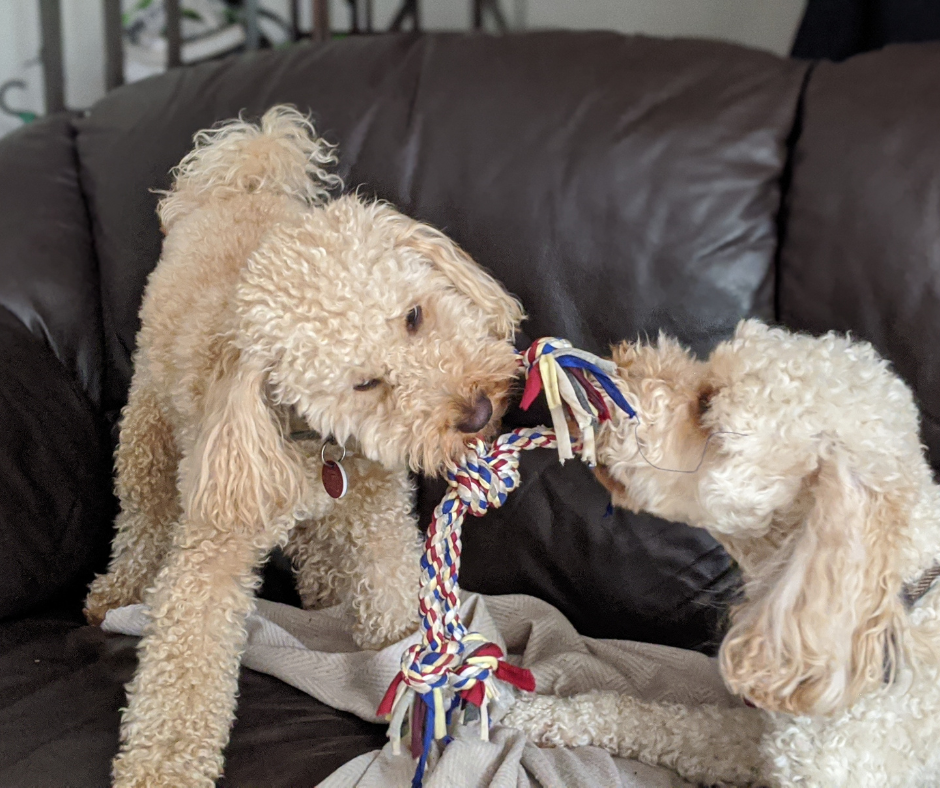
Never leave dogs or other pets alone together. I always separate my dogs when we leave the house. My dogs absolutely love each other but I just don’t take chances. I have seen so many dogs in the ER that fought for the first time, after years of living together, when they have been left alone in the house.
Risk #12 – Children and Dogs
Safety recommendations to protect both
- Understand dog body language & teach it to your kids
- Avoid interactions when the energy states are heightened-like when kids are running full speed yelling and laughing around a backyard.
- Controlled, supervised play sessions.
- Don’t take chances.
- Only allow children to hold the puppies or small breed dogs if they are sitting on the floor. I have seen too many puppy deaths from them accidentally dropping out of a child’s arms.
- Separate when either is eating.
- No rough play, pulling games, or chase. Teach kids not to pet on top of the head and to allow the dog to come to them.
- Follow your gut instincts- if a situation feels like it could go south then intervene.
It is important to teach safety around dogs, just as you would teach your kids to take your hand crossing the street, not to touch the burner on the stove or to not go in the pool when you’re not watching.
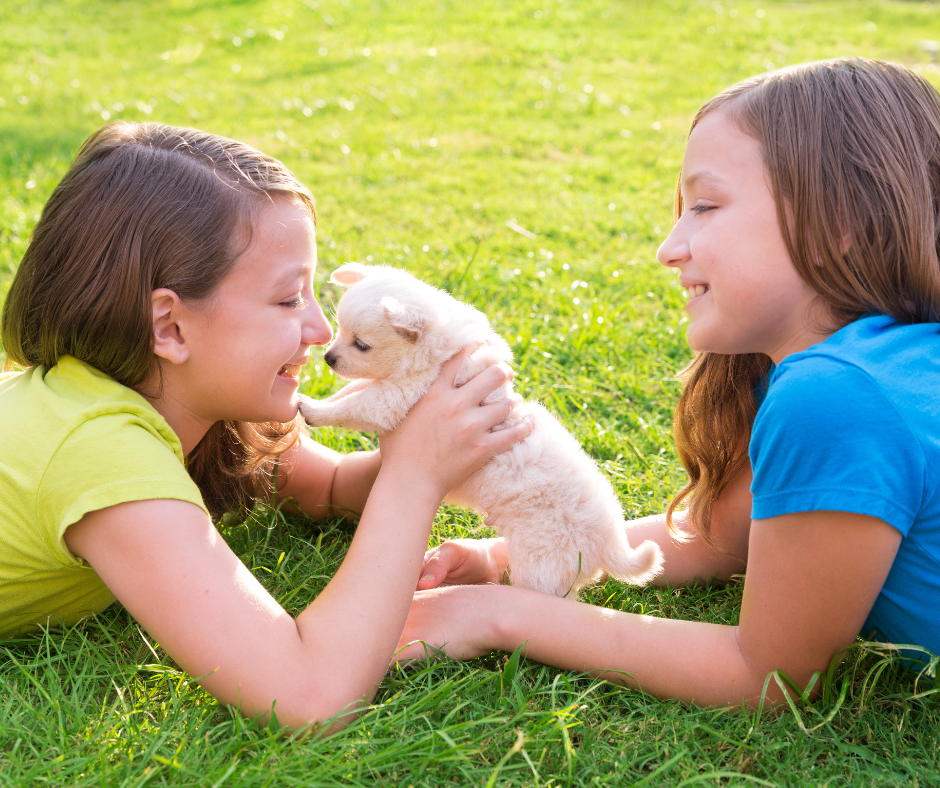
Never leave the puppy and children unsupervised.
Puppies also pose a risk to children because of nipping and scratching, which is a natural behavior for young puppies.
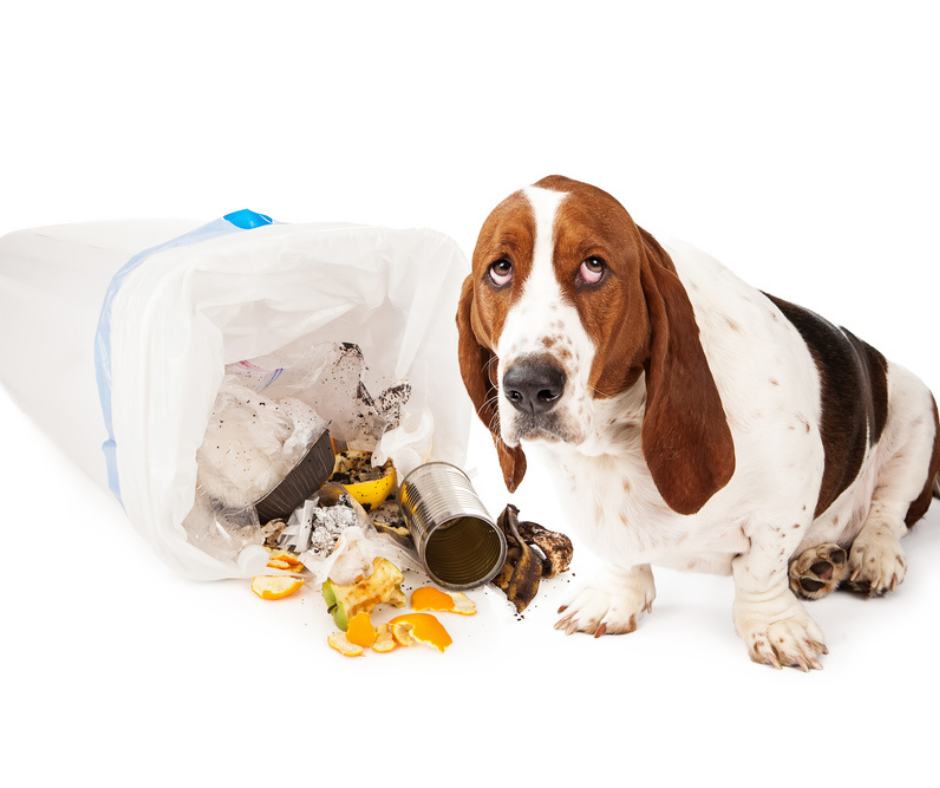
Risk #13 – Garbage Cans
Be sure your garbage cans are secure and out of reach. “Garbage gut” is a common reason for dogs to be brought into the ER with symptoms of vomiting, diarrhea(often bloody), abdominal pain, lethargy, and inappetence. Garbage diving can also lead to gastrointestinal obstruction requiring surgery.
Risk #14 – Stairs
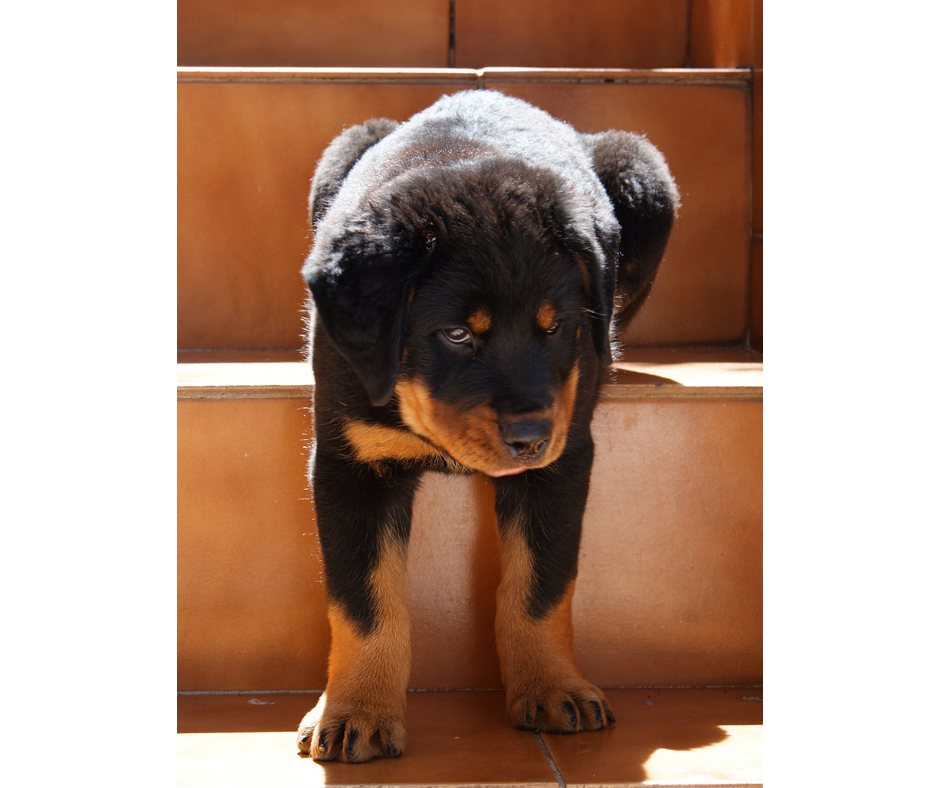
Baby gates are a great way to keep your puppy in a safe environment and away from stairs. This is also important for elderly dogs that have decreased mobility and arthritis.
If you have wooden stairs, I recommend getting stick-on carpets for each stair to help your dog with traction and prevent falling.