
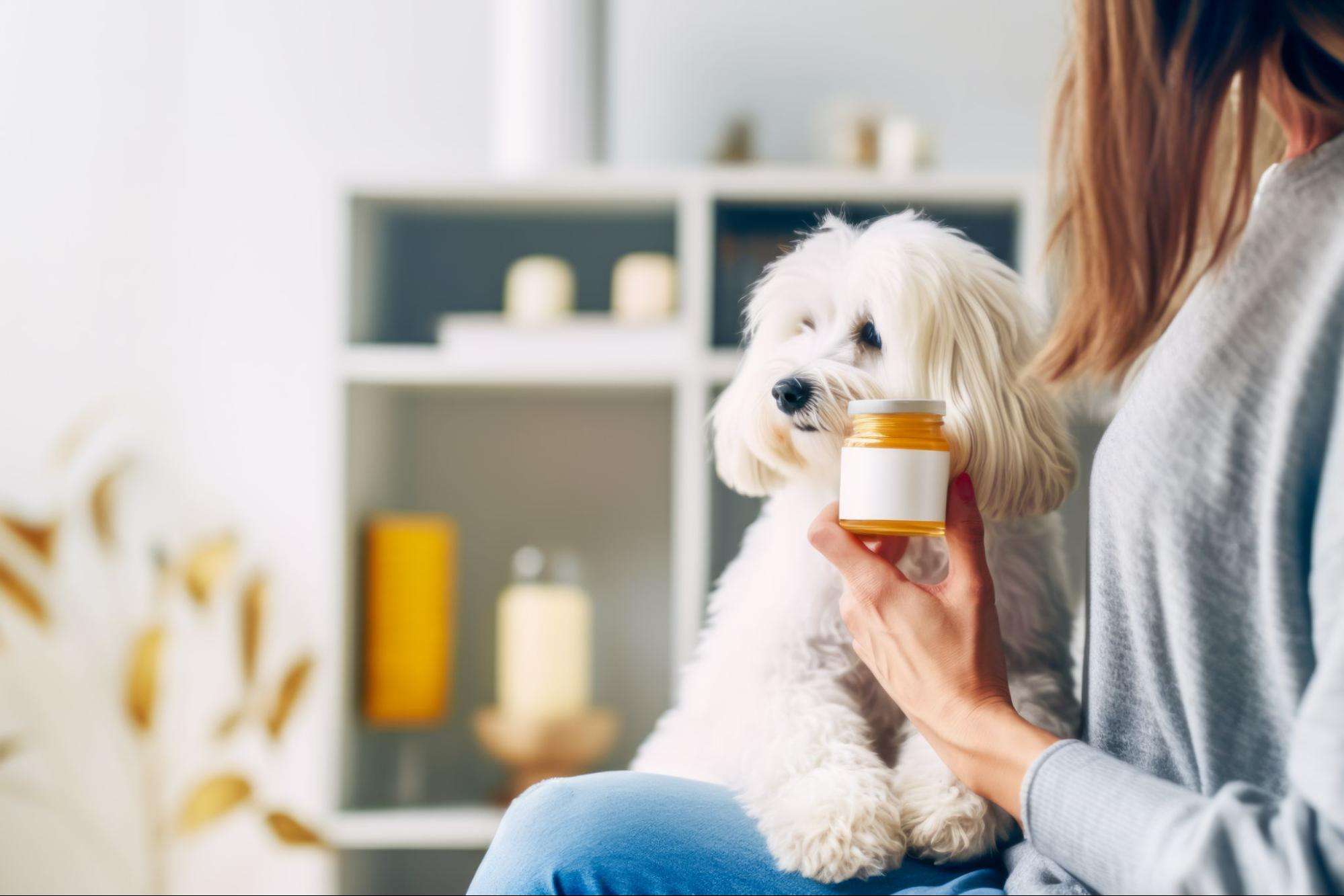
Manuka honey has been prized for centuries for its powerful antibacterial, anti-inflammatory, and healing properties. Unlike regular honey, Manuka honey contains unique bioactive compounds that make it one of the most potent natural remedies available. While humans have long benefited from this superfood, dogs can, too! From soothing sore throats and kennel cough to promoting wound healing and supporting digestion, Manuka honey is a safe, effective, and versatile remedy for many common canine ailments.
In this guide, we’ll explore why Manuka honey is different, how to use it safely for your dog, which conditions it can help with, and how to source authentic Manuka honey.
Why Manuka Honey is Different from Regular Honey
All honey has natural antibacterial properties, but Manuka honey is on another level. It comes from New Zealand, where bees pollinate the Manuka bush (Leptospermum scoparium). This honey contains high levels of methylglyoxal (MGO), the compound responsible for its powerful antibacterial effects. The higher the MGO rating, the stronger the honey’s healing properties.
Manuka honey is graded using the UMF (Unique Manuka Factor) system, which ensures its potency and purity. A higher UMF number (such as UMF 10+, 15+, or 20+) indicates stronger medicinal benefits.
How Manuka Honey Can Benefit Your Dog
Manuka honey, like raw honey, is rich in vitamins, minerals, and antioxidants that support your dog’s overall health. It offers natural immune-boosting properties and can help with allergy relief, digestion, and skin health. Manuka honey can be used internally and externally for a variety of canine health concerns. Here are some of the key ways it can help:
1. Kennel Cough & Respiratory Issues
- How it Helps: Manuka honey’s antimicrobial and anti-inflammatory properties soothe irritated throats and fight bacterial infections that contribute to kennel cough and respiratory issues.
- Dosage:
- Small dogs under 20lbs:1/4-1/2 teaspoon, 1-2 times daily
- Medium dogs 20-60lbs: ½ -1 teaspoon, 1-2 times daily
- Large dogs: 1-2 teaspoons, 1-2 times daily
- Can be given directly or mixed into warm water for easy swallowing.
2. Collapsing Trachea
- How it Helps: Manuka honey coats the throat and reduces irritation, helping to relieve the chronic coughing associated with a collapsing trachea.
- Dosage: Similar to kennel cough recommendations above.
3. Wound Healing & Skin Irritations
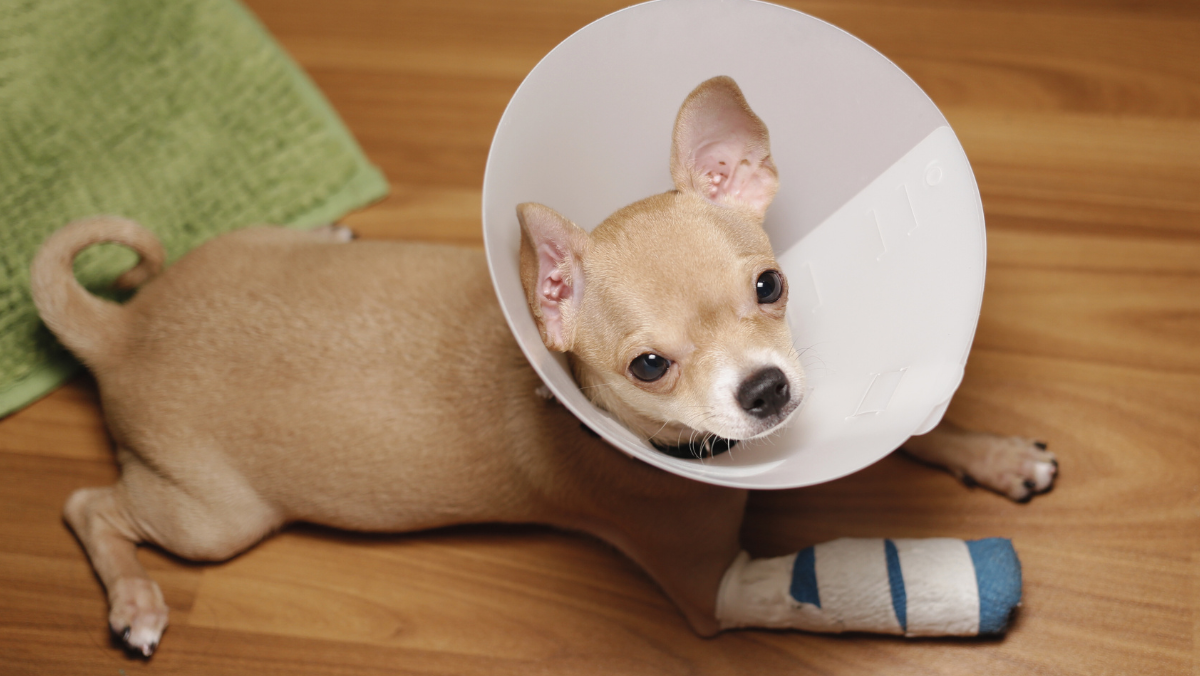
- How it Helps: Manuka honey’s antibacterial and antifungal properties make it a powerful natural topical treatment for cuts, burns, hot spots, and infections.
- How to Apply:
- Clean the wound with warm water and dilute betadine.
- Apply a thin layer of raw Manuka honey directly to the affected area.
- Cover with a bandage if needed, and reapply every 12-24 hours until healed.
4. Digestive Health & Ulcers
Manuka honey contains prebiotics and probiotics, promoting gut health and aiding digestion. It can help with indigestion, constipation, and diarrhea, as well as soothe and heal stomach ulcers.
- How it Helps: Manuka honey can help with stomach ulcers, acid reflux, and digestive upset by reducing inflammation and promoting gut healing.
- Dosage: Give ½ teaspoon per 20 lbs of body weight daily, mixed into food or given directly.
5. Allergies & Immune Support
Manuka honey, like local raw honey, contains trace amounts of pollen. When introduced gradually, it can help build antibodies to environmental allergens, potentially reducing allergic reactions like watery eyes, itching, and skin irritation. It also contains quercetin, a natural antihistamine that helps manage allergy symptoms.
- How it Helps: Regular use of Manuka honey can support the immune system and help dogs with seasonal allergies by reducing inflammation and soothing irritation.
- Dosage: ¼ to 1 teaspoon daily, depending on dog size.
6. Gum Disease & Oral Health
Manuka honey’s antibacterial properties can help reduce harmful bacteria in the mouth, promoting healthier gums and fresher breath. Similar to how raw honey benefits oral health, applying a small amount to the gums or using it as a rinse can support dental hygiene.
- How it Helps: Manuka honey’s antimicrobial properties can reduce bacteria in the mouth, promoting better gum health and fresher breath.
- How to Apply: Rub a tiny amount on the gums or mix with water for an antibacterial rinse.
How to Source Authentic Manuka Honey
As with all honey, quality matters. Many commercial honeys are processed and lack the beneficial compounds that raw, unfiltered honey contains. When sourcing Manuka honey, ensure it is pure, raw, and UMF-certified to guarantee its potency. Avoid mass-produced grocery store varieties that may be diluted or overly processed. Because Manuka honey is in high demand, there are many fake or diluted products on the market. To ensure you’re buying real, potent Manuka honey:
✔ Look for the UMF™ certification (UMF 10+ or higher for medicinal use).
✔ Check the MGO rating (higher numbers mean stronger antibacterial effects).
✔ Ensure it’s from New Zealand – Authentic Manuka honey is only produced there.
✔ Avoid misleading labels like “Active Manuka Honey” without an official UMF or MGO rating. ✔ Choose reputable brands such as Comvita, Manuka Health, Kiva, or Wedderspoon.
A Word Of Caution
Always consult your veterinarian before introducing Manuka honey into your dog’s routine, especially if they are diabetic or have other health concerns.
The risk of botulism: While there is strong evidence that honey contains Clostridium botulinum spores and poses a risk to infants, there is limited direct evidence of dogs contracting botulism specifically from honey. However, given the parallels between infant botulism and potential risks in young puppies, it would be advisable to avoid feeding honey to puppies under 6 months of age or immunocompromised dogs as a precautionary measure.
Final Thoughts: A Natural Remedy Worth Trying
Manuka honey is a powerful natural remedy that can support your dog’s health in many ways—from soothing coughs and healing wounds to supporting digestion and immune health. When sourced properly and used in appropriate doses, it can be a safe and effective supplement for your furry friend.
Manuka honey is a vital product to have in your dog’s emergency health kit—a must-have on your pantry shelf for those unexpected moments when natural healing is needed for both you and your dog. ????????
This blog along with many others sprang out of a question asked during our weekly pack chat inside our exclusive membership: The Dog Mom Society.
Click below to learn more about our beautiful community of like-minded dog guardians who prioritize their dog’s health and wellness.
2 Comments
Comments are closed.

























Pretty nice post. I just stumbled upon your weblog and wanted
to mention that I have truly enjoyed browsing your weblog posts.
After all I’ll be subscribing on your rss feed and I am hoping you write
once more soon!
Thank you! I am so glad that you enjoy my blogs. It’s nice to know that my writing brings value to readers like you. Feel free to comment on my blogs or on my social media pages if you have questions or topics you’d like me to cover.