
Overview
- Milk thistle can be beneficial to dogs with liver issues, pancreatitis, cancer, skin allergies, kidney disease, Cushing’s disease, and diabetes.
- It has powerful detoxifying abilities.
- Milk thistle is a powerful antioxidant.
- Silymarin is part of the plant that has beneficial properties.
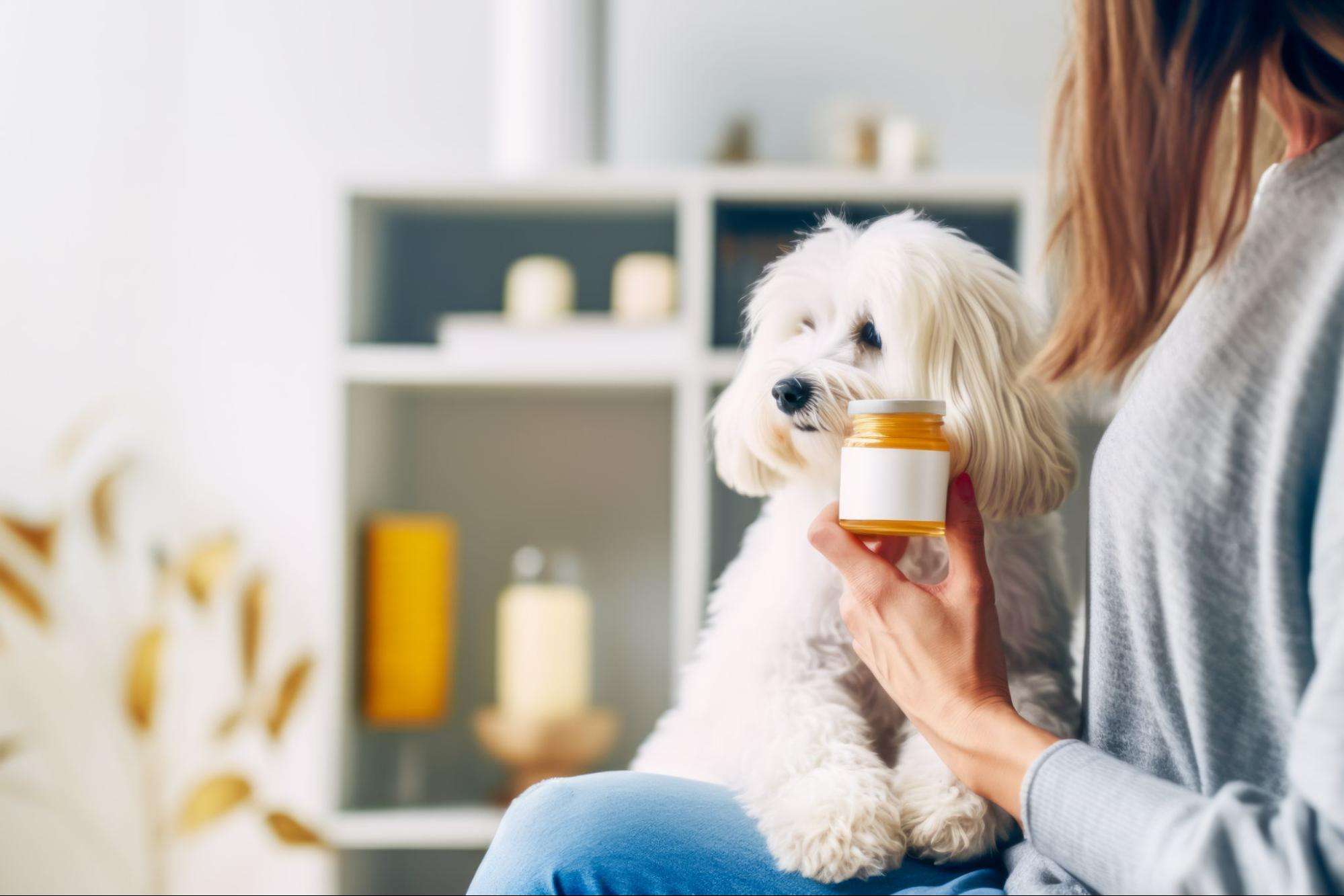
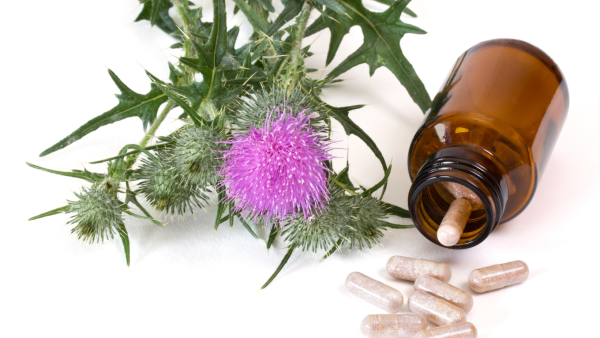
- Milk thistle supplements for dogs come in capsules, liquid, or powder forms.
- Although Milk Thistle is very safe, dog guardians should speak to a veterinarian before giving a supplement to their dogs.
- Milk thistle is recommended for dogs with a health concerns that will benefit from Milk thistle rather than as a regular daily supplement for healthy dogs.
- To ensure you choose the best milk thistle supplement with the highest bioavailability possible, be sure the label indicates that the herb has been combined with phosphatidylcholine to create a phytosome.
What Is Milk Thistle?
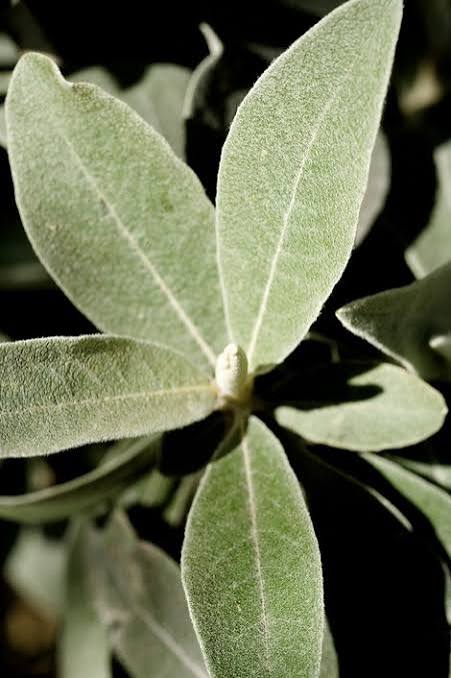
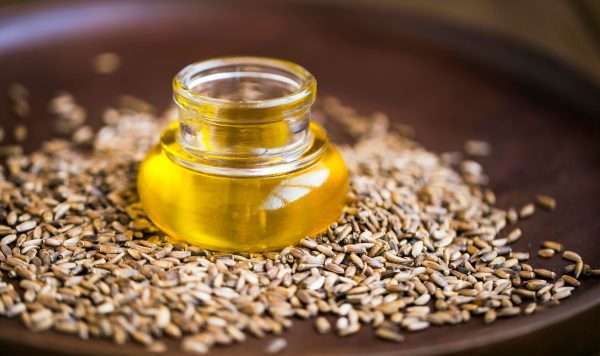
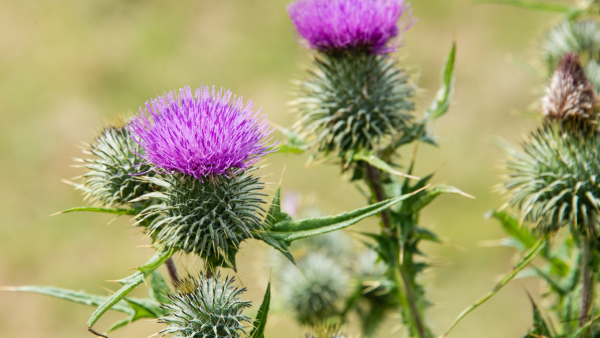
Milk thistle (silybum marianum) is a flower, specifically a member of the aster family. Its seeds and roots have been used for an assortment of medical purposes for thousands of years. The active ingredients in milk thistle are a group of plant compounds collectively known as silymarin. Its herbal remedy is known as milk thistle extract which has a high amount of silymarin (between 65–80%) that has been concentrated from the milk thistle plant.
Benefits Of Milk Thistle
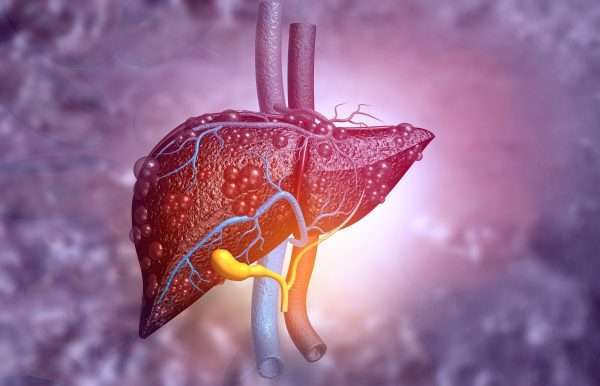 Liver Support
The liver is the most dynamic organ of the body and is responsible for hundreds of biological actions that the body needs to survive. The liver protects the body from toxins by detoxification.
Silymarin has been traditionally used to treat liver disease and most scientific information available is in reference to human use. The biological mechanism of action is yet unknown but several theories exist.
It specifically protects the liver by:
- Reducing toxins (including some drugs and heavy metals)
- Activating protein synthesis
- Stimulates growth of new liver cells to replace those that are dead or damaged.
- Its strong antioxidant properties (destroys oxygen free radicals) and anti-inflammatory actions.
In human patients with cirrhotic livers, alcohol-induced hepatitis, and liver disease from Hepatitis C, silymarin has been shown to improve symptoms, laboratory tests, and survival. It has also traditionally been used to promote breast milk production, treat cancer and even protect the liver from snake bites and other environmental poisons. Silymarin has not been investigated formally for all liver diseases but it is a safe substance and should not cause problems if used in a liver situation where its benefit is unproven. Conventional medicine accepts milk thistle as one of the few herbs with medicinal value.
In dogs, silymarin has been shown to be helpful in cases of Aminita mushroom toxicity and it was protective after carbon tetrachloride administration (both are situations are toxic liver diseases). A study published in the Journal of Veterinary Pharmacology and Therapeutics found that milk thistle effectively treated liver dysfunction in Beagles.
Cushing’s disease
While milk thistle will not treat the cause of Cushing’s disease, it has a cortisol-lowering effect and can help protect the liver from the increased levels of cortisol.
Diabetes
Milk thistle may slightly reduce the insulin needs in diabetic dogs. One human study suggests a role for milk thistle in diabetes mellitus through its normalizing effects on red blood cells. The valuable antioxidants found in milk thistles have been reported in experimental and clinical studies to help decrease blood sugar levels in people with insulin resistance. It may also help prevent diabetic neuropathy, a common complication of the disease that causes degeneration of the nerves controlling the hind limbs, which consequently produces weakness and an abnormal gait.
Pancreatitis
It may be beneficial in the treatment of pancreatitis—both to protect the liver from pancreatic inflammation and promote the flow of bile.
Cancer
This study suggests that the antioxidant effects of silymarin may have some anticancer effects. Researchers at Case Western University concluded from their work that silymarin possesses exceptionally high protective effects against tumor promotion. Some animal studies have shown that milk thistle could be useful for reducing the side effects of cancer treatments. Silibinin, one of the flavonoids, demonstrated antioxidant and anti-inflammatory effects by inhibiting the release of hydrogen peroxide and the production of tumor necrosis factor alpha. Other studies indicate the flavonoids in milk thistle exert anticancer effects by arresting the G1 and S phases of the cell cycle. Generally well tolerated and considered safe in combination with most medications, there are limited concerns for combination with chemo-radiation therapy.
Allergies
The body produces histamine to handle allergies. The liver plays a key role in this process by removing the histamine from the body. However, if your dog’s liver is not up to par then it is unable to effectively process toxins and eliminate them from the body.This can lead to more allergic reactions because the liver gets backed up with toxins and histamines causing build-up in the body. Detox the liver and the allergy symptoms may subside as a result.
Promotes Brain Health
Milk thistle has been found to help improve cognitive function. Researchers suggest that silymarin’s antioxidant and anti-inflammatory properties may protect your brain from damage caused by free radicals. Milk thistle has been shown to increase resistance to oxidative stress which may help improve cognition and treat degenerative conditions that affect the mind.
Kidney Disease
Silymarin has been shown to reduce drug-induced kidney toxicity that leads to kidney failure in dogs.
Other Benefits
Milk thistle should be considered as an aid to healing after drug therapy, vaccinations, and infections such as canine parvovirus and leptospirosis.
Antioxidant Effects of Milk Thistle
Milk thistle is a powerful antioxidant. Silymarin is believed to inhibit inflammatory pathways and act as an antioxidant by scavenging free radicals that can damage cells. Free radicals are a type of unstable molecule that is made during normal cell metabolism (chemical changes that take place in a cell). Free radicals can build up in cells and cause damage to other molecules, such as DNA, lipids, and proteins. This damage may increase the risk of cancer and other diseases.
Protects against oxidative stress – exposure to environmental toxins can increase free radicals in the body which can significantly damage our cells. This is called oxidative stress and can lead to early aging and chronic diseases such as cancer, arthritis, etc.
 Milk Thistle Detox
Many medications, whether they are over-the-counter drugs or prescription, can harm the liver. Especially if the doses are high or if the patient is treated chronically with these medications.
Researchers have found that milk thistle can prevent or reduce medication-induced liver damage. If you’ve been giving your dog medication, milk thistle will help support the liver and flush out the chemicals and toxins.
Milk thistle can also help the liver eliminate heavy metal toxicity making milk thistle a great addition after vaccinations that contain mercury (thimerosal) or aluminum or both.
If you have recently done any of these things with your pet, follow up with milk thistle:
- After having vaccinations
- After administering drugs
- After a de-worming
- After using flea, tick, or heartworm preventatives
- After having spent time in an area with lawn chemicals
- After having anesthetized your pet
 How To Use Milk Thistle
Milk thistle is not recommended to be used as a preventative. Instead, it is best to use it to cleanse the liver after exposure to toxins, as a remedy for liver damage or for the other conditions mentioned above. As with all supplements for dogs, it is best to speak to your veterinarian prior to starting.
You can find milk thistles in most health food stores, in capsule, tincture, or powder forms.
Most holistic doctors feel that milk thistle should be administered for 3-6 weeks with a 1-3 week break.
Side Effects To Watch For
Milk Thistle is really very safe. The only side effect is possibly some self-limiting diarrhea if you give too much. At doses greater than 1.5 grams per day, diarrhea may occur due as a side effect of the increased bile flow. Once you cut back the dose the diarrhea usually resolves quickly.
Interactions With Other Drugs
Silymarin combined with cisapride, an intestinal motility enhancer, can lead to heart rhythm disturbances.
 Choosing a Milk Thistle Supplement for Your Dog
Please keep in mind that herbal medications are not held to the same standards of efficacy and safety that other drugs are. Using a product from a reputable manufacturer with third-party testing is especially important. Check for certification and license of manufacturing.
To ensure you choose the best milk thistle supplement with the highest bioavailability possible, be sure the label indicates that the herb has been combined with phosphatidylcholine to create a phytosome. Phytosome technology envelops the herb to create a cell-like structure that can effectively deliver the plant and its active compounds through the gut protecting it from destruction by gastric secretions and gut bacteria, which enhances the bioavailability of the plant. In addition to enhanced absorption, the phosphatidylcholine in the phytosome is also hepatoprotective, offering a synergistic effect when combined with milk thistle.
Dosage and Administration
The usual recommended extract of milk thistle contains 70 to 80 percent silymarin. Each extract should have a label with the silymarin percentage. 5-15 mg/kg is a commonly used dose for flavonolignans (extract of milk thistle), Silymarin being the primary one. I do not hesitate to use up to 200 mg per 10 pounds of body weight of milk thistle extract daily in patients with advanced liver disease. Too high a dose can cause an upset stomach or mild diarrhea; both are easily resolved by giving less.
Tinctures – I recommend a starting dose of 1/4 tsp per 20 lbs of body weight per day, split into 3-4 equal doses.
Powders – give 2-5 mg per 1 lb of body weight, 3-4 times per day.
Human research studies have shown that it is more effective to administer this herb in three or four small portions over the day than in one large daily dose. When it is not possible to split the daily dose and administer the fractional portions three or four times a day, give it at least twice a day.
The capsule form is easy to find – any health food store, and even most pharmacies and grocers, will have them in stock. The herb also comes in a liquid extract, but most human products contain a fair bit of alcohol. If you prefer a liquid preparation, get one specifically intended for use in animals.
Concerns And Cautions
Silymarin is not recommended for humans during pregnancy. It is probably a good idea not to use milk thistle products in pregnant or lactating dogs until more information becomes available.
Milk thistle products should be stored at room temperature.
Because herbal medications are not held to the same purity and efficacy standards as other medications, there may be tremendous variation in strength between brands or even between batches of the same brand.
Remember most herbalists believe milk thistle is best reserved as a treatment for existing disease, rather than being used by itself in a healthy dog
To learn about the best way to provide your dog with healthy omega-3 supplements check out my blog here