
Ticks are abundant and they carry diseases that can harm our dogs. As dog guardians, it is our responsibility to make informed decisions about the type of prevention we use to protect our dogs from ticks and the diseases they carry.
In this blog, I will discuss:
- The risks of tick-borne infections
- The dangers of conventional tick repellants
- Natural, safe options that work
It’s not as simple as going to your vet and accepting their recommendations of an oral, topical, or combination preventative. Many vets are not willing to acknowledge the dangers of these medications or seek safer alternatives for your dog. Too often veterinarians are required to recommend these toxic preventatives by the corporate veterinary companies they work for who also happen to manufacture them.
As an ER veterinarian for over 20 years, I have witnessed the toxic effects of these products both over long-term usage and in acute situations. I have treated dogs for symptoms such as seizure activity and severe skin reactions following the application of these products. I have also seen dogs that are treated month after month, year after year, with these products who develop chronic skin issues, chronic disease, and general ill health. Have I proven that these toxic chemicals are playing a role? No. But studies have and you can find more information on them in my blog on the dangers of conventional flea and tick prevention. I have seen chronic illnesses and cancer in dogs rise over the years. Dogs’ lives are getting shorter and this is one way that we, as their guardians, are causing this.
Tickborne Disease
Like mosquitoes, ticks transmit pathogens that cause disease through the process of feeding. Dogs can be affected by tick-borne illnesses such as Lyme, Ehrlichia, Anaplasma, Rocky Mountain Spotted Fever (RMSF), Babesiosis, Cytauxzoonosis, American Hepatozoonosis, Bartonellosis, and Tick paralysis.
Symptoms Of Tickborne Illness In Dogs
Many of the clinical signs for active tick-borne illnesses are similar. In acute tick-borne diseases, clinical signs may be nonspecific signs of inflammatory disease (fever, anorexia, lethargy, enlarged lymph nodes). Low platelet counts, mild anemia, and low white blood cell counts may be present in more severe cases. In cases such as Lyme, lameness (shifting leg) and polyarthritis may be present.
The acute phase lasts for 2–4 weeks in untreated dogs, after which clinical signs resolve as dogs enter the subclinical phase, which may last for months to years. In this phase, dogs are still infected but are clinically normal, although mild thrombocytopenia (low platelets) usually persists. Immunocompetent dogs often clear the infection in this phase. Less commonly, dogs may remain lifelong carriers or may enter the chronic phase, which can be associated with more severe disease.
More severely affected dogs in this stage may develop petechiation/ecchymosis, neurological abnormalities, muscle pain, peripheral edema, or dyspnea. Clinical signs may be severe and can include weight loss and debilitation, anterior uveitis, overt bleeding, neurological abnormalities, polyuria/polydipsia due to renal insufficiency, and secondary infections as a result of bone marrow suppression. Fever is common in both the acute and chronic phases.
Do not let these symptoms freak you out… The majority of healthy dogs will mount a sufficient immune response to these infections and will not develop clinical disease. If dogs do develop symptoms, it is very likely there is a coinfection or cofactor playing a role. Examples of coinfections include fungal, bacterial, or viral infections, chronic inflammation, heavy metals, toxins, or parasites. Therefore, if your dog is acting sick and comes up positive for a tick-borne illness, it is important to find out what else is going on.
Treatment
The antibiotic Doxycycline (10 mg/kg PO q24h for 4 weeks) is used most commonly for all active tick-borne diseases because of its effectiveness, relative safety, and reasonable cost. In addition to antimicrobial therapy, some patients with severe symptoms will require additional supportive care.
Steroids at immunosuppressive doses may be necessary to treat severe thrombocytopenia (low platelets) or suspected immune-mediated polyarthropathy (IMPA). Dogs with severe anemia may require intravenous fluid therapy and potentially blood transfusions but this is rare. Dogs with glomerular disease suspected to be secondary to Lyme may need to be treated with renin-angiotensin-aldosterone system inhibitors, omega 3-fatty acid supplements, antihypertensives, antithrombotics, crystalloids/colloids, phosphate binders, aldosterone antagonist diuretics, and treatments for chronic kidney disease.
Treatment of asymptomatic dogs is controversial as there is the fear it may lead to antimicrobial resistance or adverse side effects of drug therapy. This is well-proven in both human and veterinary medicine. I do not treat asymptomatic dogs that come up positive on routine check-ups for tick-borne illnesses. Check out my blog on Lyme disease to find out what to do if your dog does come up positive.
Prognosis
Most dogs that test positive for tickborne illness are asymptomatic and do not require treatment, but they should be checked for proteinuria. See my blog on Lyme to go deeper into testing.
Most dogs with classic Lyme arthritis respond within a day or two of starting antibiotics. The prognosis is excellent.
Dogs with swollen hocks and carpi that don’t respond to doxycycline may have immune-mediated polyarthropathy (IMPA) and respond when steroids are added.
Tick Prevention
The conventional tick preventatives that come in spot-on or chewable forms have been shown to cause severe symptoms in dogs ranging from vomiting and diarrhea to severe neurological symptoms such as seizures. Check out my blog on The Dangers of Conventional Flea and Tick Prevention to learn about the risks of using some of the products that are on the market. You can avoid these harmful preventives and still effectively protect your dog from ticks. There are lots of natural, safe options.
Start With Helpful Habits
- Use a flea comb or force dryer to part your dog’s hair and check for ticks after walks. Pay attention especially around areas such as in and behind ears, between toes, undercarriage, and tail base. Here’s a link to the one I use.
- Use a lint roller or baby wipe over your dog’s coat after walks. This works best for short-haired breeds.
- More frequent baths during warm months using natural flea and tick shampoos. Ectoparasites prefer dirty hair coats. During an infestation, use citrus Castile soap, each week, followed by a final rinse with apple cider vinegar. For this rinse, use 1 part vinegar to 10 parts water.
- Once a week, wash all of your dog’s bedding in hot water with a natural, unscented detergent. If your dog sleeps with you, throw your own bedding in the washer once a week, too.
Natural Tick repellants
- Essential Oil Collar During Walks –
Here are my favorites: - Natural Flea and Tick Spot-on Treatments and Sprays
- Make Your Natural Deterrent Spray.
Spray a bandana to place on your dog when going outdoors. Leave it by the back door, next to the leash & the spray so you don’t forget to put it on your dog.- Goodbye Fleas & Ticks Blend
- 8oz water
- 4oz apple cider vinegar
- 10 drops of Neem oil
- 10 drops cat nip oil
- 5 drops of lemongrass or geranium oil
- Goodbye Fleas & Ticks Blend
- Chemical-Free Tick and Flea Repellent Tags
Tickless devices emit a series of ultrasonic pulses that are imperceptible to people, pets, or wildlife, but interfere with the ability of ticks and fleas to orient themselves.
I added this to my tick-repelling regiment this summer and I have seen a profound difference.
I use all of these options for tick control. We recently spent a summer vacation in Cape Cod and our dogs were hiking with us in high grass and on the beach daily. This was my daily strategy:
- Each had spot-on Wondercide placed before our trip
- The dogs had tickless tags on unless they were going swimming.
- Each had a Wondercide collar on at all times.
- I placed essential oil sprayed bandanas before hikes.
- I sprayed their legs, underbelly, tails, and neck with Cedarcide before walks.
- When we returned I either bathed them and then used a force dryer to dry them and also look for ticks or I just used the force dryer. It depended on how muddy and gross they got on the hike whether I added the bath.
It sounds like a lot and it definitely does take effort. However, it became a routine that paid off to be able to enjoy the outdoor activities while knowing I was doing my best to keep them safe from ticks. During the week-long vacation with daily hikes and swimming, I found only two ticks (one attached, one not attached) on each dog. That, to me, is success for the amount of time my dogs were in areas where tick populations are high.
The fact that my dogs are healthy and clean plays a vital role as well. Ticks seek out unhealthy hosts and prefer dirty coats.
Nutrition
Feed a high-quality, species-appropriate, whole-food diet. Ticks are parasites and parasites seek out the weak and unhealthy. Good nutrition is the foundation of your dog’s health and vitality. The healthier your dog is the less interesting he will be to parasites.
Create A Tick-Free Yard
-
 Clear any tall grasses or brush around your home and at the edge of the lawn.
 - Remove leaf litter.
- Place a 3-ft wide barrier of wood chips or gravel between your lawn and any wooded areas to restrict tick migration.
- Mow your lawn frequently.
- Keep stacked wood neat and dry to discourage rodents.
- Place fences to discourage unwelcome animals, such as deer and raccoons from entering your yard.
- Remove old furniture, equipment, or trash from your yard that may give ticks a place to hide.
- Plant tick-deterring plants.
- Spray the yard with natural tick deterrents such as wondercide or cedarcide.
- Hire an organic, all-natural company to spray your yard.
Using Plants To Repel Ticks

Different landscaping plants have tick-repellent properties, with fragrances, textures, and oils that the ticks cannot tolerate.
Here are some plants that you can add to your yard:
- Rosemary- this plant produces a lot of essential oils. These oils have been shown to be repellent to ticks. Additionally, deer hate rosemary, along with most herbs.
- Garlic- Extracts from garlic have been shown in lab studies to repel ticks, and, like all smelly plants, deer can’t stand the stuff.
- Lavender – Lavender essential oil is used as a tick repellent, so these are great tick-repelling plants to have around your yard.
- Mint– They have a high concentration of essential oils, which is exactly what you want in a tick-repellent plant.
- Lemongrass– This plant is the source of citronella oil. Like all oil-rich plants, they are repulsive to tick-carrying animals and their concentrates have been shown to kill ticks. If ingested in very large amounts can be toxic to dogs but this is unlikely.
- Marigold is a group of plants that give off a strong scent that is very repellent to ticks and mice. Marigolds can cause some mild gastrointestinal upset if ingested by your dog. Most dogs will ignore it however, if you have a dog that eats everything then you may want to stay away from this one.
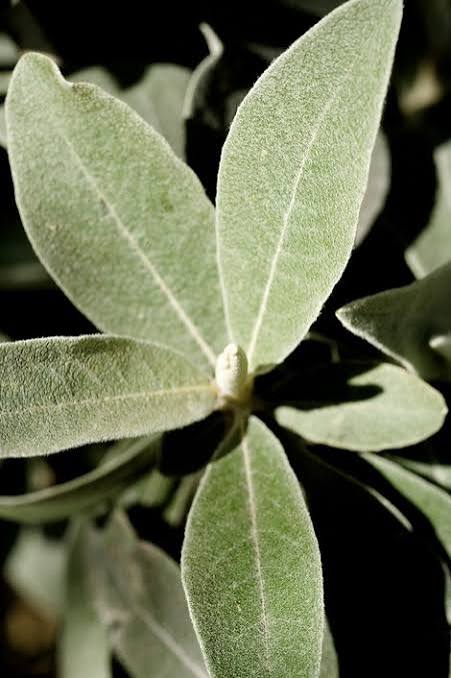
- Sage – Much like rosemary, this Salvia species is also great at turning ticks away due to its overwhelming scent. The scent of crushed leaves can be strong enough to turn away dogs, cats, and even some people!
These plants are great to use in landscaping borders around decks, walkways, pet runs, patios, and other areas to keep ticks away. These plants can also be used in containers near windows and doors to discourage ticks.
In Summary
Tick prevention is one of our many duties as dog parents. Let’s be sure that you choose a regiment that is safe for your dog and also effective against ticks. These two do not need to be mutually exclusive. Poisoning ticks with commercial pesticides also poisons the host, your dog. Over time this creates a cumulative toxic effect on your dog’s health and well-being. I recommend keeping you and your dog safe from the threat of tickborne illnesses by incorporating diligent habits into your daily routine and choosing a multimodal approach of natural, effective repellents.