
One of The Most Important Cues That You Will Teach.
A strong recall is essential for keeping your dog safe. There are many scenarios in which your dog’s life could be saved by a strong recall. Some examples include: You open the car door and your dog bolts and is about to run into traffic, your dog sees a rabbit and jerks the leash out of your hand while on a walk, your dog is loose and starts running towards an aggressive dog. As an ER vet I have seen countless instances when a recall could have saved a dog from serious injury or even death. So, as a responsible dog guardian, it’s up to make achieving a strong recall a non-negotiable.
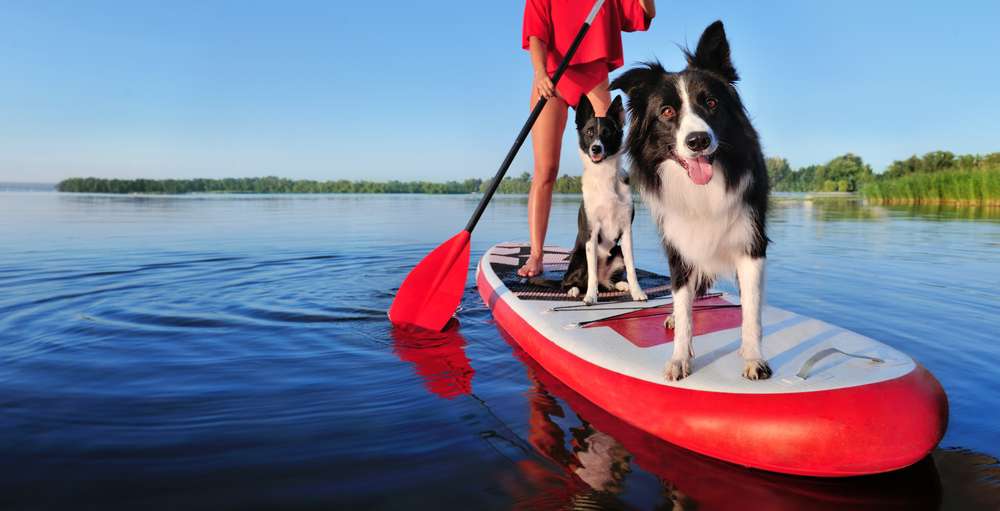
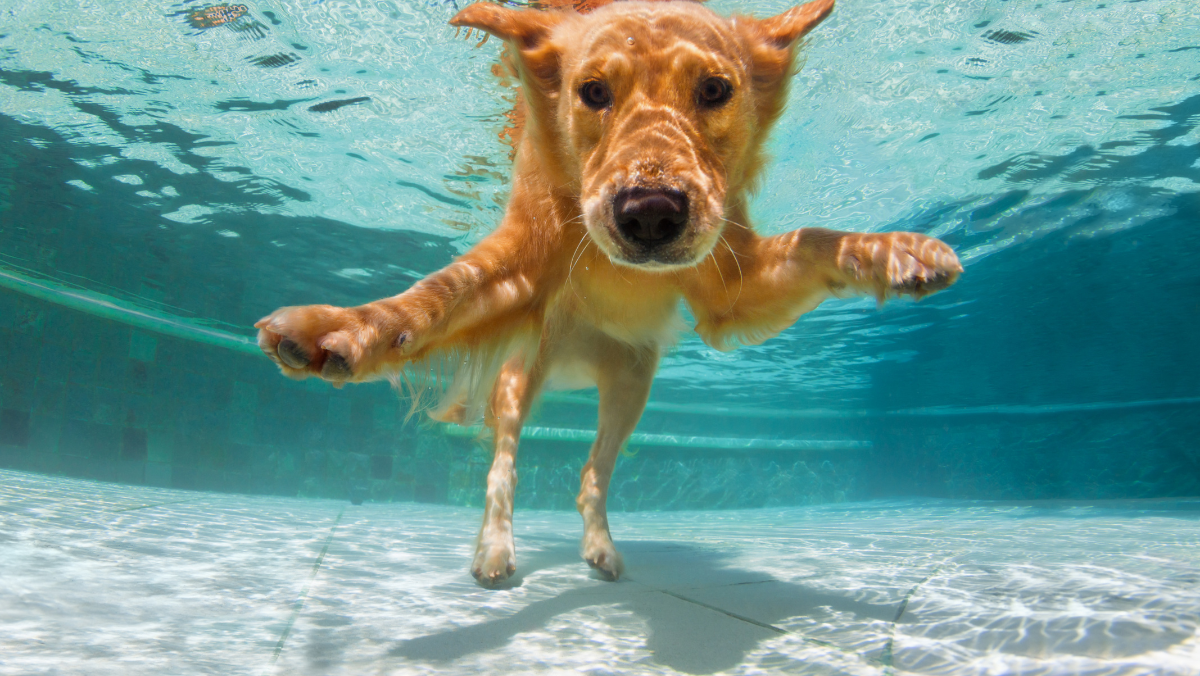
Not only does a reliable recall keep your dog safe, it also allows you to enjoy more activities together. Activities like walking, hiking on your favorite trail, swimming at the beach, or playing at the dog park. These activities can be dangerous without the ability to get your dog back when necessary.
STEP #1: Know Your Outcome
A reliable recall means that your dog will come:
- Immediately on the first cue
- Every single time
- Despite distractions
Step # 2: Get The Tools
Tools To Help Teach The Come Command
- HIGH-VALUE TRAINING TREATS
If your dog knows that their reward will be tasty, they will be much more likely to come. As more rewards are given for the success of this command, the more likely the behavior will be repeated. AKA positive reinforcement… - A LONG TRAINING LEASH
 This allows you to give your dog freedom while still staying in control.
 - TREAT BAG OR POUCH
You want one that attaches around your waist or clips on your belt. It may not be the fashion statement you were looking for but it is convenient and efficient during training.
Step #3: Choose Your Cue & Marking Words
Cue:
Most of us just use “come” as the cue for our dogs to come to us. However, feel free to choose whatever cue you want, just stay consistent once you choose it. Some other words I’ve heard used are: “Here”, “To me”, “Hurry”, “Front”, “Check in”, etc.
Marking word:
This is the word you will use to mark the wanted behavior. You can use, “Yes!”, “good”, “that’s it”, etc. Choose one and stick to it for all of your training. Another option is using a clicker as your marker.
Step #4: Learn The Action Plan
- Start with your dog right in front of you, facing you.
- Hold a treat in front of your dog’s nose.
- Say “COME!” ( or whichever cue you choose) in a happy, high-pitched voice and run backwards.
- Use a marking word such as “yes” or clicker as soon as your dog moves towards you and praise enthusiastically!
- Treat and celebrate when he reaches you.
Step #5: Add A Sit Front
- After your dog has done this successfully for a week then add a sit in front.
- Follow the steps above.
- Guide your pup to sit in front of you using the treat and command “sit”.
- Release with a word such as “o.k.” and celebrate, praise enthusiastically again!!!
- Repeat 5-10x daily.
Step # 6: Proofing
“Proofing” in dog training, means practicing a behavior in different environments and situations until your dog generalizes the desired behavior and can do it anywhere, even with distractions.
- Allow your dog to roam on a long training leash and allow him to be distracted then say “COME!” in a happy, high-pitched voice and run backward while guiding him with the leash if necessary.
- Add in some minor distractions- Don’t go from the house to the busy town. Slowly increase the level of distractions, reinforce the success then move up when your dog is ready.
- Remember… you always want to set your dog up for success. Reinforcing wanted behaviors is much easier than correcting unwanted behaviors.
Keys To Success
Be aware of your body language. If you bend forward, lean forward, or walk toward your dog it will likely cause him to stay away. Your voice may be saying “Come,” but to your dog, your body is saying “I’m warning you, don’t come any closer!”
Be intentional with your tone. Make sure you avoid an angry or stressed tone when giving the cue word. You want your dog to want to come to you every time.
Only use the cue word, “come” once. If you say the word 3 or 4 times he will learn he doesn’t have to come until the 3rd or 4th cue is said. If he doesn’t come the first time then go get him. Obviously if you are in a dire situation where you are trying to protect your dog from danger you will say it as many times as you need. Just don’t make it a habit of repeating the command when training.
Dogs like to chase, so when you call your dog, turn your body sideways, and move away from your dog as you call. Your movement away will draw your dog toward you, rather than blocking him from moving forward. You’ll have to concentrate on this at first because it’s not natural to turn your body and move away from your dog as you call him to come.
Also…Be careful how you pet your dogx when he arrives. Don’t bend over towards him or he will back away. Also, dogs don’t naturally love pats on the head. Make sure that your dog loves the petting you provide as reinforcement—otherwise, it won’t work.
If Your Dog Doesn’t Come When Called
Only use your “come” cue when you are willing to go and get your dog if he doesn’t come. Again, avoid repeatedly calling “Come” while your pup is enthralled in some major distraction.
Be certain that you are setting your dog up for success. If the recall is not yet reliable don’t call him while he’s enjoying a roll in some awesome-smelling deer poop.
If he’s close enough when refusing to come then go get him. Don’t punish him but do be persistent and interesting enough to draw his attention back onto you. Quietly walk up to him, and call, clap, whistle, and/or wave a piece of food (then put it back in your fancy treat pouch because you’re using it here only to get his attention). You’re not repeating the “come” cue here. Once you have his attention run backward so he comes to you, mark “yes” when he does and reward.
If he’s further away and not coming when called then find some way to get his attention onto you (this may mean flailing your arms and jumping around like a crazy person or throwing something near him but not at him, etc. I have a whistle that I have also trained as a cue for “come” so that I can use it instead of yelling if they are further away from me. I hate yelling… I’m actually terrible at it. I think I should probably invest in a voice coach. My friends make fun of me for it. I digress. O.K. Back on track… Be sure that you don’t use an angry, frustrated tone here. Once you get his attention immediately run in the opposite direction. When he starts moving towards you, mark it with “yes” and then stop and stand sideways or kneel with your arms open. Treat and celebrate once he gets to you (even if you’re pissed at him for not listening right away).
Conclusion
This is a cue that you should never stop practicing and reinforcing… Always check that your dog still remembers how to do it, reliably. My golden, Parker, has a great recall but I still practice regularly to make sure it stays strong. I will practice in the yard right before going on a beach hike where he will be off-lead. I do this because, although I’ve trained him well, I never forget that he is a Golden with strong hunting and retrieving instincts that could easily become more important than listening to me. My German Shepherd has a natural instinct to be by my side and to check in with me so I don’t worry as much with him. You know your dog and you will know how much work, practice and reinforcement you will need to gain your own reliable recall. Don’t settle for a mostly-reliable recall. That;’s not going to save your dog’s life when a heavy distraction is in play.
Like I said at the start… As an ER vet, I have seen too many traumatic injuries that could have been avoided with a strong recall. This one is important to get right. Put the time and effort in now to get the reliable recall that could save your dog later.