
For centuries, various cultures around the world have used mushrooms for medicinal purposes. Medicinal mushrooms are becoming more commonly available in the natural products marketplace as the evidence of their value to the immune system and to address various diseases, including cancer, become better understood.
Shitake Mushrooms
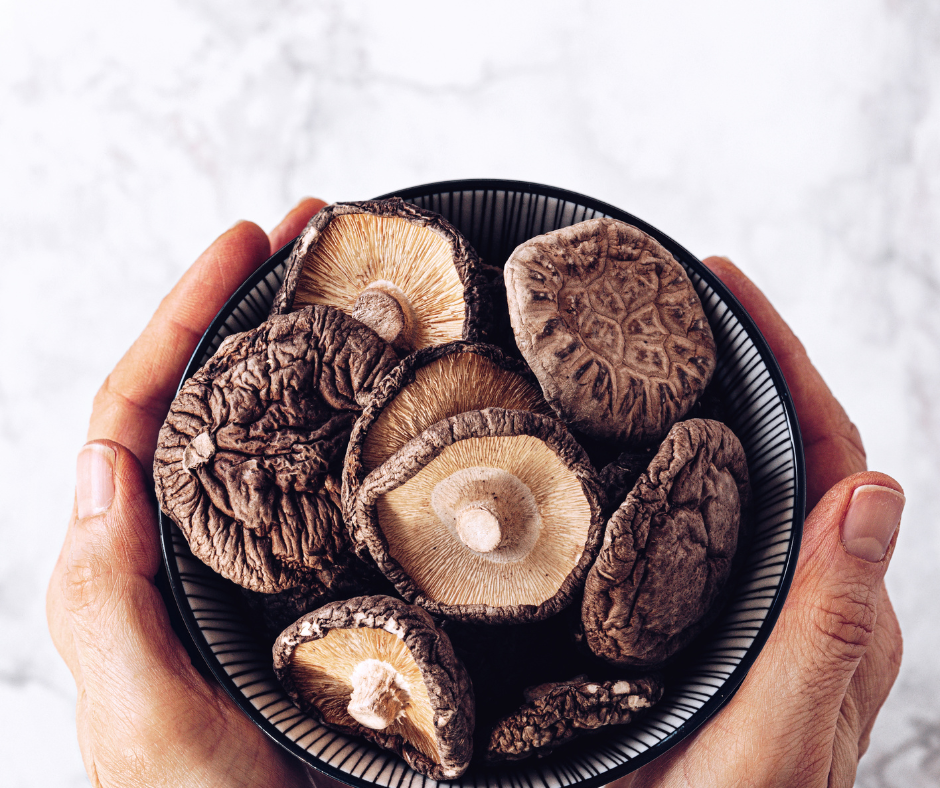
Shiitake mushrooms are one of the most popular mushrooms worldwide. In Chinese medicine, shiitake are thought to boost health and longevity and improve circulation. They are prized for their rich, savory taste and varied health benefits. Compounds in shiitake may help fight cancer, boost immunity, and support heart health.
Shiitake mushrooms have 30 different enzymes and 10 amino acids. They also have calcium, zinc, magnesium, iron, and selenium minerals. Shiitake mushrooms effects include:
- Reducing the side effects of chemotherapy and radiation
- Treating Cushing’s disease by improving immune response and helping regulate cortisol levels
- Decreasing bronchial inflammation
- Regulating urinary incontinence
- Reducing allergy symptoms
They are known for immunomodulating; increasing NK T cell activity, increasing interferon, antiviral, and liver support. Studies suggest that some of the bioactive compounds in shiitake may protect against cancer and inflammation
Turkey Tail Mushrooms
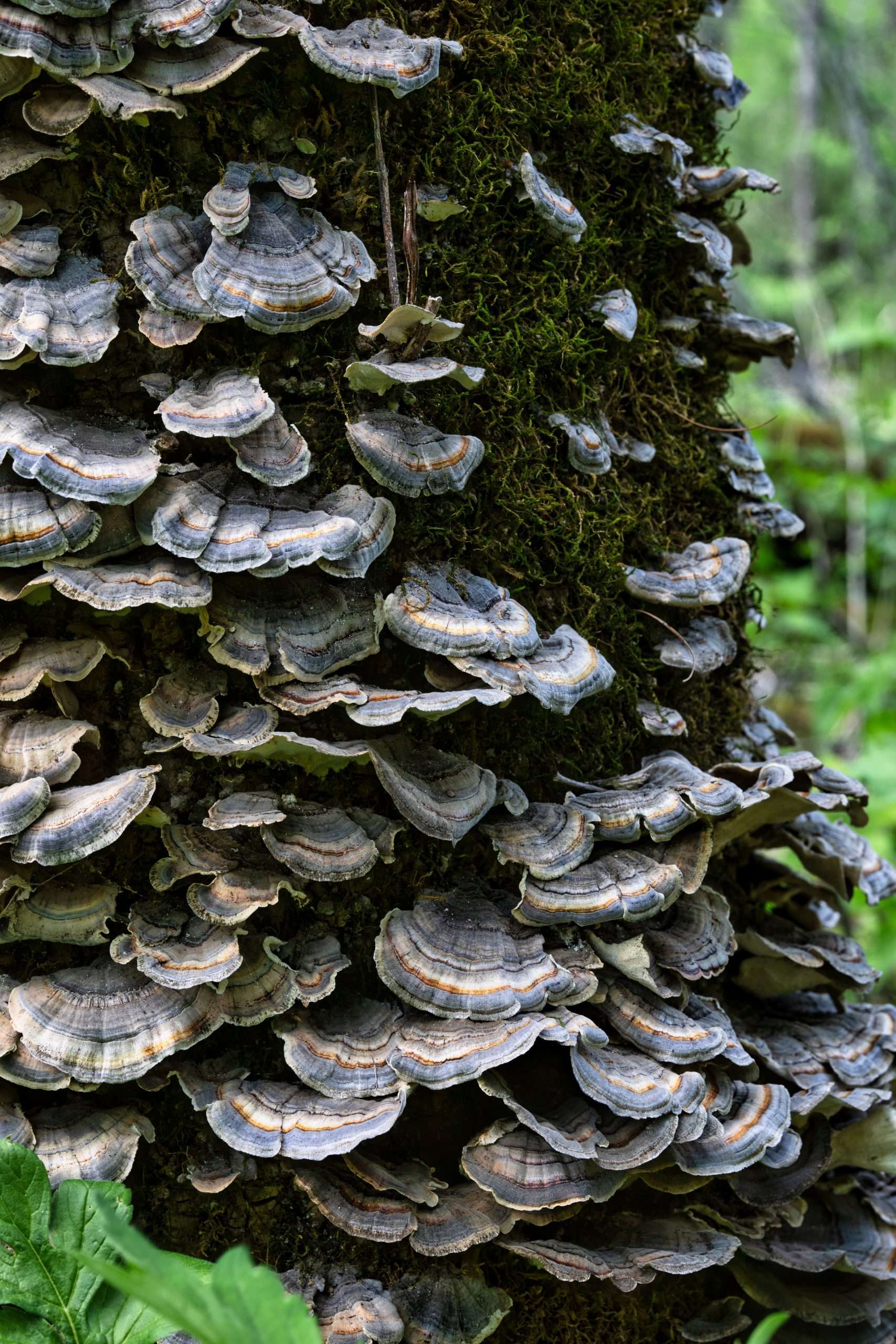
These have two main medicinal components: Polysaccharide-K (PSK) and polysaccharide-P (PSP). They form part of the mushroom’s cell wall and they give the cell its structure. Both PSK and PSP are called beta-D-glucans. These beta-glucans can bind directly to receptors in immune cells … and trigger immune changes that can increase the activity of some immune cells, or restore a healthy immune response.
Anti-Cancer Effects
A study done by the Veterinary School at the University of Penn State looked at turkey tail mushroom for dogs with hemangiosarcoma. This is unfortunately a common cancer found in dogs and the cancer that took my sweet Joey from me.. Dogs treated with a compound derived from the turkey tail mushroom had the longest survival times ever reported for dogs with the disease.
Antioxidant Effects
Turkey tail contains an impressive array of antioxidants, including phenols and flavonoids. One study detected over 35 different phenolic compounds in a sample of turkey tail mushroom extract. Antioxidants are compounds that help inhibit or reduce damage caused by oxidative stress. Oxidative stress results from an imbalance between antioxidants and unstable molecules known as free radicals. This can result in cellular damage and chronic inflammation
Phenol and flavonoid antioxidants promote immune system health by reducing inflammation and stimulating the release of protective compounds.
Immune Boosting Effects
The polysaccharopeptides that Turkey Tail contains are protein-bound polysaccharides (carbohydrates). They promote immune response by both activating and inhibiting specific types of immune cells and by suppressing inflammation.
May Enhance Gut Health
Keeping a healthy balance of beneficial bacteria in your gut is critical for maintaining a strong immune system. Your gut bacteria interact with immune cells and directly impact your immune response
Turkey tail contains prebiotics, which helps nourish these helpful bacteria. Research studies have found that treatment with turkey tail can have a similarly positive effect on the gut microbiome as treatment with prebiotic supplements.
Chaga Mushrooms
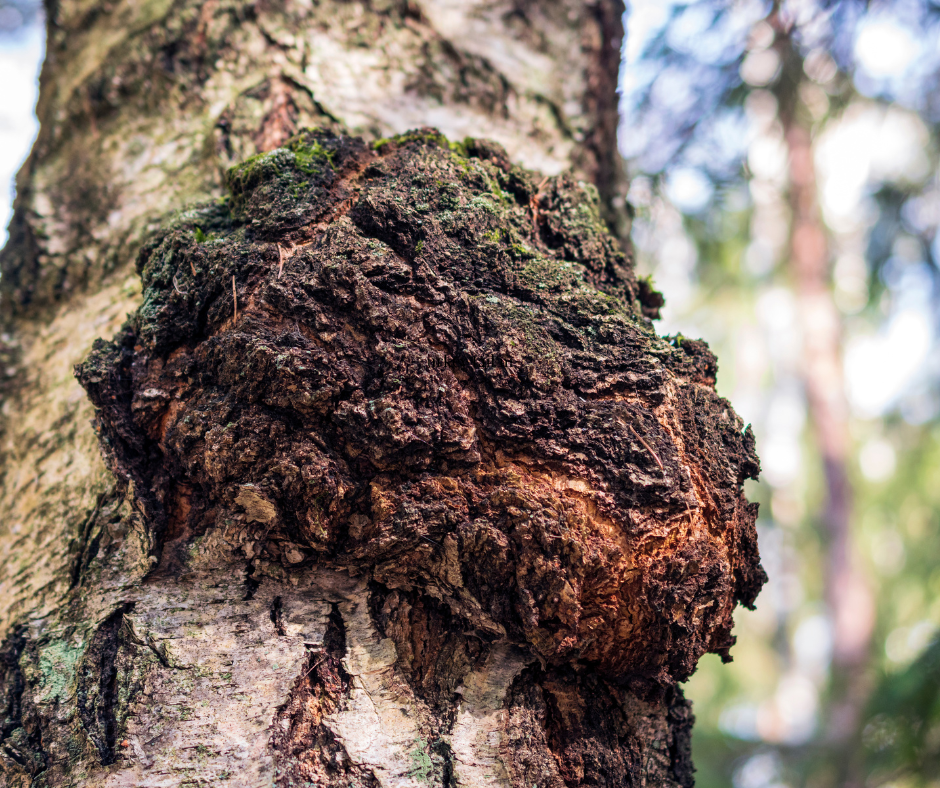
Chaga mushroom (Inonotus obliquus) is a type of fungus that grows mainly on the bark of birch trees in cold climates, such as Northern Europe, Siberia, Russia, Korea, Northern Canada, and Alaska Chaga is considered an adaptogen which is a biological response modifier that has a balancing effect on all systems within the body. Applications include antitumor (breast, lung, cervical, stomach, liver), antiviral, anti-tuberculosis, digestive, inflammatory bowel disease, diabetes, immune-mediated disease, ulcers, cardiotonic and liver supportive, and psoriasis.
The main benefit of Chaga mushrooms is their effect on the immune system. They not only boost the immune system but also control the immune system when it’s overactive. This is a great option for dogs with auto-immune diseases and allergies.
Anti-Cancer Properties
Chaga mushrooms have been credited with the low cancer rates in Siberia and areas of Asia where they were regularly used by the native people. It’s been proven effective for fighting several types of cancer, particularly breast and uterine cancers. Other recent studies show that chaga is effective for melanoma, liver, and colon cancers. They’ve also been shown to help reduce toxicity after traditional radiation or chemotherapy treatments.
Antioxidants
The outer portion of the Chaga mushroom (sclerotium) contains high amounts of polyphenols, which act as antioxidants. They protect against free radicals that may lead to liver and other organ damage.
Lion’s Mane Mushroom
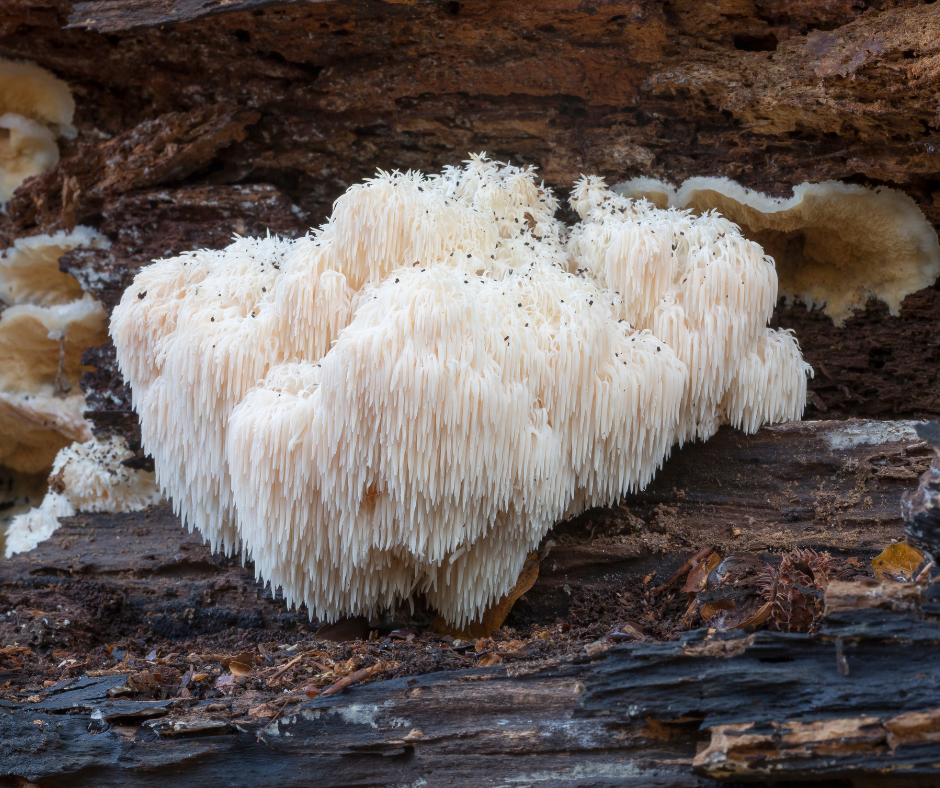
Lion’s Mane is known for its anti-cancer effects, immune modulation, nerve growth regeneration, antimicrobial, and Parkinson’s disease, used to treat atrophic gastritis.
Gastritis
Two major factors typically cause stomach ulcers: overgrowth of the bacteria H. pylori and damage to the mucous layer of the stomach that’s often due to long-term use of nonsteroidal anti-inflammatory drugs (NSAIDs). Lion’s mane extract may protect against the development of stomach ulcers by inhibiting the growth of H. pylori and protecting the stomach lining from damage.
Diabetes Management
Lion’s mane mushroom may be beneficial for diabetes management by improving blood sugar management and reducing some of the side effects of diabetes.
Anti- Cancer Properties
Some research suggests that the lion’s mane mushroom has cancer-fighting abilities thanks to several of its unique compounds. When Lion’s mane extract is mixed with human cancer cells in a test tube, they cause the cancer cells to die faster. This has been demonstrated with several types of cancer cells, including liver, colon, stomach, and blood cancer cells.
Reishi Mushrooms (Genus Ganoderma)
Known as The mushroom of immortality. Sounds good to me.
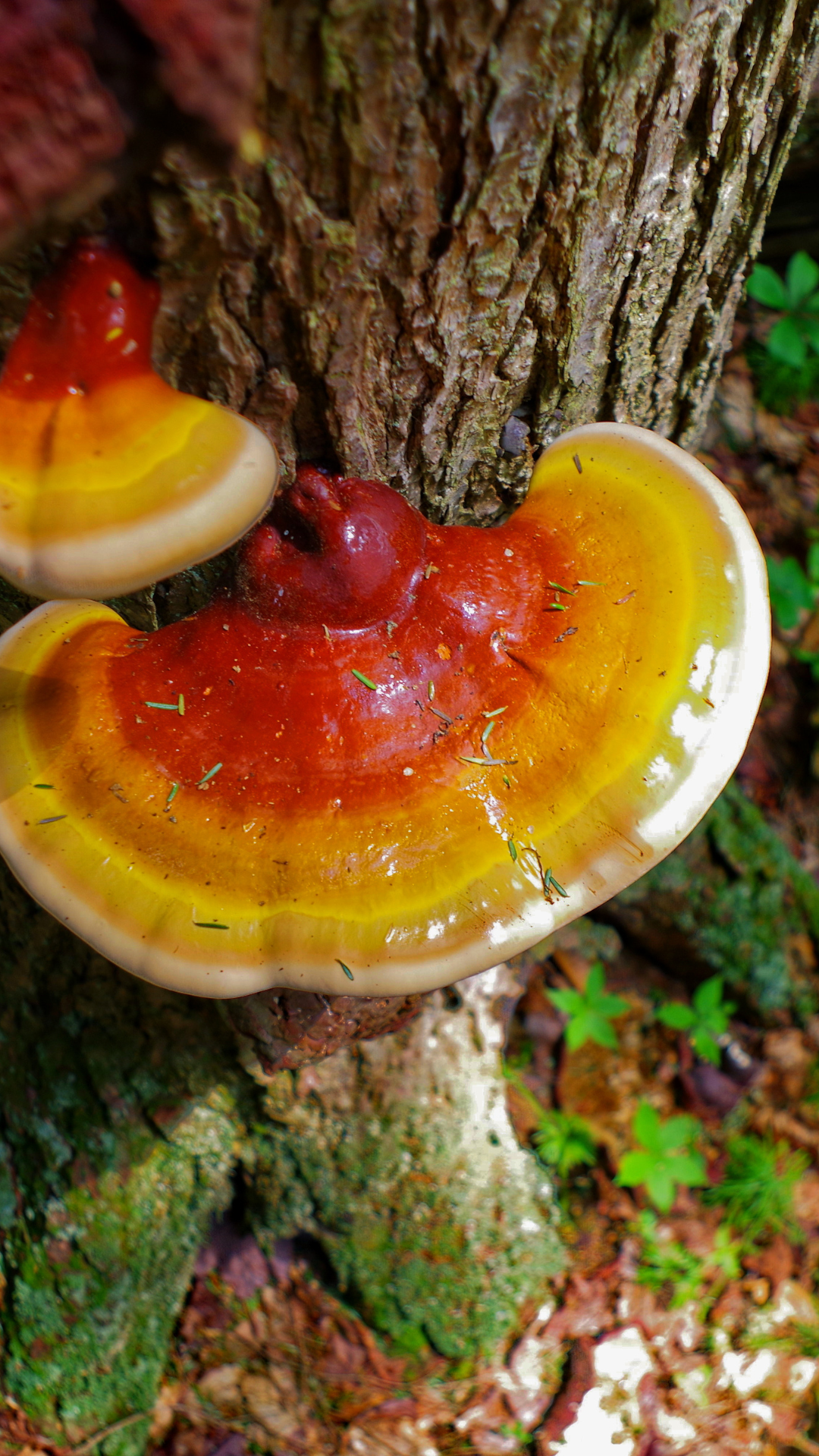
The reishi mushroom, also known as Ganoderma lucidum and lingzhi, is a fungus that grows in various hot and humid locations in Asia. Test-tube studies have shown that reishi can affect the genes in white blood cells, which are critical parts of your immune system. These older studies have also found that some forms of reishi may alter inflammation pathways in white blood cells. In another older study, the fungus improved the function of lymphocytes, which help fight infections and cancer.
Liver Support
Reishi mushrooms have antioxidant properties that help nourish, detoxify, and protect the liver. These antioxidant properties reduce the effects of free radicals that can affect liver function. Reishi can help renew liver cells, strengthen the liver, and improve the detox process.
In a study on rats at Taiwan’s China Medical University, reishi reversed liver fibrosis. This is the final stage of fatty liver disease and is usually not treatable.
Manage Diabetes
Research shows reishi mushrooms can help manage diabetes. Numerous studies on the broad spectrum of biological activity of mushrooms used in traditional Chinese medicine have been concluded. G. lucidum is one of the most famous medicinal mushrooms especially in Asia countries. A number of pharmacological studies carried out on this mushroom have proved its efficacy and therapeutic potential. Moreover, various studies emphasized that it has few or no side effects, which confirms the safety profile of this mushroom.
Another study showed reishi can prevent or slow kidney issues that can develop in diabetics. Polysachharides in reishi can also speed wound healing for diabetic patients.
Anti-cancer properties
Reishi is known for its potential cancer-fighting properties. While more studies are needed, several test-tube studies have demonstrated that Reishi mushrooms can contribute to the death of cancer cells. As mentioned earlier, Reishi has been shown to increase the activity of the body’s white blood cells, which help fight cancer. In fact, several test-tube studies have shown that it can lead to the death of cancer cells.
Several test-tube studies have shown that Reishi can lead to the death of cancer cells. Some research has also investigated if reishi could be beneficial for prostate and colorectal cancer due to its effects on inflammation and certain signaling pathways involved in cancer development.
One review indicated that the mushroom could benefit people with cancer due to its increasing activity of white blood cells when used alongside traditional treatment and thus improving quality of life.
How to Supplement Medicinal Mushrooms For Your Dog
You can make tea or broth using dried mushrooms or add powder to their food. Cook them thoroughly if you want to give your dog whole mushrooms. Raw mushrooms can be really hard for your dog to digest and they may be toxic. They’re safe when cooked.
If you buy mushroom supplements in powdered or capsule form, follow the directions on the package. If the product is for humans, assume the dosage instructions are for a 150 lb person. Adjust the amount according to your dog’s weight. Start with a lower dose and work up gradually to avoid any digestive upset.
I love the mushrooms products from CBD dog health: https://cbddoghealth.com/mushrooms-for-dogs/.