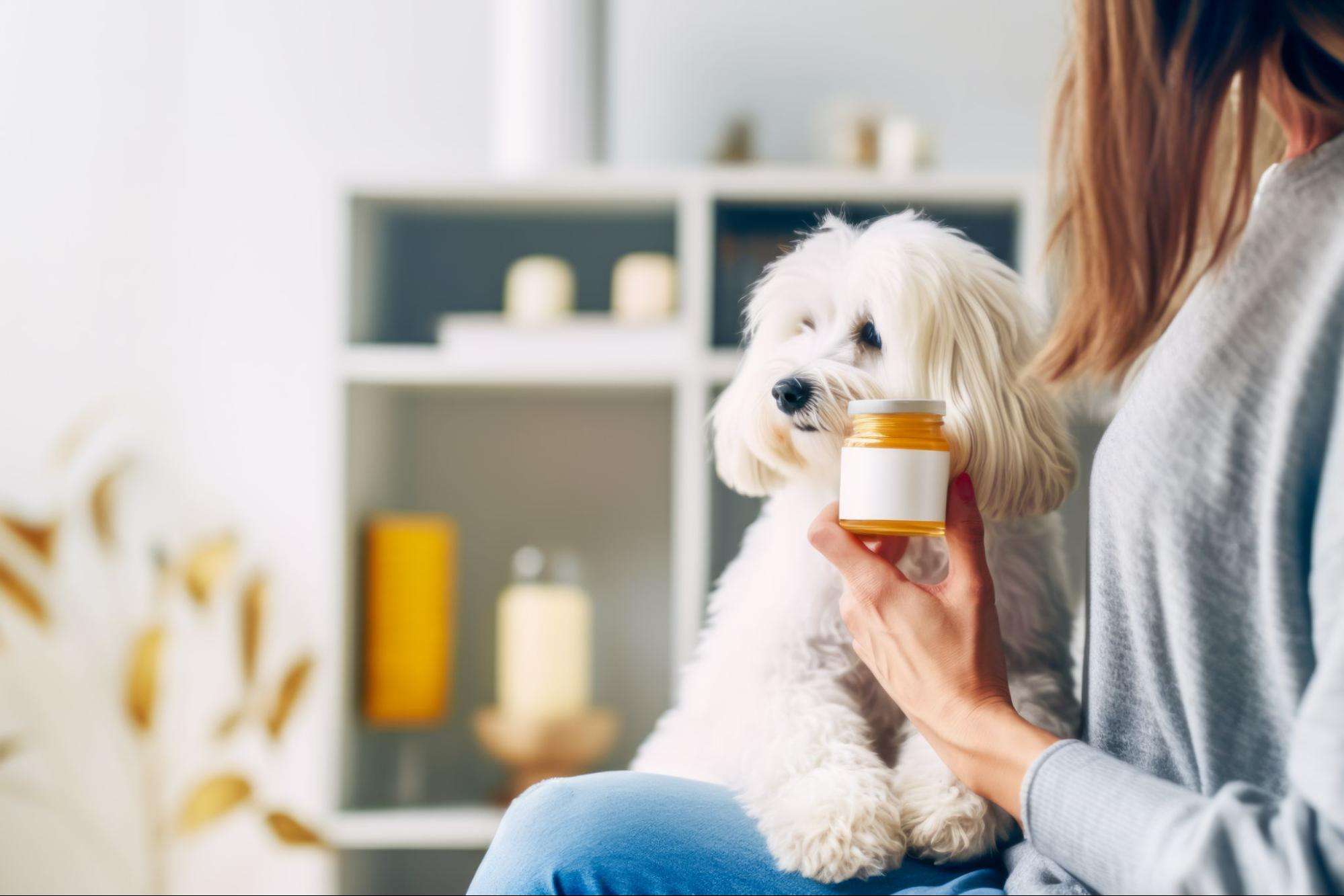

If you’ve been in canine circles for a while, you’ve likely heard the debate about whether coconut oil is a good choice for dogs. In this blog, I’ll share the information I’ve researched so you can make an informed decision for yourself. Personally, I have recommended coconut oil to my patients and have given it to my own dogs. I also use MCT oil myself. However, it’s crucial to consider your dog’s current health condition, start slowly, monitor closely, and seek the advice of your holistic or integrative veterinarian when adding any new food or supplement to their plan. Let’s dive in and explore coconut oil in more detail.
Opposing Opinions On Coconut Oil For Dogs
Opinions on coconut oil for dogs are divided. Proponents argue that coconut oil offers numerous health benefits, including improving skin and coat health, supporting digestion, and providing antimicrobial properties due to its high lauric acid content. There are many studies to support this. Supporters believe that, when used in moderation, it can be a valuable supplement for overall wellness. I agree, as I have seen it’s positive effects on my patients and my own dogs. On the other hand, critics caution against its use, pointing out that coconut oil is high in saturated fats, which could potentially lead to inflammation, disrupt gut health, and increase the risk of certain health issues. I was unable to find research to back this view up however research microbiologist Kiran Kirshnan from Microbiome Labs is said to be working on a study indicating that the long-chain triglycerides (LCTs) in coconut oil may trigger the release of more lipopolysaccharides (LPS). This debate highlights the importance of individualizing dietary decisions based on each dog’s unique health needs.
The Benefits of Coconut Oil for Dogs
Promotes Healthy Skin and Coat
Coconut oil is a natural moisturizer that can help improve the health and appearance of your dog’s skin and coat. If your dog struggles with dry, itchy skin, applying a small amount of coconut oil topically can provide relief.
Antibacterial Properties
Coconut oil, thanks to its high lauric acid content and medium-chain fatty acids, offers strong antimicrobial properties that can help combat a range of bacteria. Whether used topically or added to your dog’s diet, coconut oil serves as a natural and effective way to reduce bacterial presence and support overall health. A study by Bhardwaj V et al. (2023) found that coconut oil, particularly due to its lauric acid content, has antimicrobial properties effective against certain bacteria like Streptococcus, though less effective against others such as Escherichia coli.
Aids in Digestive Health
A study by Vecchiato, C.G., Pinna, C., et al. (2023) demonstrated that supplementing a home-cooked diet with virgin coconut oil (VCO) in dogs with chronic enteropathy led to improvements in clinical signs, changes in fecal fat excretion, moisture, and fatty acid composition. Although the fecal microbiota remained largely unchanged, the study found increased medium-chain fatty acids (MCFAs) in the dogs’ feces, suggesting that VCO may aid in managing digestive issues. These findings align with previous research indicating that VCO’s MCTs can enhance digestion and nutrient absorption, potentially improving growth, weight gain, and even bone structure. Further research is needed to fully understand how VCO supports nutrient absorption in dogs.
Boosts the Immune System
The lauric acid in coconut oil not only helps with skin health but also supports the immune system. Its antibacterial, antiviral, and antifungal properties can aid in warding off infections, helping to keep your dog healthier in the long run.
Supports Weight Management
Surprisingly, coconut oil can be a helpful supplement for dogs needing to manage their weight. The MCTs in coconut oil can increase metabolism, providing a quick source of energy and potentially aiding in weight loss or maintenance when used in the correct amounts.
Enhances Cognitive Function
Coconut oil is sometimes recommended for senior dogs as it provides an alternative energy source for the brain. Some studies suggest that the MCTs in coconut oil can support cognitive function, making it beneficial for older dogs experiencing cognitive decline or canine cognitive dysfunction syndrome (CCDS).
Potential To Combat Cancer
Coconut oil may help combat cancer due to its medium-chain triglycerides (MCTs), particularly lauric acid, which can support ketosis—a metabolic state that may inhibit cancer cell growth by depriving them of glucose. Its anti-inflammatory and antioxidant properties can reduce inflammation and oxidative stress, potentially lowering cancer risks. Additionally, coconut oil boosts the immune system, helping the body to fight off harmful pathogens and abnormal cells. A recent study by Ramya V et al. (2022) found that virgin coconut oil (VCO) and its major component, lauric acid, help maintain cellular health by reducing oxidative stress and inflammation, particularly in neural cells.
Can Reduce The Number and Severity of Seizures
Ketones can cross the blood-brain barrier and provide an alternative fuel for the brain. This is particularly useful in conditions like epilepsy, as ketones have been shown to reduce the frequency and severity of seizures, making MCT oil a popular supplement in ketogenic diets.
Cardiac Health
Coconut oil may offer potential benefits for cardiovascular health in dogs. Some studies suggest that its medium-chain triglycerides (MCTs) can support healthy cholesterol levels and help regulate blood pressure, contributing to overall heart health. Additionally, coconut oil’s role in glycemic control could be beneficial in managing cardiovascular diseases, highlighting its unique properties compared to other dietary fats.
May Help Manage Diabetes
Virgin coconut oil (VCO) may help manage diabetes by reducing oxidative damage in key organs, potentially improving overall health in diabetic pets. A study by Đurašević S et al. (2019) found that daily supplementation with VCO in diabetic rats improved health markers such as body mass, food and water intake, and reduced oxidative stress in the liver, kidneys, and heart. VCO showed tissue-specific effects, suggesting it may offer organ-targeted protection against diabetes-induced oxidative stress.
The Limitations of Coconut Oil for Dogs
High-Calorie Content:
While coconut oil has its benefits, it’s calorie-dense, with around 120 calories per tablespoon. If not carefully measured, adding coconut oil to your dog’s diet can lead to unwanted weight gain. To avoid this, make sure to adjust their regular food intake accordingly when incorporating coconut oil as a supplement.
Possible Digestive Upset:
Although coconut oil can aid digestion, adding too much too quickly can have the opposite effect, leading to gastrointestinal upset. Symptoms like diarrhea, vomiting, or greasy stools may occur if coconut oil is introduced too rapidly. It’s best to start with small amounts and gradually increase to see how your dog’s digestive system reacts. If your dog has known gut issues then I would proceed with caution and follow the guidance of your holistic vet.
Potential Allergies:
Like any new food or supplement, there’s a possibility that some dogs may be allergic to coconut oil. Signs of an allergy can include itching, redness, or gastrointestinal discomfort. When introducing coconut oil to your dog’s diet or skin care routine, monitor them closely for any adverse reactions. However, I can’t say that I have ever had a patient that showed an allergy to coconut oil.
How to Use Coconut Oil Safely for Your Dog
Here are a few tips for safe usage:
- Start Slow: Introduce coconut oil gradually into your dog’s diet. Begin with a small amount (about 1/4 teaspoon for small dogs and 1 teaspoon for larger dogs) and slowly increase it over a few weeks, monitoring your dog’s reaction.
- Quality Matters: Always choose high-quality, organic, virgin coconut oil. This ensures that you’re using a product free of harmful additives and chemicals.
- Topical Use: If you’re using coconut oil for skin or coat health, apply a small amount directly to the affected area. Make sure your dog doesn’t ingest too much, as consuming large amounts can lead to digestive issues.
- Adjust Calories: Keep an eye on your dog’s overall calorie intake. Since coconut oil is high in calories, you may need to adjust their regular food portions to prevent weight gain.
The Difference Between MCT Oil and Virgin Coconut Oil
MCT oil contains about 98% medium-chain fats, primarily lauric, caprylic, and capric acids. It’s an excellent choice for lipid-sensitive dogs that have trouble digesting fats, as it is easily metabolized. MCT oil also supports brain health, as it is quickly converted into ketones, which can cross the blood-brain barrier and provide an immediate energy source for the brain. It can help improve cognitive function and may even assist with seizure disorders.
In contrast, virgin coconut oil contains around 65% medium-chain fats and has a higher lauric acid content, giving it powerful antimicrobial properties. This helps fight off bacteria and supports overall immune health.
While MCT oil is ideal for dogs that need a more easily digestible fat and brain support, virgin coconut oil offers additional antimicrobial benefits due to its unique fatty acid profile.
The Bottom Line
Coconut oil can be a very beneficial supplement for dogs, supporting skin health, digestion, immune function, weight management, and even cognitive health. As with any food or supplement that you add to your dog’s diet, it is imperative to monitor your own dog’s response. Each dog is an individual and should be treated as such.
By introducing coconut oil slowly and monitoring your dog’s reaction, you can help them enjoy the benefits while minimizing the risks. Remember, every dog is unique, so consult with your holistic veterinarian to determine if coconut oil is the right addition to your pet’s health routine.
If you have any experiences or questions about using coconut oil for your dog, feel free to share in the comments below
Frequently Asked Questions
-
Since coconut oil is a saturated fat, does it have the potential to cause heart disease in dogs?
Coconut oil is a saturated fat, and we’ve often been told that saturated fats are bad for both us and our dogs. However, the artery-clogging saturated fats are typically long-chain fats, whereas coconut oil is composed of medium-chain saturated fats. This difference means coconut oil goes straight to the liver, where it is converted into ketones and releases energy. Additionally, we don’t commonly see atherosclerosis and hardening of the arteries in dogs as we do in people. Dogs can generally handle higher-fat diets without an increased risk of cardiac disease.
- Will Coconut oil inflame the pancreas?Most fats in your dog’s diet are long-chain triglycerides (LCTs), which take longer to digest because of their complex structure. The pancreas has to work harder to release enzymes to break them down. After digestion, LCTs go through a complicated journey in the body, eventually ending up in the bloodstream where they’re mostly stored as fat. This process can put a lot of stress on the pancreas, potentially leading to conditions like pancreatitis. On the other hand, medium-chain triglycerides (MCTs) are much easier to digest. They go straight to the liver for quick energy, making them less likely to cause pancreatitis in dogs. Therefore, when choosing a coconut oil for a dog prone to pancreatitis, it is recommended to choose an MCT oil.
- How much coconut oil should I give my dog?
It’s best to start with a small amount, about 1/4 teaspoon for small dogs and 1 teaspoon for larger dogs, and gradually increase the dosage to avoid digestive upset. The ideal amount will depend on your dog’s size, health, and tolerance.
- Can coconut oil cause any side effects in dogs?
Yes, while coconut oil is generally safe, introducing it too quickly or in large amounts can cause digestive issues, such as diarrhea or greasy stools. It’s also high in calories, so overuse can lead to weight gain. MCT oil is preferred to virgin coconut oil in dogs prone to pancreatitis or those that have fat sensitivities.
- Is coconut oil safe to use on my dog’s skin?
Yes, coconut oil is safe to use topically and can help soothe dry, itchy skin and minor irritations. However, some dogs may try to lick it off, so monitor your dog after application to ensure they don’t ingest too much.
- Should I use virgin coconut oil or MCT oil for my dog?
Virgin coconut oil contains around 65% medium-chain fats and has antimicrobial properties due to its higher lauric acid content, making it great for skin and immune health. MCT oil, with a higher concentration of medium-chain fats (about 98%), is more easily converted into energy and may be better for dogs sensitive to fats, like those prone to pancreatitis. MCT oil is more effective for cognitive support and seizure disorders. The choice depends on your dog’s specific needs.
Registration for The Dog Mom Society is open!
In our community you’ll gain clarity on all things canine nutrition and holistic wellness.
Together, we’ll navigate this journey to enhance your dog’s health, happiness, and well-being.
And you’ll gain the confidence that you’re doing right by your dog every step of the way!