
If your dog hides under the bed at the sound of fireworks or trembles during thunderstorms, you’re not alone. Fear and anxiety in dogs are incredibly common—especially around the 4th of July, when our pups are faced with loud noises, bright lights, and unpredictable chaos.
But here’s the good news: you don’t have to turn to sedatives or harsh meds to help your dog feel safe. There are gentle, effective, and natural ways to support your dog’s nervous system—so they feel calmer, more grounded, and more in control.
In this guide, I’ll walk you through some of my favorite holistic strategies that I’ve used and recommended—plus simple dosing suggestions to get you started safely.
1. Adaptogens for Long-Term Nervous System Support
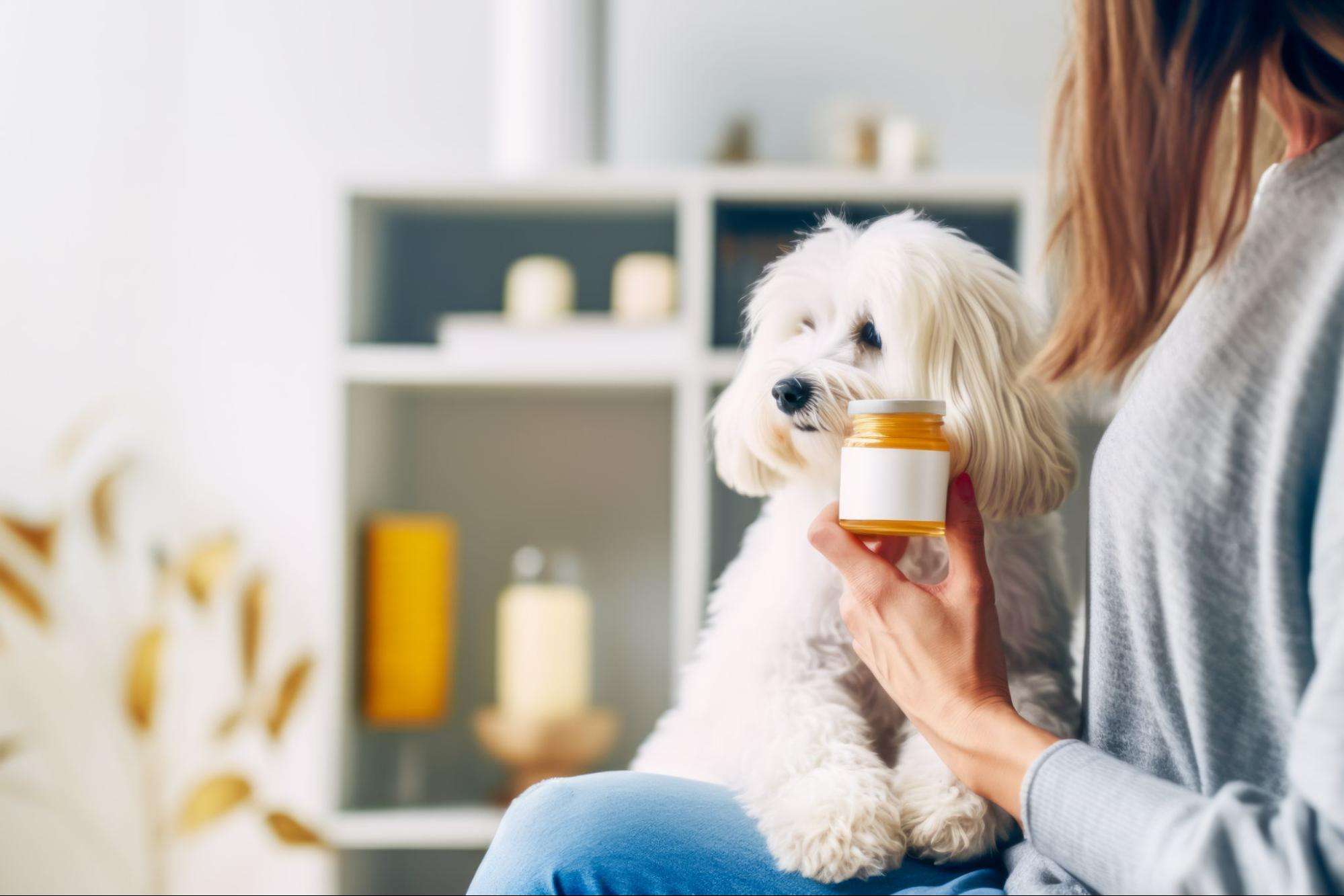
Adaptogens are herbs that help the body adapt to stress, improving balance in the nervous system over time. They don’t sedate your dog—they help build resilience from the inside out.
Ashwagandha (Withania somnifera)
- Dose: 5–10 mg per lb of body weight daily, with food
- A 30-lb dog could receive ~150–300 mg daily
- Use a pet-safe extract or powdered root from a trusted brand
Lion’s Mane Mushroom (Hericium erinaceus)
- Dose: 100–500 mg per 25 lbs, 1–2x daily
- Look for hot-water-extracted, organic products with high beta-glucan content
Best results come with consistent use for 2–4 weeks before stressful events.

2. Rescue Remedy (Flower Essences)
If you’ve ever used Rescue Remedy for yourself, you know how subtly powerful it can be. This gentle blend of flower essences helps balance emotional states and promote calm.
- Dose: 3–5 drops directly on gums, ears, or in water
- Repeat every 15–30 minutes during acute stress
- For general anxiety, use 2–3 times per day
It’s completely safe for all ages, non-sedating, and works well with other natural supports.
3. Tellington T-Touch and Nervous System Massage
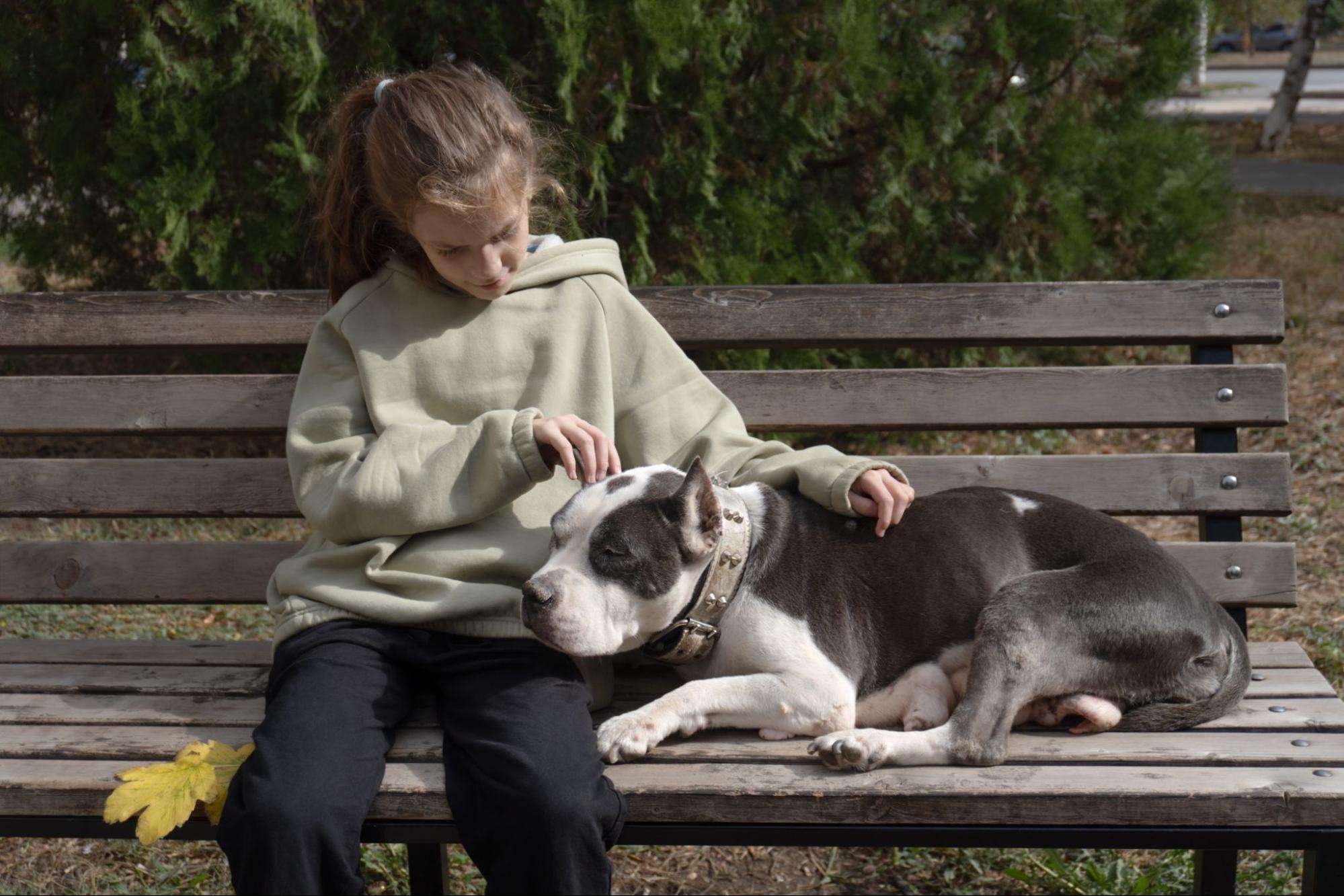
Sometimes, what your dog needs most isn’t a supplement—it’s you.
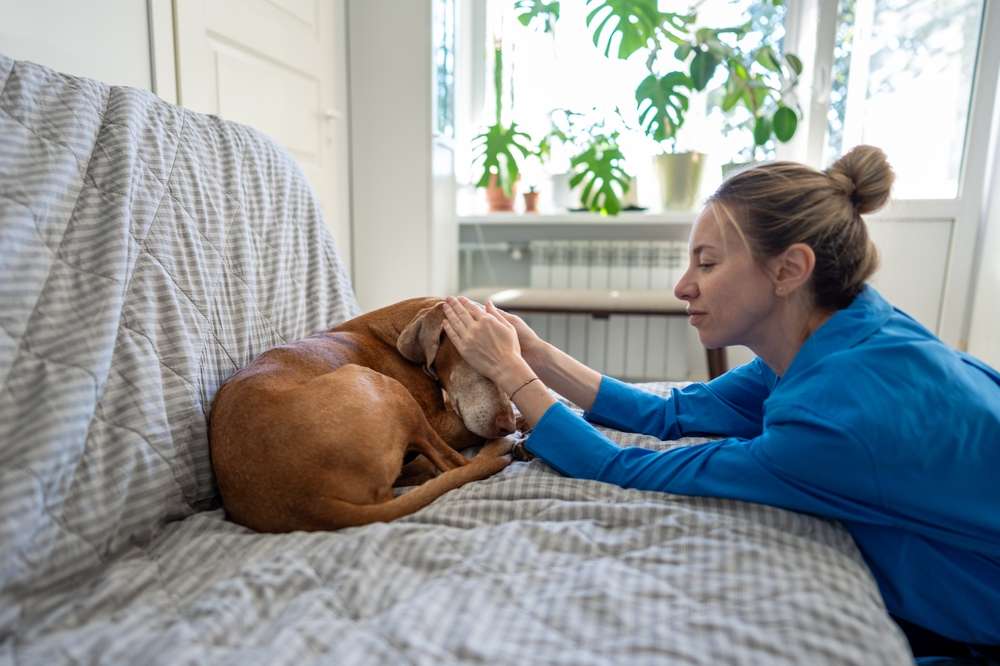
Tellington T-Touch, developed by Linda Tellington-Jones, is a powerful hands-on approach to calming the nervous system through gentle, rhythmic touch.
How to begin:
- Use light, circular movements the size of a quarter
- Start with a few gentle circles on less-sensitive areas like the shoulder
- Focus on calming zones: chest, base of tail, neck, ears
- Breathe slowly—your dog mirrors your energy
Five to ten minutes daily can create lasting shifts in anxiety levels. You can also enhance the experience with soft music or a light diffusion of calming essential oils like lavender.
4. Omega-3s for Brain and Mood Balance
Essential fatty acids, especially EPA and DHA, reduce inflammation, support serotonin production, and improve brain function.
Fish Oil (EPA/DHA)
- Dose for behavior: 45–70 mg per lb of body weight daily (under veterinary guidance)
- Give with food to avoid stomach upset
- Store in the fridge to maintain freshness
I’ve written a full blog on Omega-3s for dogs—check it out for brand suggestions and deeper science.

5. Calming Herbs and Nutrients for Extra Support
For dogs who need additional help—whether daily or during fireworks, vet visits, or travel—these natural tools can offer deeper calm.
CBD Oil (Full Spectrum, THC-Free)
- Dose: 0.25–0.5 mg per lb, 1–2 times daily
- Start low and observe—look for calm without sedation
L-theanine
- Dose: 5–10 mg per kg of body weight
- A 30-lb dog could receive about 70–135 mg
- Can be used daily or during specific anxiety triggers
Valerian Root
- Dose: 1–5 mg per lb, up to twice daily
- Can be sedating, so best given in the evening
Chamomile
- Tea: 1 tsp to 1 tbsp cooled tea per 10 lbs
- Powder or capsule: 100–200 mg per 25 lbs
- Avoid in dogs with ragweed allergies

Final Thoughts
Calming your dog’s nervous system is about trust, connection, and consistent care. You don’t have to do everything at once—start with one or two approaches that feel manageable and observe what works best for your dog.
Above all, remember: your calm is contagious. When you show up with softness and presence, your dog feels that—and that alone can be deeply healing.
These remedies don’t just mask symptoms—they help restore balance to the nervous system over time. Every dog is different, so you may need to try a few to see what resonates best.
Start slowly, observe your dog’s response, and when in doubt—reach out to a holistic vet or practitioner trained in canine herbal medicine to help guide you.