
Introduction
When it comes to nourishing our four-legged companions, we all want what’s best for them. Our dogs are more than just pets; they’re cherished members of our families, and their health and vitality are of paramount importance. In recent years, there has been a growing awareness about the significance of a well-balanced diet for dogs, and the debate surrounding their optimal food choices has never been more intense. While dry kibble has long been a staple in many dog households, it’s time to delve deeper into the world of canine nutrition and explore why it might not be the best choice for maximizing your furry friend’s vitality. In this blog, we’ll unravel the reasons why dry kibble falls short in meeting your dog’s nutritional needs and discover alternative options that can help your canine companion thrive.
The Problems with Kibble
1. Feed Grade Ingredients
Pet feeds are allowed to contain diseased animal material and meat ingredients sourced from non-slaughtered animals.
The FDA says, “Processed pet food, including pet food consisting of material from diseased animals or animals which have died otherwise than by slaughter, goes through high heat processing, which is designed to kill harmful bacteria…” Rendering is one of the processing methods of sanitizing otherwise putrid, inedible animal by-products and animal waste. Many ingredients in pet food today are from rendering plants.
2. Highly Processed Ingredients
Many of the nutrients in kibble are lost during the high-heat process, so flavor enhancers and synthetic vitamins and minerals must be added to replace what has been lost. Digestive enzymes also no longer exist once the food undergoes the extrusion process.
3. Carcinogens
A class of chemicals called aromatic amines are produced through heating of natural precursors of meat, the creatine, amino acids, and sugars during cooking at high temperatures.
4. High-Starch Carbohydrates
Grains and other high-starch carbohydrates like high-glycemic, genetically engineered corn, wheat, rice, soy, or potato are in the majority of kibble. Even grain-free kibble can contain high-levels of starchy carbs, including legumes, peas, and lentils. This creates metabolically stressful insulin, glucagon, and cortisol spikes throughout the day. The high-carb content in kibble also contributes to the growing epidemic of pet obesity.
5. Lack of Moisture
Dogs are designed to eat a high moisture diet of around 70%, but dry kibble contains only 12%. Eating only dry kibble leads to a chronic state of dehydration. Chronic dehydration then leads to continuous organ stress leading to kidney, endocrine, and other chronic disease states. It also manifests as dry, flaky skin and unhealthy hair coat.
6. Contains Mycotoxins
Here is one study and one article regarding mycotoxins found in dry kibble.
Also, storage mites can multiply rapidly in dry food. Pets can develop a hypersensitivity to storage mites, resulting in itchy inflamed skin, hair loss and ear infections. This is why I see many of my patient’s skin allergy symptoms disappear once they are taken off dry kibble.
7. Added Colors and Chemicals
Dry kibble often contains unhealthy food dyes to make the color of the food more appealing to consumers.
It is obvious that kibble is not the healthiest choice for your dog.
The only benefits of kibble are convenience and cost. I understand that not every dog parent can afford the high quality commercial raw or cooked diets on the market. I also get that many do not have time to formulate their own raw diets. However, there are ways that you can greatly increase your dog’s nutritional value without breaking the bank or spending hours in the kitchen.
The Optimal Diet For Dogs
This includes fresh whole foods made from human-grade ingredients. They should be grass-fed, free-range, and organic, if possible. It also includes high protein, healthy fats, high moisture (around 70%), and a healthy balance of other nutrients.
- Raw Diets – A great way to achieve an optimal balanced diet is with a commercial raw diet—this is what I feed my dogs. The least expensive way to do this, unless you formulate your own, is to find a distributor near you. If cost is not an issue, then many chain or boutique pet food stores will carry raw diets that are either frozen or freeze-dried.
- Commercial Cooked Diet – There are many on the market today, and they can be ordered online, or from a local delivery service. Boutique and chain stores are also carrying these types of diets. A commercial cooked diet can be quite expensive, especially for large breed dogs.
- Dehydrated Human-Grade Diets – This is another great option, but it can be expensive. I use this type of diet when I am traveling with my dogs.
- Home-Cooked Protein, Then Add a Balanced Base – There are a few dog food companies that carry these types of base foods. They are lower in cost than foods that are complete with the protein source.
- Air-Dried or Freeze-Dried Foods – These processes maintain nutrient content, unlike the extrusion process that is required to form dry kibble.
- Finally, if you do choose to feed dry food:
- Add fresh foods regularly such as plain meats, vegetables, and fruits. Vegetables and fruits should be 10% or less of the total diet. Check out my articles on feeding fruits and feeding vegetables safely to your dog.
- Add raw freeze-dried toppers to each meal.
- Choose a high- quality omega-3 supplement. Look for a supplement that uses either green lipped mussel, sardine, or krill as the source. Or, you can feed your dog sardines in water (no salt added) twice, weekly.
- Supply digestive enzymes. Dry kibble lacks digestive enzymes due to high heat processing. This leads to gassy dogs with irregular stools and occasional diarrhea.
- Give a high-quality, soil-based probiotic or raw goat’s milk daily. My recent blog post explains how to choose a probiotic for your dog.
- Look for dog food brands that use human grade meats. These contain much more specific meat ingredients rather than generically named meat sources.
- Look for a dry food that:
- Is not extruded.
- Doesn’t contain artificial preservative such as BHA, BHT, or ethoxyquin. There have been reports indicating that BHA and BHT may have carcinogenic properties. Ethoxyquin, which functions as both a preservative and pesticide, has been linked to adverse effects on the liver and toxic effects on both living cells and genetic material. .
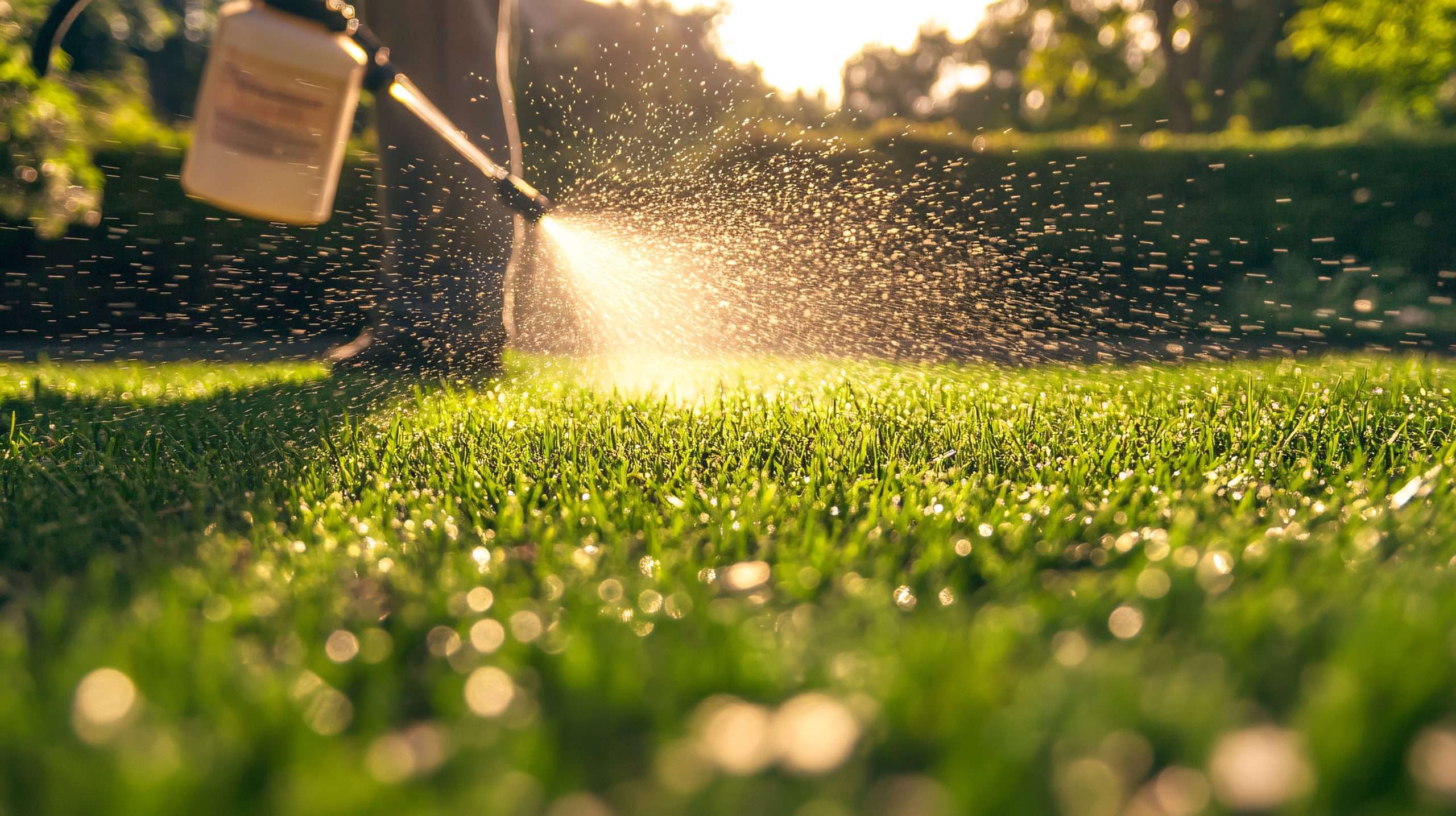
- Is free of GMO Grains- Corn, soy, and wheat are typically genetically modified (GMO) crops. GMO grains pose a particular concern because they are often treated with pesticides like Roundup, resulting in elevated levels of glyphosate, a substance classified as a “probable carcinogen” by the WHO. Glyphosate is associated not only with cancer but also with the development of kidney and liver diseases, gastrointestinal issues, and seizures.
- Doesn’t contain Legumes including peas, lentils, and beans. These ingredients are frequently incorporated into kibble as cost-effective protein sources and are commonly found in “grain-free” dog foods as substitutes for grains. Legume crops are subject to glyphosate spraying just before harvesting, making them even more laden with toxic residues than grains. Moreover, legumes contain high levels of lectins, which can disrupt digestion and contribute to conditions such as leaky gut syndrome, allergies, and inflammatory bowel disease.
Benefits of a Fresh Diet
With a whole food, minimally-processed diet, your dog will experience:
- A leaner, more muscular build. Nearly 60% of dogs are overweight or obese based on body condition scoring, which leads to a number of related conditions.
- Skin & coat improvements.
- Cleaner teeth & fresher breath
- Less odors
- Vibrant, calm energy
Make The Best Choice Possible When It Comes To Your Dog’s Nutrition
The most important thing is that you’re choosing what keeps your dog happy and healthy, while also remaining within your budget. Switching your dog to a fresh diet does not have to be an all-or-nothing approach. Adding even small amounts of fresh food to your dog’s diet has been shown to dramatically improve overall health.