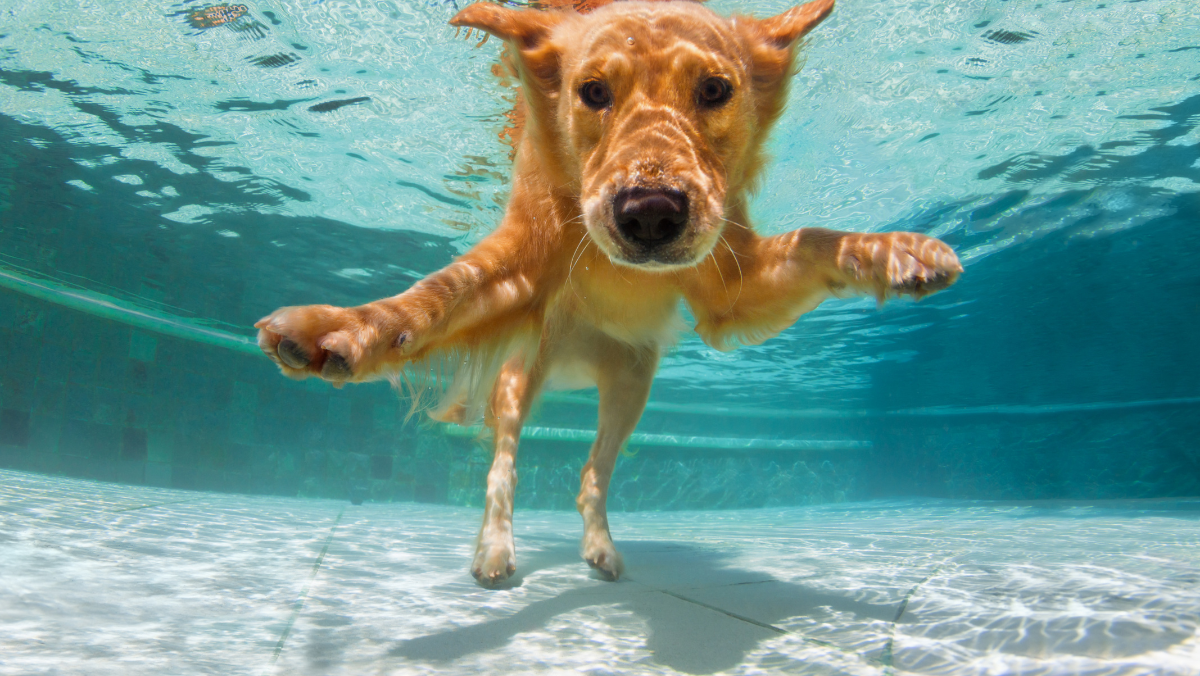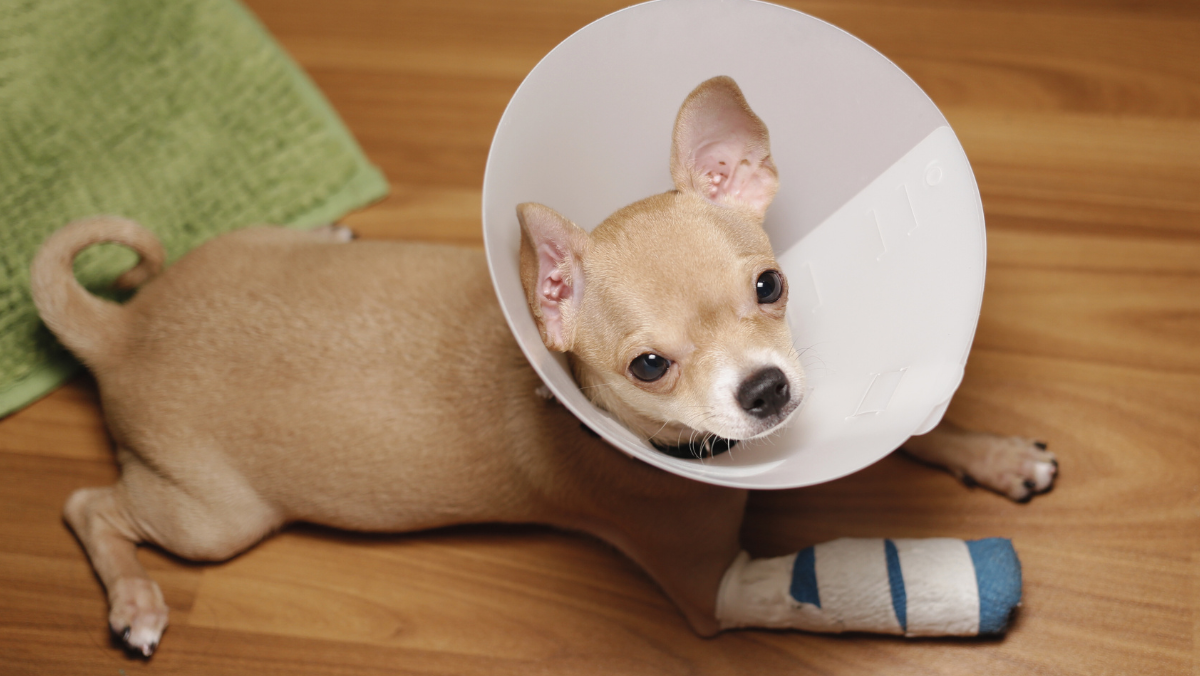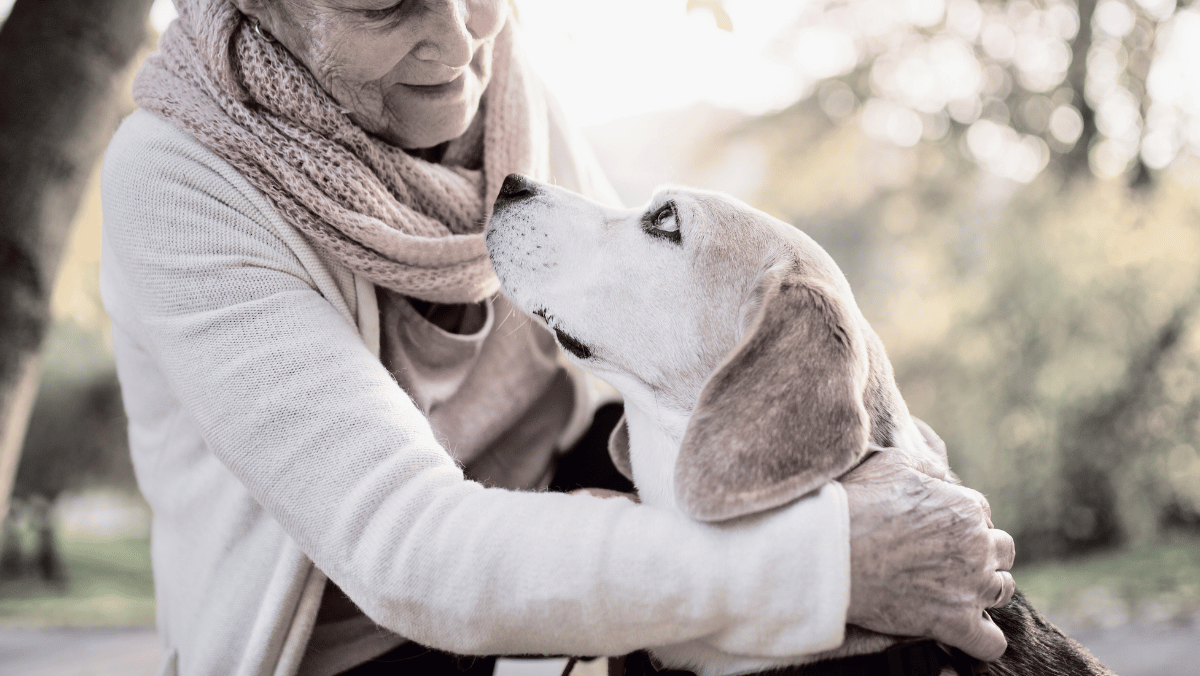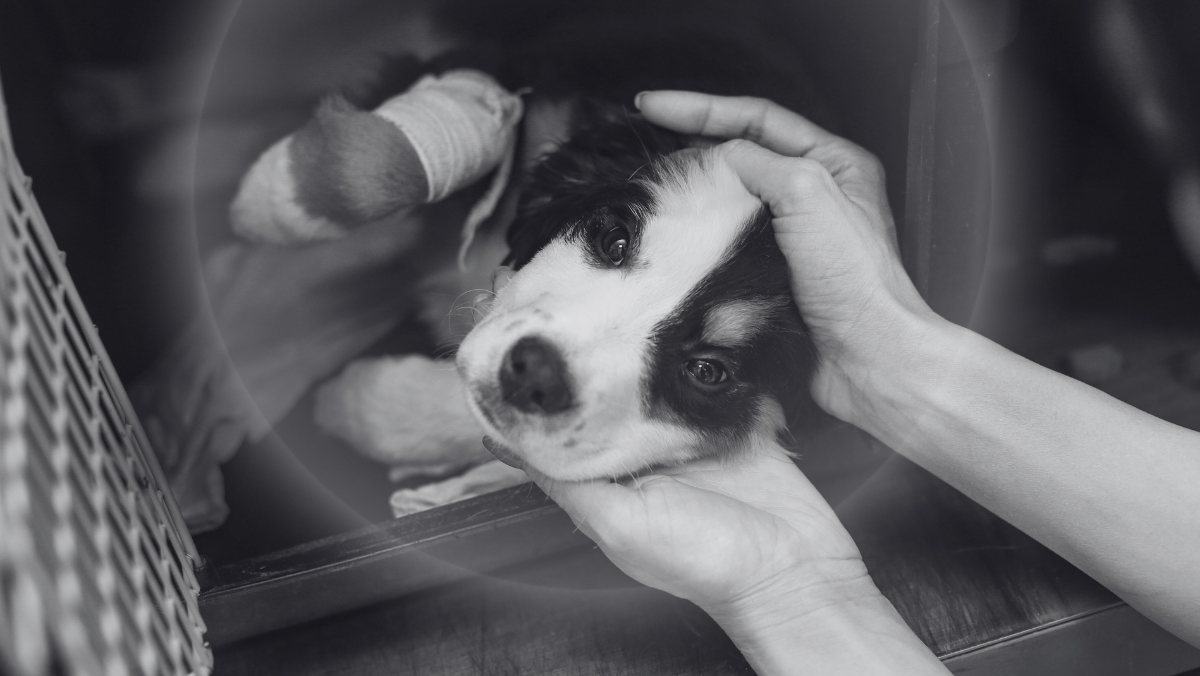

Summer is made for splashes, sunshine, and good times — especially with our dogs. Swimming isn’t just fun; it’s bonding, exercise, and enrichment rolled into one. But if your pup is diving into a chlorine or saltwater pool every day (like mine!), it’s important to protect their skin, gut, and overall health.
Daily exposure to pool chemicals can irritate your dog’s skin, upset digestion, and, over time, contribute to toxin buildup. The good news is that you don’t have to choose between safety and summer fun. Let’s break it all down.
What’s in the Water?
Chlorine Pools: Clean, But Tough on Dogs
Chlorine is great at sanitizing water, but it’s harsh on a dog’s skin and internal systems. It strips away natural oils and beneficial microbes, leading to:
- Dry, flaky, or itchy skin
- Increased risk of infections and hot spots
- Disrupted skin pH and microbiome
Chlorine byproducts (like trichloramine) can also cause eye, skin, and respiratory irritation — especially in smaller pets (Borska et al., 2007).
Chlorine Ingestion Can Lead To Gut Trouble
When dogs lick their fur after swimming — or drink pool water (my golden, Peter Parker, seems to think his tongue is a rudder when swimming ????) — they ingest chlorine.
This can:
- Kill off beneficial gut bacteria
- Cause vomiting, loose stools, or gas
- Trigger systemic inflammation
- Disrupt the gut–skin axis, where internal imbalances show up as external skin problems
Over time, this can create a loop of irritation and weakened immunity — especially with daily exposure.
What to Watch For:
- Itchy or inflamed skin
- Excessive scratching or licking
- Red, watery eyes
- Coughing or wheezing
- Vomiting or diarrhea after swimming


Saltwater Pools: Milder, But Still Risky
Saltwater systems generate chlorine more gradually, making them less irritating. That’s why we chose it for our own pool however, they’re not chlorine-free. And the salt adds its own set of challenges.
Pros:
- Lower, steadier chlorine levels
- More stable pH
- Fewer issues for dogs with sensitive skin
Risks:
- Salt can dry out skin and coat
- Paws, noses, and eyes may get irritated
- Dogs may drink the water — risking dehydration or even sodium toxicity
Even controlled salt levels (3,000–5,000 ppm) can upset hydration and electrolyte balance in dogs, especially small breeds or those with health conditions (Woolf, 2013).
How to Keep Your Dog Safe — Without Skipping the Pool
1. Rinse. After Every Swim
Use lukewarm, fresh water to rinse off chlorine and salt. I rinse after every swim and bathe with shampoo and conditioner once a week during summer.
My Go-To Products:
- Shampoo: 4-Legger Organic Oatmeal (USDA-certified, pH-balanced)
- Conditioner: 4-Legger Conditioning Rinse Or DIY: 50:50 raw ACV + filtered water
These help rebalance skin pH, reduce irritation, and support healthy skin flora.
2. Dry Thoroughly
Moisture trapped in thick fur = breeding ground for bacteria and yeast, which can lead to hot spots. Check out my blog on hot spots for more info.
Focus on:
- Armpits
- Groin
- Behind ears
- Under the collar
I swear by my force dryer and so does my Shepherd, Zane-he loves it! (Catch our demo on my Facebook page.).
Bonus Tip: Got a dog who runs around the pool all day? Monitor for overheating. Here’s how to spot and prevent heatstroke.
3. Care for Ears
Swimming doesn’t directly cause ear infections, but trapped moisture, allergies, or poor airflow can. For dogs prone to ear issues I recommend wiping the ears out after swimming using a cotton swap and applying either witch hazel or 50:50 apple cider vinegar/filtered water to promote drying.
4. Rebuild the Skin Microbiome
Chlorine strips away more than dirt. Help your dog recover naturally:
- Microbiome-Safe Shampoo: Choose products with mild, pH-balanced, organic ingredients.
- ACV Conditioner: Soothes skin, deters yeast, and restores pH.
- Topical probiotic sprays (e.g., Skout’s Honor Probiotic Itch Relief Spray) can directly restore good bacteria.
- Topical Calendula or Chamomile Hydrosol: Calms inflammation.
- Coconut Oil (Cocotherapy is my fav): Moisturizing and antimicrobial.
Provide Omega-3 Fatty Acids. EPA and DHA reduce inflammation and improve skin barrier function. Check out my blog on omega 3s.- Gut Support: Healthy skin starts in the gut. Feed a nutrient-rich fresh diet, rotate probiotics, and add omega-3 rich foods (e.g., sardines, eggs).
Natural Detox from the Inside Out
Daily swimmers are exposed to low levels of chemicals every day. Detox support helps the liver, gut, and immune system do their job.
My Favorite Detox Helpers:
- Chlorella: Binds chlorine and heavy metals
- Bentonite Clay (food-grade): Binds toxins in the gut (use sparingly)
- Milk Thistle: Supports liver repair
- Dandelion Root: Gentle, full-body detoxifier
- Probiotics: Restore gut balance
- Organic virgin Coconut Oil: Supports liver, gut, and skin health
These work together to keep your dog resilient during swim season.
Want my full detox plan? Grab the Dog Pool Detox Protocol below ????????

Hydration Habits Matter
Keeping your dog hydrated while they enjoy warm weather in the pool is essential to prevent dehydration from swallowing pool water and overheating.
How to Prevent It:
- Keep fresh, cold, filtered water nearby in a shaded bowl
- Train with commands like “Leave it” to prevent drinking the chlorinated or salt water
- Give hydrating treats (frozen bone broth cubes, watermelon)
- Enforce breaks inside the air conditioning if your pup appears to be over exerted.

Warning Signs to Watch For…
- Diarrhea or vomiting
- Coughing or wheezing
- Excessive scratching
- Red, flaky patches
- Dull or brittle coat
If any of these show up, take a break from swimming and check in with your vet. Follow my detox protocol below and take a break from the pool until symptoms resolve.
Pool Time Safety Checklist
✔️ Rinse after every swim
✔️ Use organic shampoo + conditioner weekly
✔️ Keep fresh water poolside
✔️ Discourage drinking pool water
✔️ Add detox support
✔️ Monitor skin, coat, and GI tract health
✔️ Schedule vet check-ins during swim season when needed
Common Pool Safety Q&A
Q: Can dogs swim every day?
Yes — with proper care. Rinse, dry, detox, and monitor closely.
Q: Is saltwater safer than chlorine?
It’s milder, but not risk-free. Salt and low-level chlorine are still factors.
Q: Best shampoo for frequent swimmers?
A pH-balanced, organic option like 4-Legger. Avoid human products.
Q: How do I stop my dog from drinking pool water?
Provide clean water nearby and use redirection training.
Q: When should I stop pool time?
At the first sign of GI upset, skin irritation, lethargy, or coughing.
Final Thoughts: Swim Smart, Not Scared
Swimming is amazing for your dog’s health and happiness. You don’t have to give it up — just approach it with the same care you would grooming or nutrition.
Rinse. Dry. Detox. Repeat. It’s a simple routine with big rewards — for a happy, healthy, pool-loving pup. ????????
Want my full detox plan? Grab my Free Dog Pool Detox Protocol.
References
- Campbell, K. L., & Miller, W. H. (2013). Small Animal Dermatology (7th ed.)
- Woolf, A. (2013). Potential toxicity of pool water and treatment chemicals in pets.
- Peters, R. (2009). The pH of dog skin and why it matters.
- Borska, L., et al. (2007). Health risk of chlorine disinfection by-products.