
We’re living in a beautiful era of empowered pet guardianship.
You’re researching. You’re learning. You’re asking deeper questions and thinking critically about your dog’s care. You’re no longer blindly following advice — and I love that. It’s exactly what I teach and encourage in all of my programs.
But here’s where we often hit a crossroads:
There’s a difference between advocating and overriding.
There’s a way to walk into your vet’s office as an informed, intuitive guardian and still honor the decades of education, hands-on experience, and case wisdom your veterinarian brings to the table.
Let’s talk about how to do that — and why it matters so much.
Why the “I Googled It” Approach Doesn’t Go Over Well
Veterinarians don’t just guess. They spend years — often over a decade — immersed in science, medicine, pathology, pharmacology, and real-world application.
They’ve seen hundreds, if not thousands, of similar cases. They’ve studied the outliers. They’ve made mistakes, grown from them, and developed something most online articles don’t offer: clinical intuition built from real-life practice.
So when a well-meaning client walks in and says:
“I did some research and I think it’s X, not what you’re saying…”
It can land like a punch.
Even if your intention is curiosity or concern, what your vet might hear is:
“I trust the internet more than I trust your 15 years of experience.”
And that’s when the energy changes. The walls go up. The conversation becomes more about defending expertise than collaboratively solving the problem.
But Empowerment is the Goal… Right?
Yes. A thousand times yes.
I am fully in support of guardians being educated, intuitive, and aware. In fact, I spend much of my professional life teaching that very thing — helping canine professionals and dog lovers become active participants in their dogs’ care.
But true empowerment isn’t about bypassing expertise. It’s not about deciding you know better after 20 minutes on social media or a blog.
Empowerment is about partnership.
It means showing up informed but open.
It means being heard without dismissing.
It means using your voice — and respecting the vet’s voice, too.
Collaboration Over Competition: Vets & Wellness Coaches Can Work Together
With the rise of holistic pet coaches, nutritionists, and natural care advocates — many of whom bring deep value to our animals’ lives — it can be easy to assume that traditional veterinary medicine is becoming obsolete. But that couldn’t be further from the truth. These holistic professionals are often powerful allies, offering complementary insights that can greatly enhance a pet’s wellness journey. They are valuable tools in a broader, more integrative approach to care — not replacements for licensed veterinarians.
The most ethical and grounded coaches understand this; they actively encourage collaboration with your veterinary team, knowing that true healing happens when both science and intuition are honored. One without the other is risky. If a coach or influencer ever encourages you to bypass or disregard your vet’s guidance, it’s worth pausing. That’s not empowerment — it’s ego masquerading as expertise. And often, it lacks a full appreciation of what veterinary medicine entails: years of education, clinical training, and hands-on experience in complex medical care. Your vet brings something essential to the table — and when paired with integrative support, your pet gets the best of both worlds
Here’s How to Communicate With Respect and Strength
If you want to share insights, ask questions, or express concerns — please do! Your observations at home are invaluable to your veterinary team. But your approach matters. Here’s how tone and phrasing can shift a conversation dramatically:
Disempowering example:
“I read online that this is actually arthritis, not abdominal pain.”
This feels dismissive of the vet’s training. It closes the door to collaboration and can immediately trigger defensiveness.
Empowering example:
“I just wanted to share something I noticed at home. On walks, he’s been slowing down a lot and grunting when he lies down. Could that possibly point toward arthritis?”
This invites conversation, adds useful clinical context, and builds trust.
Advocate With Compassion: Phrases That Bridge the Gap
Try using these kinds of statements to keep the relationship collaborative and respectful:
“I have a lot of respect for how hard this job must be. Thank you for being here today.”
“I’d really love to be involved in the decision-making process for my dog’s care. Would that be okay?”
“I try to avoid certain medications or chemicals for my family — including my dog. Are there gentler alternatives we could explore together?”
“I trust your expertise and really want to work together. Can I share something I’ve been wondering about?”
These phrases show your vet that you’re engaged, invested, and respectful — not combative. They remind both of you that you’re on the same team, working toward the same outcome: the best care possible for your pet.
Final Thoughts
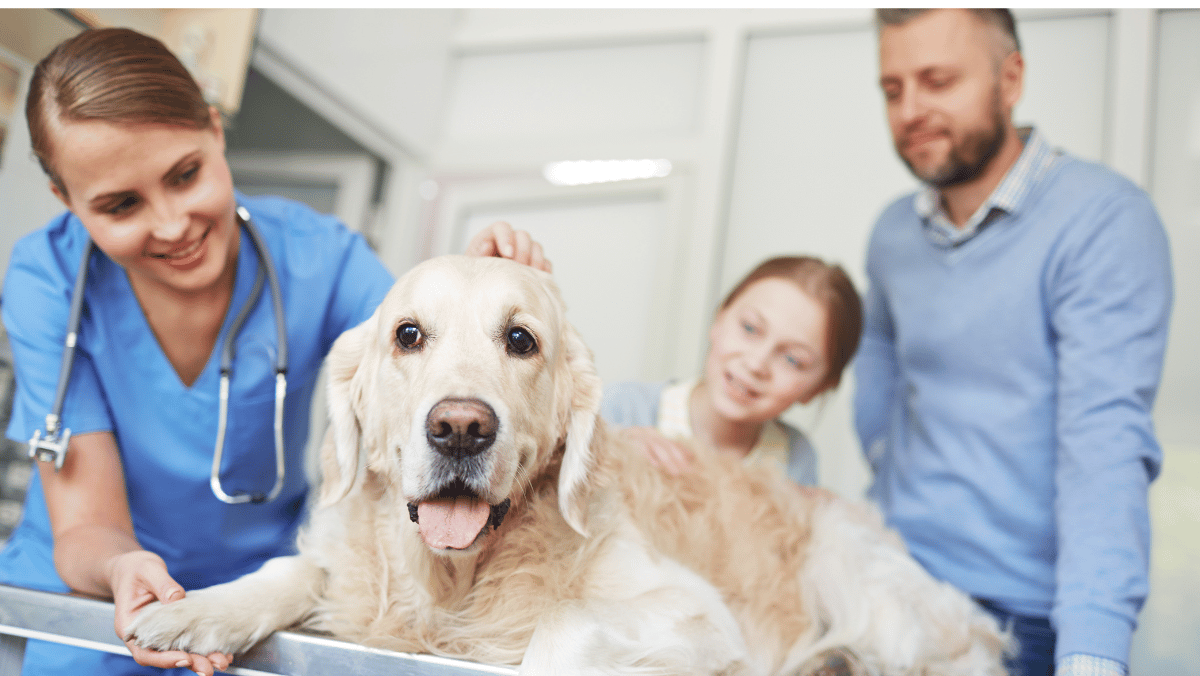
The truth is, your vet needs you. Your insights. Your intuition. Your observations at home. And you need your vet—their training, experience, and ability to put the whole clinical picture together.
One without the other? It doesn’t work as well.
The magic happens when both sides come to the table with mutual respect, curiosity, and a shared goal: giving your dog the best care possible.
Let’s keep working as a team. ????
If you are interested in topics like this, consider joining me in the Dog Mom Society, where you’ll gain the clarity, confidence, and community you need to make empowered decisions for your dog’s health and happiness. Get expert guidance, holistic care strategies, and the support of like-minded dog moms who truly get it.