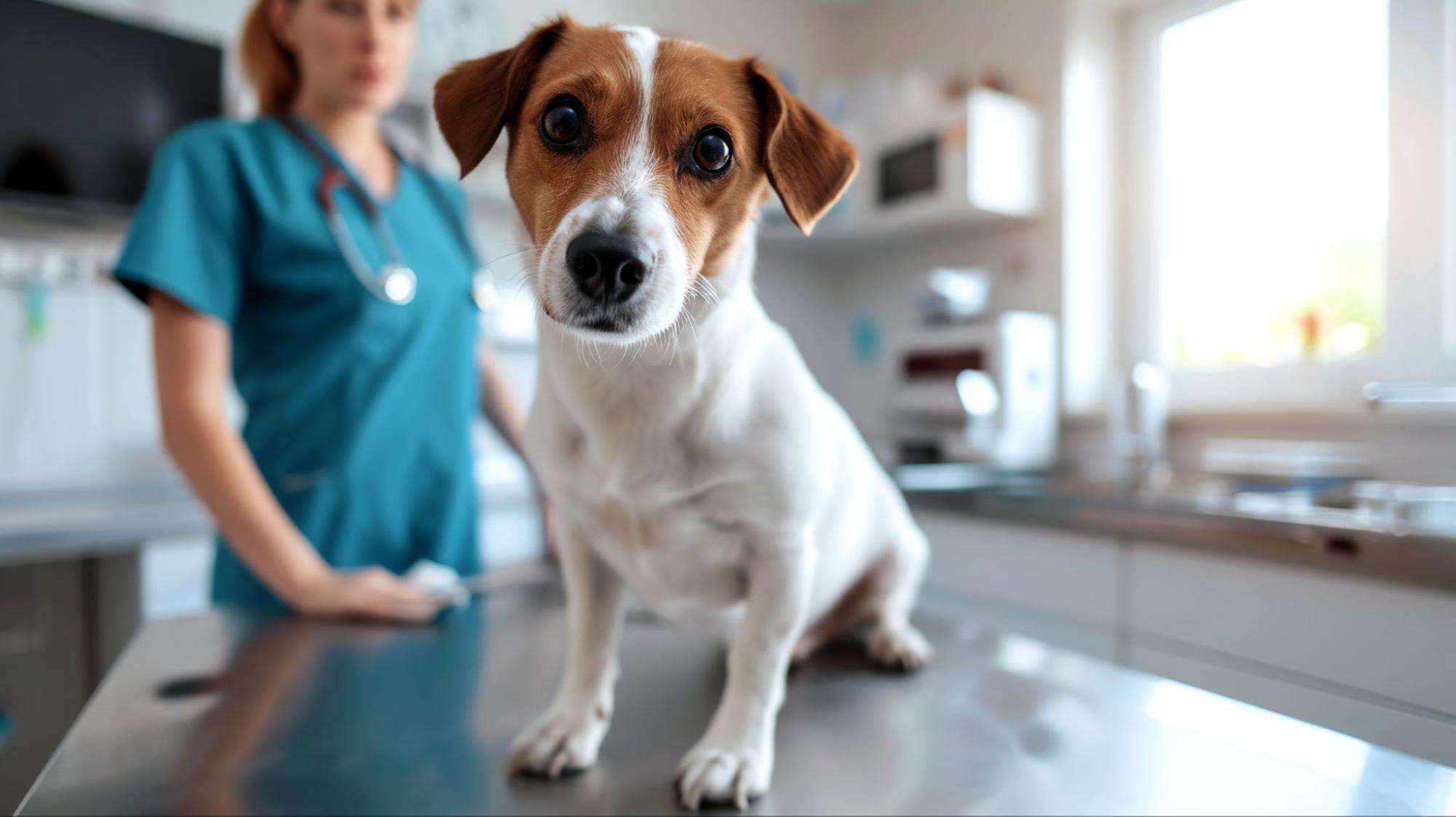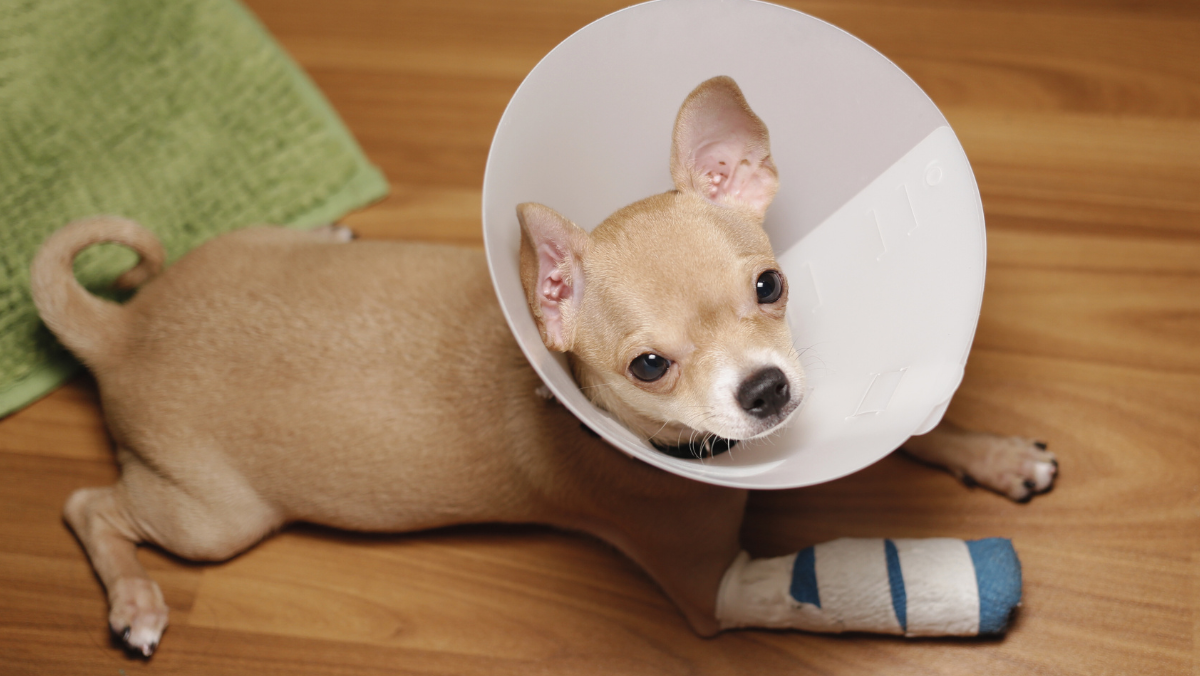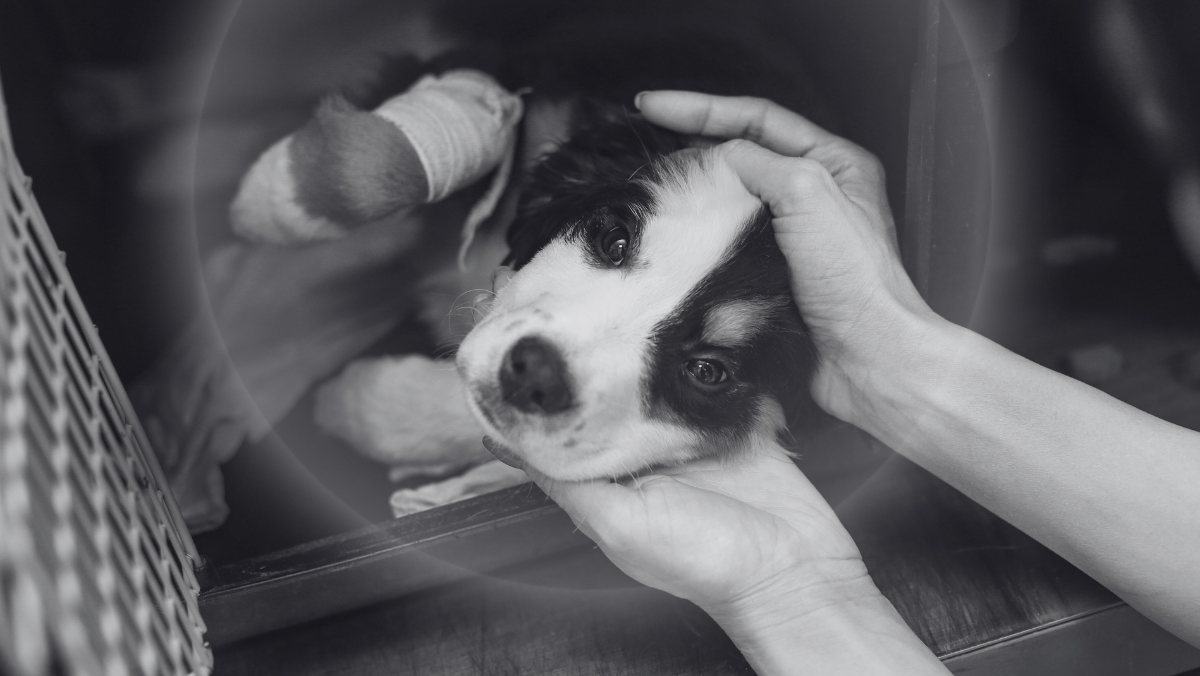

I know how stressful a hospital visit can be—for both you and your beloved dog.
Recently, I had the honor of supporting one of our dog mom community members as her young pup went through a serious illness. Together, we crafted a thoughtful post-hospitalization plan to guide his healing journey—and of course, I turned that experience into a blog (because I knew it could help others like you, too!).
Whether it’s a sudden emergency or a planned procedure, the experience can leave you emotionally drained—and your dog physically and energetically depleted. You may have gone through days of uncertainty, maybe even fear. And now that your pup is home, you might find yourself asking: What now?
This guide is here to gently walk you through those next steps—so you can confidently support your dog’s recovery, while also protecting your own sense of calm and peace of mind.
1. Gently Pause & Evaluate Where They Are
Gently Pause & Evaluate Where They Are
The first step is not doing, but observing. This is the time to slow down, tune in, and really feel into how your dog is doing.
Ask yourself:
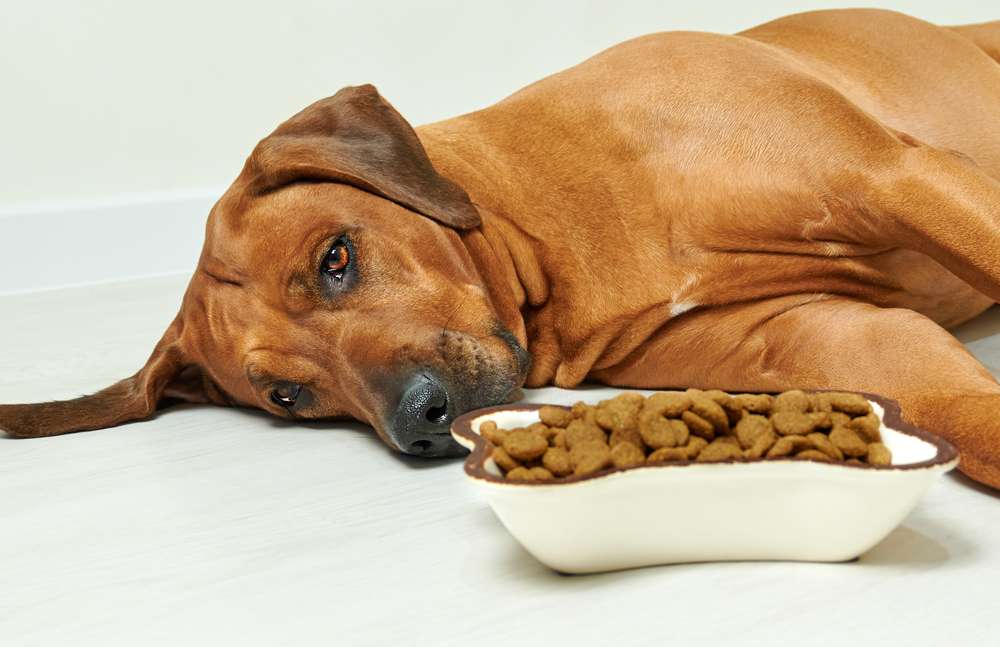
- Are there lingering symptoms like lethargy, discomfort, vomiting, or digestive upset?
- Are medications needed—and how well are they being tolerated?
- What did the discharge notes or test results tell you?
- Does your dog seem energetically “off” or emotionally detached?
This is also the time to consider further insight:
- A gut microbiome test (like AnimalBiome) can guide food and supplement choices.
- If antibiotics or anesthesia were involved, a gut reset may be essential.
- Don’t rush into remedies. First, simply get the full picture with presence and patience

2. Rebuild The Body: Immunity, Gut & Energy
Hospitalization—even when necessary—can stress the immune system, disrupt the microbiome, and deplete vital energy reserves. Healing goes beyond rest. It’s a full-bodied reset from the inside out.
Microbiome & Immune Support
- Rotational probiotics, especially after antibiotics. Check out my blog on probiotics
- Prebiotic-rich foods: dandelion greens, chicory root, sweet potato (small amounts)
- Slippery elm or marshmallow root for soothing the gut lining
- L-glutamine to help repair the intestinal lining, especially post-antibiotics or anesthesia
Healing Foods
- Bone broth: rich in glutamine and minerals for gut, joint, and immune repair.
- Omega-3s: sardines or flaxseed oil to reduce inflammation
- Steamed pumpkin or butternut squash to support digestion and firm up stools if needed.
Lymphatic & Detoxification Support
To support elimination of anesthesia, meds, and metabolic waste:
- Calendula: gentle lymphatic mover
- Milk thistle seed: liver protective and regenerative
- Turmeric: anti-inflammatory and antioxidant (use pet-safe formulas)
Key Supplements to Consider
(Always with your holistic vet’s guidance)
- Colostrum – modulates immune response and helps rebuild gut integrity
- Medicinal mushrooms – like reishi, turkey tail, or maitake for immune and energy support
- Digestive enzymes – especially helpful if your dog was on a bland or processed hospital diet
- Psyllium husk if loose stools or diarrhea is an issue
3. Introduce Key Remedies for Recovery Support
These additions can be used situationally or daily, depending on your dog’s needs.
Arnica Montana (homeopathic)
- Ideal for bruising, soreness, or trauma—emotional or physical
- Use a 30C potency, 1–2 pellets as needed (away from food)
- Especially helpful after surgeries, dental work, or heavy sedation
Rescue Remedy (Bach Flower Formula)
- For emotional shock, overwhelm, or transition
- 3–5 drops orally—2–3x/day or as needed
- Gentle enough for puppies and seniors; safe with all medications

4. Move, Rest, and Reset Energy
Healing lives in the in-between. It’s not just about activity or stillness—but finding the rhythm that restores balance.
- Keep walks short and slow at first. Let them sniff—sniffing lowers cortisol.
- Allow deep, uninterrupted rest. Let their system recalibrate.
- Gradually reintroduce gentle play, stretching, or therapeutic touch like Tellington T-Touch.
- Support their energy body with Reiki, flower essences, or grounding time in nature.
This is a powerful time to reconnect—not just physically, but emotionally and energetically.
5. Reassess Gently, Often
Healing isn’t linear. You’ll likely have moments of progress, followed by small regressions. That’s normal.
Set soft checkpoints:
- Day 3: Are they eating well? How’s their energy? Any medication side effects?
- Week 1: Are symptoms improving? Has mobility returned? Are they more emotionally present?
- Week 2: Is it time to revisit diet, probiotics, or activity?
If you’ve done a microbiome test, this is a good time to review results and adjust accordingly with a practitioner.
6. Emotional Recovery Matters, Too
Your dog’s emotional and energetic experience matters just as much as their physical recovery.
They may feel:
- Disoriented or anxious from the clinical setting
- Hyper-attached or withdrawn
- Confused by the change in routine or your concern
What can help:
- Flower essences like Walnut (for transition) or Rescue Remedy (for trauma)
- Chamomile or skullcap (for mild calming support)
- Gentle aromatherapy: diffused lavender or frankincense (always used safely)
- Simply being with them. Undistracted. Heart open. No agenda.
And remember: your nervous system informs theirs. Your groundedness creates their sense of safety.

In Summary
Thankfully, our Dog Mom member was able to meet with me the very day she brought her pup home. Together, we created a personalized healing plan—and, crucially, we caught two serious medication dosing errors that could have interfered with his recovery. That early intervention made all the difference.
Supporting your dog post-hospitalization isn’t about following rigid protocols and over-doing medications—it’s about actively rebuilding the systems that guide the body back to health.
- Assess where your dog is—physically, emotionally, and energetically
- Rebuild immunity, gut function, and vitality with nourishing foods and gentle herbs
- Support the healing process with natural remedies like arnica, bone broth, flower essences, and lymphatic movement
- Move slowly, rest deeply, and reassess regularly with compassion and curiosity
- Acknowledge the emotional impact of hospitalization—for both you and your dog
This is a pivotal chapter in your life together. Your dog doesn’t just need medication—they need your calm, your care, and your belief in their innate ability to recover. With your support, their body can remember how to heal