
Introduction
Seeing your beloved furry friend suffer from an allergic reaction can be distressing. While conventional treatments are available, there are natural remedies that can be used to address allergic symptoms in a gentle and holistic way. In this blog, we’ll explore various natural remedies that can help alleviate allergic reactions in dogs, promoting their well-being and comfort.
Let’s first discuss the most common causes of allergic reactions in dogs:
- Insect Bites:
One of the primary triggers for allergic reactions in dogs is insect bites. Dogs are susceptible to bites from various insects like fleas, ticks, mosquitoes, spiders and bees, which can lead to an array of allergic responses. In the summer months, bee stings are one of the most common reasons we see allergic reactions in the ER. Spider bites, such as brown recluse spiders, can cause necrotic skin lesions in dogs, with allergic reactions amplifying pain and tissue damage, requiring immediate veterinary attention. Bites from black widow and wolf spiders may elicit severe allergic reactions in dogs as well. - Vaccine Reactions
Vaccine reactions are the most common reason for acute allergic symptoms in dogs. These can include mild symptoms of lethargy, mild fever, or localized swelling at the injection site. In some cases, more severe reactions may occur, such as facial swelling, severe itchiness, hives, or, in extreme situations, anaphylaxis. It’s essential for pet parents never to vaccinate dogs that have had a severe reaction. These dogs are much more likely to develop an immune-mediated disease in response to future vaccinations. Simply giving a Benadryl injection prior to the next vaccine is not the answer. This does not eliminate the reaction below the surface. - Food Allergies:
If a dog is given a new treat, bone or type of food, they may manifest an acute hypersensitivity reaction. Dogs can also develop allergies to certain ingredients that can manifest in more chronic ways, including digestive issues, skin problems, ear infections and anal gland issues. Identifying and eliminating the specific allergen from their diet is crucial for managing food-related allergic reactions. - Environmental Allergens:
Environmental factors such as pollen, mold, dust mites, and certain plants can contribute to allergic reactions in dogs. Using a new cleaning product in the house, whether it’s a floor or carpet cleaner, disinfectant spray or detergent used to clean their bed, could trigger an allergic reaction. It’s important to consider if anything new has been introduced into their environment when trying to pinpoint the cause of the allergic reaction. - Medications
Prescribed or administered while in the hospital may trigger allergic reactions, manifesting as various symptoms. These reactions can range from mild skin irritations, such as itching or redness, to more severe responses, like facial swelling, difficulty breathing, or gastrointestinal distress. If you feel that a medication may be at the root of the problem, then stop that medication immediately and be sure that your dog never receives that medication in the future.
Natural Treatments
- Mushrooms
Certain mushrooms with beta-glucan content can modulate the immune response, prevent inflammation, and activate immune cells. These mushrooms should be cooked or dehydrated before giving them to your dog. Beta-glucans are found in Reishi, Shiitake, Cordyceps, Turkey Tail, and Maitake mushrooms. - Quercetin
Quercetin is a phytonutrient with antioxidant, antihistamine, and anti-inflammatory properties. During an allergic reaction the body releases histamine. Histamine leads to inflammation, redness and irritation. Research has shown that quercetin can turn off histamine production and control inflammation. Quercetin is so effective in helping allergies that it’s known as “Nature’s Benadryl.” Quercetin supplements should be given on an empty stomach. - Nettles
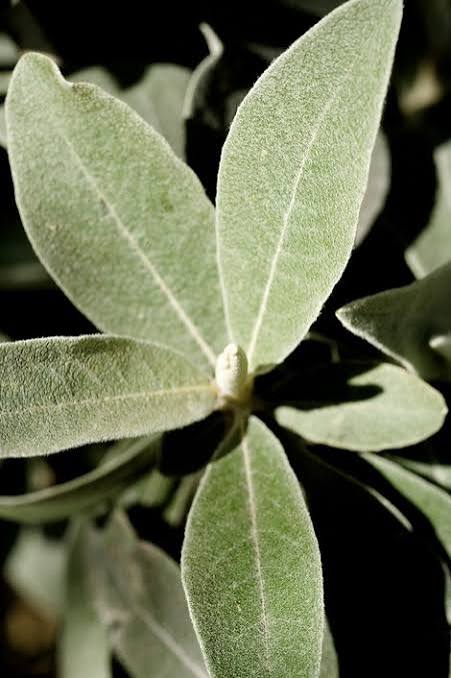
Nettles contain histamines and quercetin, which stimulate the body to protect itself from allergens and boost anti-allergy effects. You can pick nettles, dry them, make nettle leaf tea, sauté fresh nettles in MCT oil, or use a pre-made nettle tincture. Here is a link to a Nettle tincture I recommend. This is a good one to have in your medicine cabinet! - Ledum Palustre
Ledum Palustre is a homeopathic remedy, and is often recommended for treating insect stings in dogs. Known for its anti-inflammatory properties, Ledum Palustre can help alleviate swelling, pain, and itching associated with insect bites. Administered in pellet form, this remedy is considered safe for dogs and can be useful in addressing the discomfort caused by various insect stings.
For bites, stings or punctures, especially if they’re swollen or painful, 3 or 4 doses of Ledum in the first hour will bring down swelling and relieve pain. Dosage: Follow the recommended dosage based on the specific Ledum palustre product you have. This can vary depending on the form (pellets, liquid, etc.) and the potency. Generally, a low potency (e.g., 30C) is suitable for acute situations. - Baking Soda
Baking soda is a cost-effective remedy for calming itchy, inflamed skin. You can create a paste by mixing one tablespoon of baking soda with water and applying it to itchy, reddened areas. This paste can be beneficial for soothing irritated skin, including between the toes or on top of the feet. Additionally, a baking soda spray, made by mixing one tablespoon of baking soda with eight ounces of water and applying it to the dog’s skin, can help calm and relieve allergic reactions. - Aloe Leaf
Fresh aloe gel from the plant or fresh aloe leaves can soothe itchy skin and reduce inflammation. Slice the leaf open and apply the clear gel to itchy areas. It’s also antibacterial, antifungal and anti-inflammatory. Find aloe that is at least 99% pure, organic, free of preservatives, human- and food-grade, and contains the inner leaf juice or gel only, and not the entire leaf.
For More Chronic Allergy Symptoms
-
Probiotics
Probiotics can help reduce bad bacteria in your dog’s gut, which may reduce inflammation and allergy symptoms. Choose probiotics with multiple strains and at least 30 billion CFUs. Prebiotics can make probiotics more effective and can be found in foods like mushrooms, garlic, or dandelion greens. Here is a link to my probiotic blog for more on picking the right probiotic for your dog. This is a remedy for more chronic allergic reactions.
- Omega-3s
Certain omega-3s, such as eicosatetraenoic Acid (ETA), eicosapentaenoic Acid (EPA), and stearidonic Acid (SDA), have anti-inflammatory properties that can relieve allergy symptoms like itching and scratching. You can find these omega-3s in various sources, including hemp seed oil, Ahiflower oil, and Green Lipped Mussel oil. Here’s an oil product that I recommend. Check out my Omega 3 blog for more. - Colostrum
Colostrum, found in a mother’s first milk, contains proline-rich polypeptide (PRP), a component that aids in improving allergy symptoms in dogs. PRP influences the immune system’s response to allergens, inhibiting certain immune cells and promoting the production of cells that suppress allergic reactions. Additionally, bovine colostrum provides antibodies to common allergens, helping desensitize a dog’s immune system and providing relief from allergy symptoms. Colostrum is most effective with more chronic symptoms due to environmental and seasonal allergies. Give your dog 1/3 tsp powdered colostrum per 25 lbs of body weight, twice a day. - BioResiliant | Allergy Supplement
This contains anti-oxidant-packed superfoods Turmeric, Mangosteen, and Turkey Tail Mushrooms to boost and support the immune system. BioResiliant contains top-quality ingredients designed to work together for maximum, natural histamine level maintenance.
If your dog exhibits rapid facial swelling, difficulty breathing, and pale gums, then it is imperative to get your dog to a vet immediately!
In the case of a severe reaction, benadryl and/or steroids will be necessary.
- Corticosteroids
Corticosteroids (e.g. prednisone, dexamethasone) suppress the inflammatory response. This is important because inflammation is a key part of the immune response. It is responsible for causing the redness and swelling of hives. Corticosteroids work by reducing inflammation and swelling. In reactions that resolve quickly with one injection, then that will likely be all that is necessary. However, if the reaction is severe and residual symptoms remain, then 3 days of oral steroids may be required. This only treats the symptoms; therefore, if this allergic reaction is of a chronic nature, then it is vital the root cause is found. Merely masking external symptoms with superficial treatments allows continuous inflammation to affect internal organs, paving the way for the development of chronic diseases and, in severe cases, cancer - Antihistamines
Many allergy experts believe that Benadryl, a first generation antihistamine, should no longer be the first choice for oral allergy medication. Benadryl works by blocking histamine receptors, helping alleviate symptoms like itching, swelling, and hives. However, while both first and second-generation antihistamines bind to receptors in the brain and spinal cord to block the release of histamines — the chemicals that cause allergy symptoms — first-generation crosses the blood-brain barrier and causes more sedation in patients, something that was corrected in second-generation antihistamines.Because of this difference, first-generation antihistamines like Benadryl are associated with more side effects such as increased drowsiness, issues with motor functions and working memory, as well as a risk of hallucination or even death in the event of an overdose. In practice, Benadryl is used because it comes in an injectable form which offers a quicker response for patients with severe allergic reaction symptoms. Second generation antihistamines such as , etirizine ( Zyrtec*) and loratidine (Claritin*) can be used instead of Benadryl for oral dosing.
Conclusion
To sum up, having natural solutions at your fingertips is key for tackling various health issues, but it’s equally vital to delve into understanding and addressing the root causes rather than just treating symptoms. Identifying the underlying issues is crucial for taking proactive measures to prevent future occurrences. This holistic approach supports long-term well-being and guards against the development of chronic conditions and negative side effects of long-term “band-aid” medications.
While you may not be able to prevent insect bites, for other triggers like specific foods or vaccines, the responsibility lies with you to shield your dog from potential future harm. I recommend minimizing vaccinations, saying “No!” to conventional allergy drugs, providing your dog with a diverse whole-food diet, and exploring the benefits of natural remedies. And if the acute allergic reaction is severe or does not respond to natural remedies, then short-term conventional treatments may become necessary.