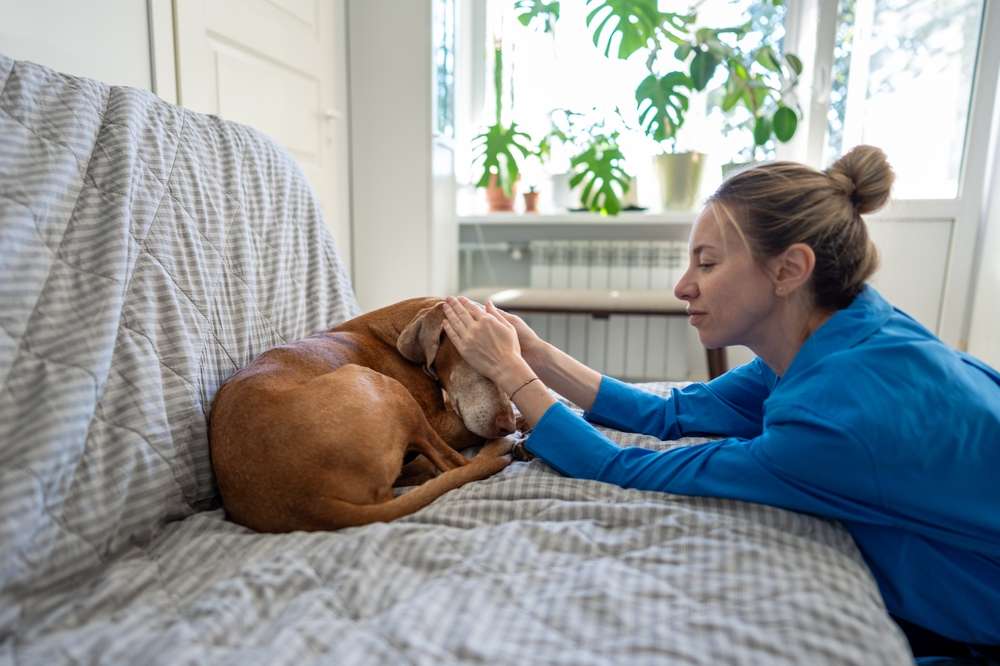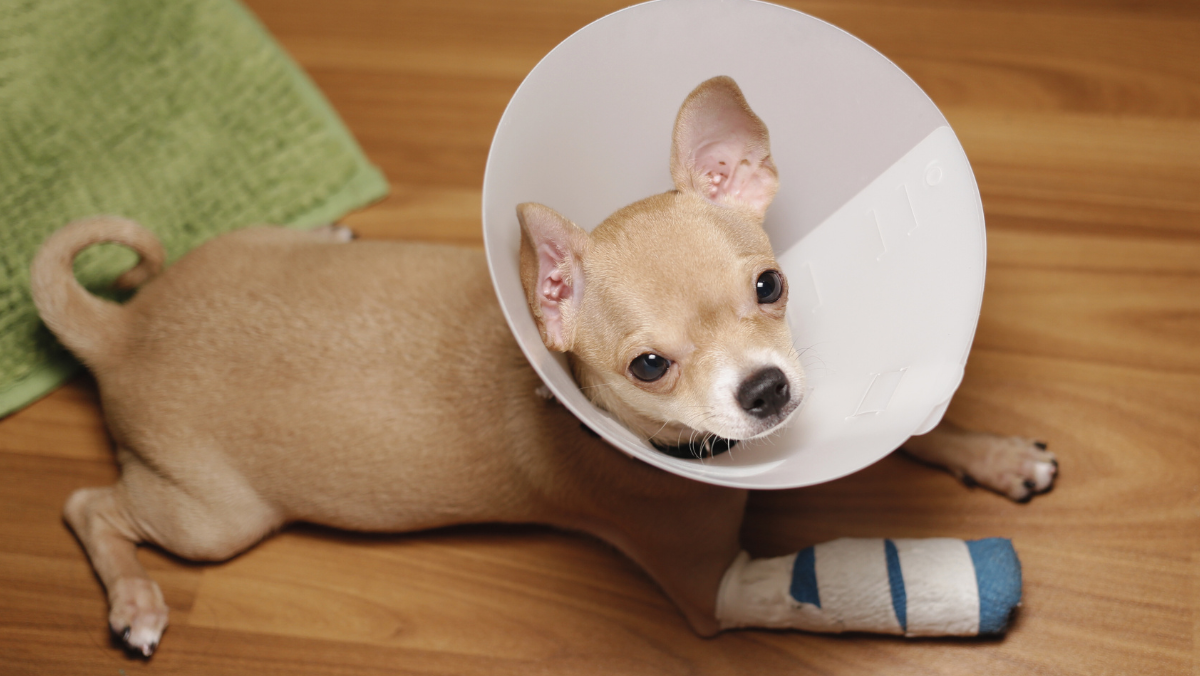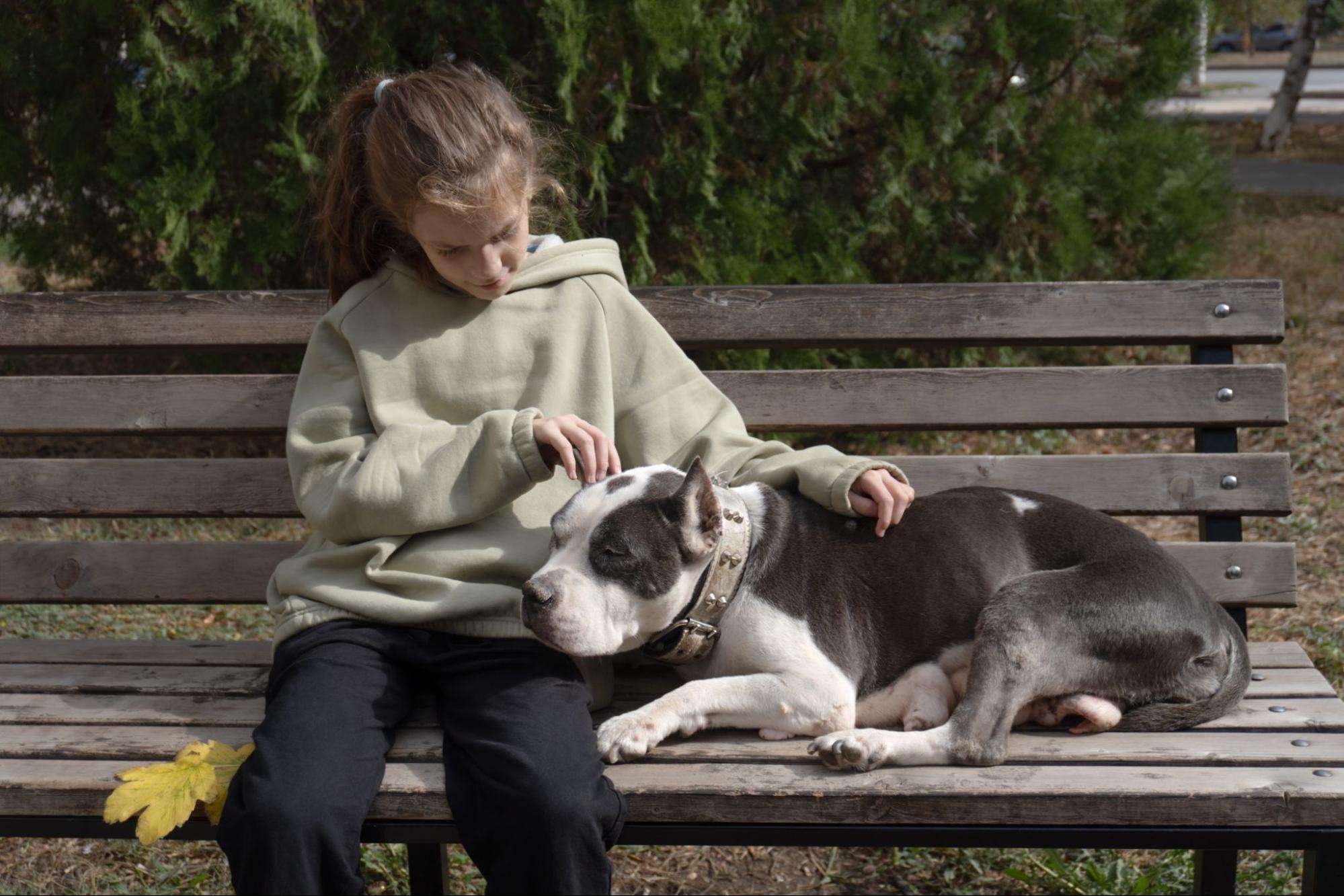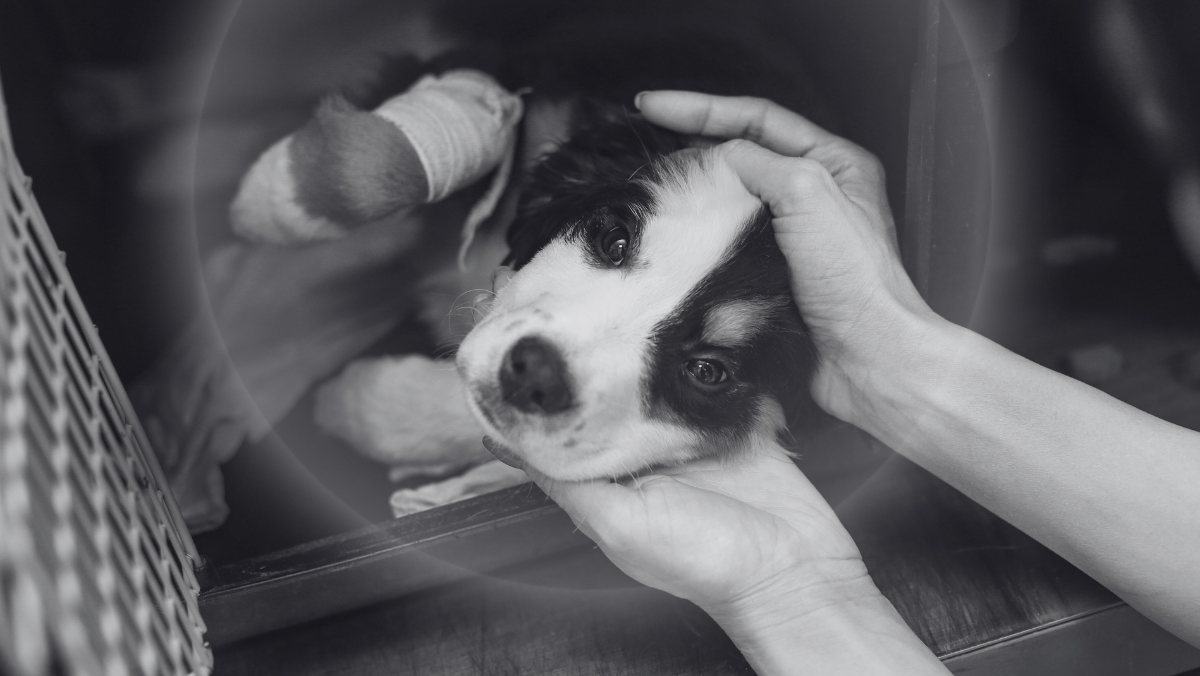

When our pets begin to slow down, whether from chronic illness, pain, or the natural aging process, it doesn’t always mean it’s time to say goodbye. Sometimes, it’s simply time to shift how we care for them.
Palliative care helps bridge that space between active treatment and end-of-life care, offering comfort and connection when cure is no longer the main focus, but living well still is.
What Is Palliative Care?
Palliative care is a compassionate, whole-body approach designed to support pets living with illness or age-related discomfort who are not yet ready to transition. It focuses on comfort, symptom management, and emotional well-being while your pet continues to engage in life’s daily moments, such as Palliative Care for Pets: Comfort, Connection, and Quality of Life
When our pets begin to slow down—whether from chronic illness, pain, or the natural aging process—it doesn’t always mean it’s time to say goodbye. Sometimes, it’s simply time to shift how we care for them.
Palliative care helps bridge that space between active treatment and end-of-life care, offering comfort and connection when cure is no longer the main focus, but living well still is.
When Palliative Care Might Be Right for Your Pet
You may want to consider palliative care if your pet:
- Has a chronic or progressive illness (such as cancer, organ disease, or arthritis).
- Is aging and beginning to experience symptoms such as:
-
- Severe stiffness
- Difficulty rising & walking
- Decreased appetite
- Aloofness
- Confusion
- Unusual vocalization
- Pain
- Changes in behavior
- Is still enjoying parts of daily life but needs extra support to do so comfortably.
- Has reached a point where aggressive treatment may no longer be the best choice for their comfort or happiness.
Palliative care is about meeting your pet where they are and honoring the life they’re still living while gently supporting what their body needs most.
What Holistic Palliative Care Involves
Every pet’s comfort journey is unique, and their care plan should reflect that. Our palliative care consultations at Peaceful Transitions combine medical expertise with holistic healing to nurture body, mind, and spirit.
- Gentle Pain and Symptom Management
We begin with a full review of your pet’s medical and emotional history. Together, we explore integrative ways to ease discomfort—using a blend of gentle medications, herbs, supplements, and energy-based therapies to reduce inflammation, stiffness, and stress.
- Mobility and Daily Comfort
Mobility is key to maintaining quality of life. We help you create safe, supportive spaces using rugs for traction, ramps for easier access, orthopedic bedding, and simple home adjustments that make your pet’s world more comfortable.
- Nutritional and Digestive Support
We focus on nourishing the body with foods that are both soothing and easy to digest. Whether through home-prepared meals, herbal tonics, or appetite-enhancing remedies, we help bring the joy back to mealtime.
- Emotional and Energetic Balance
Our pets feel our emotions deeply. Reiki, calming aromatherapy, gentle massage, and grounding practices can reduce anxiety and foster connection. These small rituals remind your pet that they are safe, loved, and deeply seen.
- Guardian Support and Education
Palliative care also supports you. We guide you through interpreting subtle changes in your pet’s energy, mobility, and mood—helping you tune into what they’re communicating and make decisions from a place of confidence and calm.
The Heart of Palliative Care
Palliative care is not about waiting for decline but instead it’s about honoring the life still present. It’s about making every day as comfortable and meaningful as possible while deepening the bond you share.
When we slow down enough to meet our pets where they are, we find beauty in the quiet moments, the soft eyes that still find yours, the gentle gratitude in every breath.
When the Time Comes to Transition
Palliative care naturally flows into hospice care when a pet begins showing signs that life is becoming more uncomfortable than joyful. By this point, you’ll have the tools, clarity, and support you need to recognize when it’s time and the reassurance that your pet’s final chapter will unfold with peace and dignity. I recommend keeping a journal or record on a calendar of good days vs bad days. When the bad days are obviously outnumbering the good then it may be time to consider a peaceful passing for your beloved pet.
You Don’t Have to Walk This Path Alone
If your pet is living with a chronic illness, mobility issues, or age-related challenges, our team is here to help. A Palliative Care Consultation provides clarity, comfort, and a personalized plan to help your pet feel better while also helping you feel more at ease.
Together, online or in-person, we’ll create an integrative path that allows your pet to live each day with comfort, connection, and love.
Schedule a Palliative Care Consultation or Download our Pet Guardian’s Guide to Palliative Care to begin this journey with understanding and support.the soft sighs, the gentle tail wags, the quiet companionship that still fills your home.
While hospice care begins once curative treatment is no longer pursued, palliative care can begin at any stage of illness. Its goal is to enhance your pet’s comfort and preserve their joy while addressing pain, anxiety, mobility, and appetite in thoughtful, integrative ways.