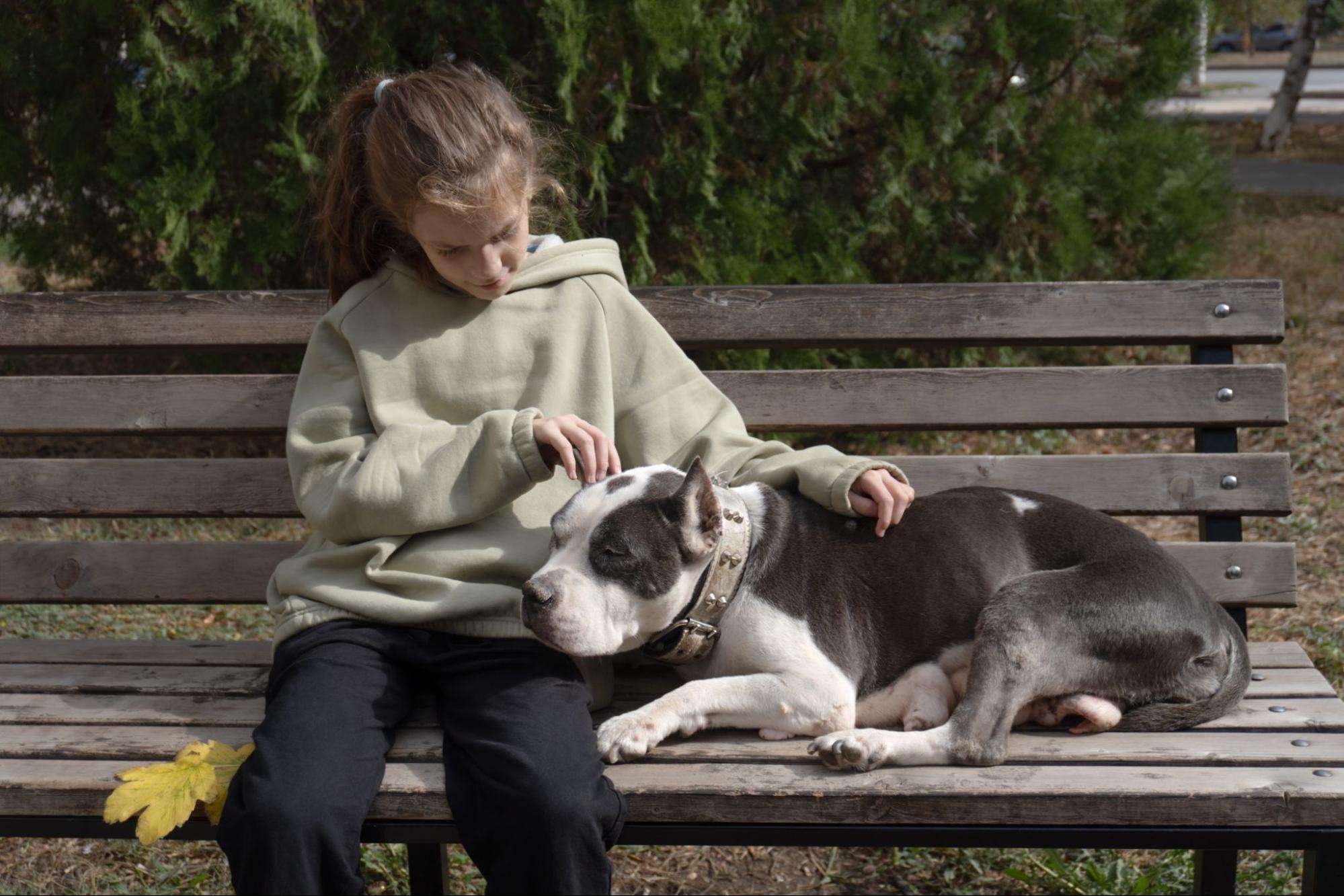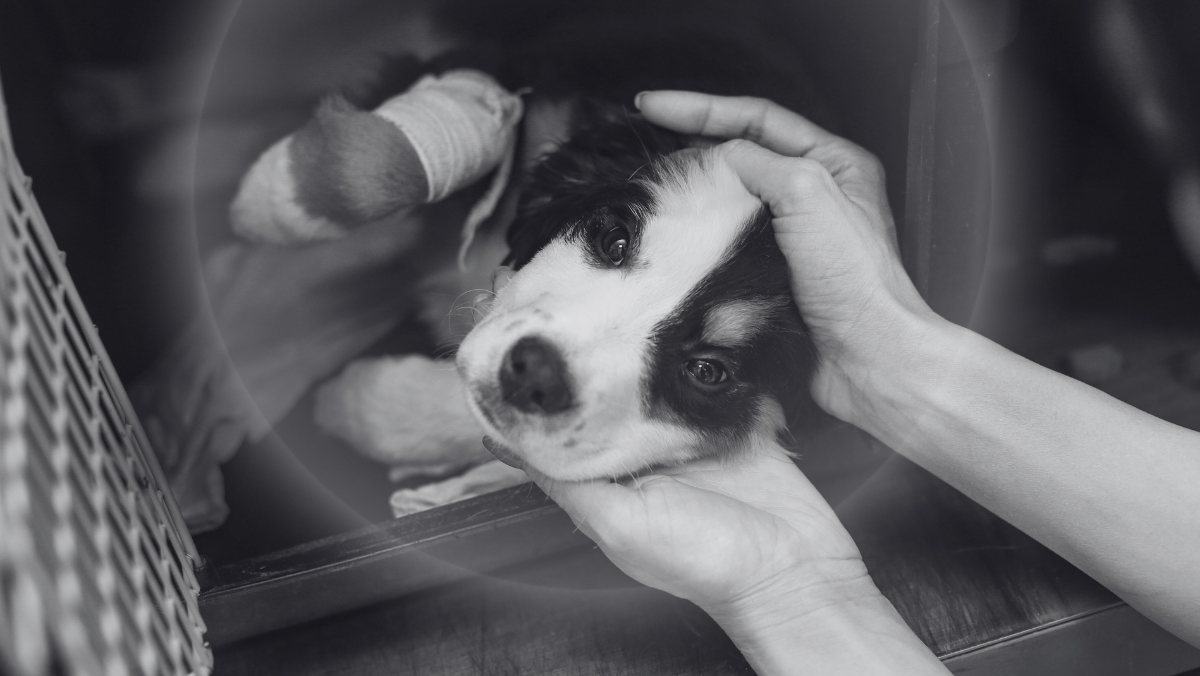

The loss of a beloved family pet is often a child’s first experience with deep grief. As parents, we want to protect them while also helping them understand the beauty, love, and mystery of saying goodbye.
One of the most common questions we receive is:
“Should my children be present during the euthanasia?”
The answer depends on your child’s age, emotional maturity, and your family’s needs.
Children 8 and Under: What to Consider
For younger children — especially under 8 — witnessing the entire euthanasia process, particularly the IV medications, may be overwhelming and emotionally difficult to process. Children at this age tend to form strong procedural memories (what they see) more than emotional context. The imagery of their pet going still or receiving an injection may stay with them longer than the peace or love surrounding the moment.
That’s why I always encourage parents to ask themselves:
“Is this the memory I want them to carry?”
A meaningful alternative may be allowing them to say goodbye while their pet is still awake, or resting peacefully after the sedative is given. From there, they can leave the room with a trusted adult, holding the memory of comfort — not the clinical steps.
Talking to Children About Death
 When a beloved pet is nearing the end of their life, one of the hardest parts for any parent is helping their child understand what’s happening. Children often form deep, unconditional bonds with their animal companions, and the concept of death can be confusing, scary, or even overwhelming.
Here are some gentle, age-appropriate ways to guide the conversation:
Use clear, honest language.
Avoid phrases like “put to sleep” or “went away,” which can be confusing—or even frightening—for children. Instead, use clear, gentle language. You might say:
“Our dog’s body is very tired and sick, and it can’t work the way it needs to anymore. We’re helping them transition peacefully so they don’t feel pain.”
Using the word “transition” helps frame death as a fluid, natural process rather than a scary, abrupt ending. That can feel less overwhelming to a young heart.
Of course, if this language doesn’t align with your personal beliefs, it’s important to choose words that do feel true and right for your family.
I personally believe that dogs do not fear death. They know—it’s not the end. That’s why I explain death to my own children as a transition, not a disappearance. A continuation, not a loss.
There’s no one right way—only the way that honors your child, your beliefs, and the love you all shared.
Acknowledge their feelings.
Let your child know that it’s okay to be sad, angry, or confused—and that you feel those things, too. You might say, “I’m really sad too, because I love them so much. It’s okay to cry. We can miss them together.”
Create a space for goodbye.
If it feels right for your family, invite your child to say goodbye in a way that’s meaningful to them—drawing a picture, reading a letter to their pet, or simply sitting with them quietly.
Keep their memory alive.
Talk about the good times. Look at photos. Celebrate the love that was shared. Remind your child that even though their pet is no longer here, the love they shared will always be part of them.
Answer questions with kindness, not perfection.
It’s okay not to have all the answers. What matters most is that your child feels heard, seen, and safe as they process this big loss.
Helping your child walk through the loss of a pet can feel heavy—but it’s also an opportunity to teach empathy, resilience, and the beauty of honoring life all the way to the end.

Gentle Ways to Help Children Process the Loss
Regardless of their presence during euthanasia, children can and should be supported through the grieving process with love, inclusion, and ritual. Consider:
- Writing a letter or drawing a picture for the pet
- Requesting extra paw prints or keepsakes just for them
- Whispering a favorite memory or goodbye message
-
Ordering a pillow or plush in the likeness of their pet for comfort
(This brought tremendous comfort to my youngest son after we said goodbye to our beloved Joey.)
The Sacred Power of Ceremony
Creating a ceremony around your pet’s transition — whether before the veterinarian arrives, after the euthanasia, or even weeks later — can offer a powerful and healing experience for both children and adults.
Ceremony gives form to love and grief. It creates a space where emotions are safe to express and where we intentionally mark the passage of a beloved soul. It doesn’t have to be elaborate. It might be:
- Lighting a candle and sharing memories
- Taking a family hike to a favorite trail
- Holding a backyard campfire where each person tells a story
- Writing letters and placing them in a memory box or burning them in symbolic release
- Planting a tree or flower in their honor
You may choose to repeat this ritual every year on the anniversary of their passing. For children, it becomes an emotional outlet — a tangible way to express their continuing love and grief. For you, it becomes a sacred thread that reminds you: connection doesn’t end when the body leaves — it simply shifts form. And I believe your pet, too, will feel and receive your love through such acts of remembrance.
Older Children (8+): Give Them a Voice
Children over 8 often have a clearer understanding of death and may express a strong desire to be present during their pet’s final moments. If they ask to be there, honor that request — even if only for the beginning of the process, such as when their pet is peacefully falling asleep after the sedative is given.
You might gently ask:
- “Would you like to be there for the first part, when they’re getting sleepy?”
- “Do you want to say goodbye beforehand and wait in another room?”
- “Would you like to help plan a ceremony afterward?”
Giving them a voice in how they say goodbye can reduce confusion, build trust, and help them feel empowered during an otherwise helpless time.
At the same time, remember — you know your child better than anyone. You are the best person to gauge whether this is something they are emotionally ready to witness right now. Trust your instincts. If they’re insistent about staying, but you sense it may be too much, it’s okay to gently guide them toward a softer form of goodbye. You’re not taking something away from them — you’re protecting their peace, and that too is a tender act of compassion.

Protecting the Energy in the Room — For Your Pet’s Peace
One of the most important, yet often overlooked, aspects of a peaceful euthanasia is the energetic environment in the room. Pets are incredibly intuitive — they can feel the emotional undercurrents around them more deeply than we may realize. In their final moments, many are highly attuned to the energy of their loved ones: your tension, your calm, your grief, your love.
Before inviting children or others to be present, it’s helpful to ask:
“Will their presence bring calm, or might it cause stress for my pet?”
Some children have a beautiful, grounding presence. Their gentle voice, soft touch, and open heart may offer peace and comfort to their pet. But if your child is likely to become overwhelmed — crying loudly, clinging to you, or moving unpredictably — your pet may pick up on that anxiety and become unsettled themselves.
This does not mean children shouldn’t be present. Rather, it’s about ensuring that those present can hold space with quiet love, allowing your pet to feel safe and at ease. Preparing children in advance, helping them understand the importance of calm energy, and inviting them to focus on simply being with their pet in love — not in fear — can make a meaningful difference.
If you sense that your child’s emotional reaction may be too strong in the moment, it’s okay to create a separate space for them to say goodbye — either before or after the euthanasia — or have a trusted adult support them nearby. This ensures the sacred energy of the room remains centered, gentle, and most importantly — supportive of your pet’s peaceful transition.
Talk with Your Euthanasia Veterinarian
We encourage families to speak openly with their veterinarian about their children’s presence.
Discuss:
- Whether you’d like each step explained aloud or carried out quietly
- How to adapt the environment for a peaceful, child-friendly goodbye
- How to create space for your own emotional presence and grief
Sometimes, it can be difficult to fully show up for both your child and your pet in the same moment. Being emotionally present for your pet’s passing — to hold them, speak to them, and grieve openly — is a deeply personal and sacred experience. If you feel your attention may be divided, or your younger child may struggle with the intensity of the moment, it’s perfectly okay to ask a trusted loved one to gently be with them elsewhere in the home or take them on a brief outing.
This isn’t about exclusion — it’s about allowing yourself the emotional space to be with your beloved companion in the way your heart needs. That, too, is a deeply caring choice — for your pet, for yourself, and for your child.
In the End, It’s Your Family’s Choice
There is no single “right” way. Only what’s right for your child, your pet, and your heart.
If you believe your child is ready and should witness the transition, trust that. If you feel they would be better served saying goodbye in another way, that’s a compassionate and wise choice too — one rooted in deep care and understanding.
We are here to support you through it — however you choose.
???? Need Guidance?
???? Email us: peacefultransitionpet@gmail.com
???? Visit: drloudon.com/in-home-euthanasia
???? You are not alone. Together, we’ll help you create a goodbye rooted in love, presence, and peace.