
As more people embrace holistic medicine, a beautiful shift is happening…pet guardians are seeking gentler, more natural ways to care for their animals. As an integrative emergency veterinarian, I’m all in! I support herbs, acupuncture, species-appropriate nutrition, and low-tox living. I believe deeply in the body’s ability to heal, and I’ve spent my career helping clients use holistic tools to foster lasting wellness.
But over the years, I’ve seen a growing problem: when “natural” becomes a rigid identity instead of an informed approach, it can lead to harm. I’ve seen it unfold in real time, and it’s time we talk about it.
When “Natural” Becomes a Trap
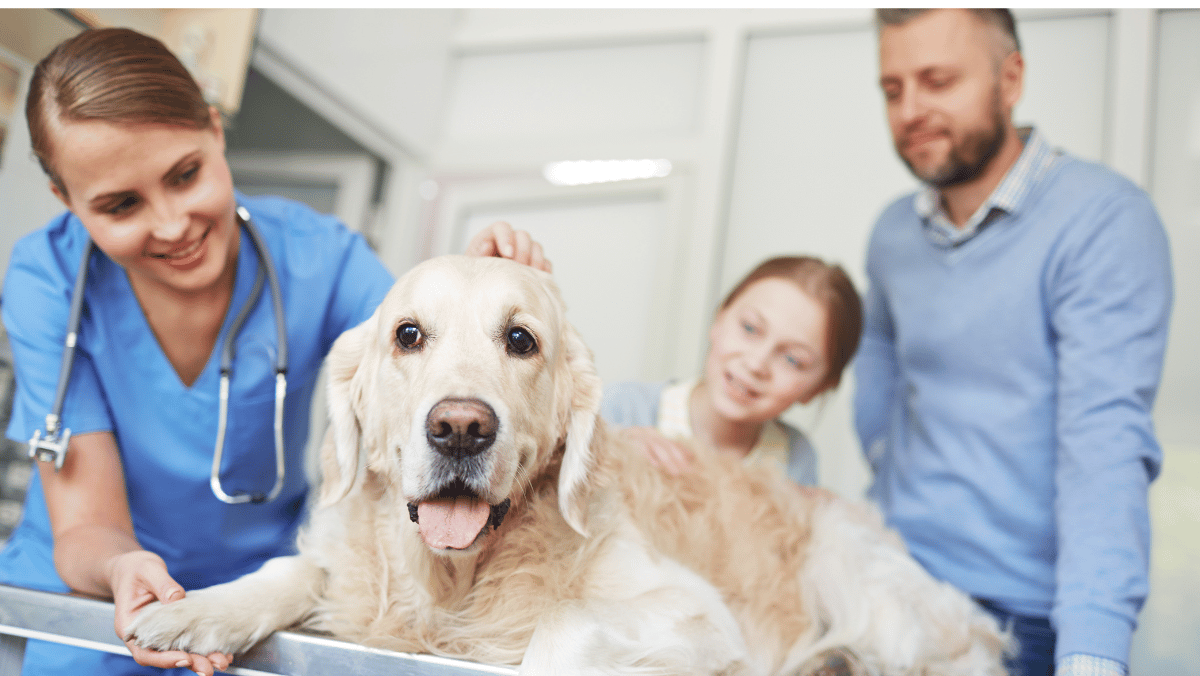
A few years ago, I stood in an exam room with a holistic-minded guardian whose dog needed emergency sedation for a life-saving procedure. She burst into tears and whispered, “He’s not going to be natural anymore.” My heart broke—not just for her fear, but for the guilt she carried. Somewhere along the way, she’d internalized the belief that using a conventional tool meant failure.
That wasn’t an isolated moment. I continue to see well-intentioned guardians paralyzed by fear—torn between their ideals and their pet’s urgent needs. Online forums and holistic circles often reinforce the idea that anything conventional is harmful, leaving little room for nuance.
This mindset becomes dangerous when being “natural” overshadows being effective. When ideology overrides situational wisdom, it’s the animals who suffer.
The Cost of Hesitation
I’ve seen the stress and anxiety dog guardians carry when their pets face serious illness—especially when the treatment may involve conventional medicine. I can almost hear the mental reels playing and all the reasons they believe they shouldn’t stray from the natural path.
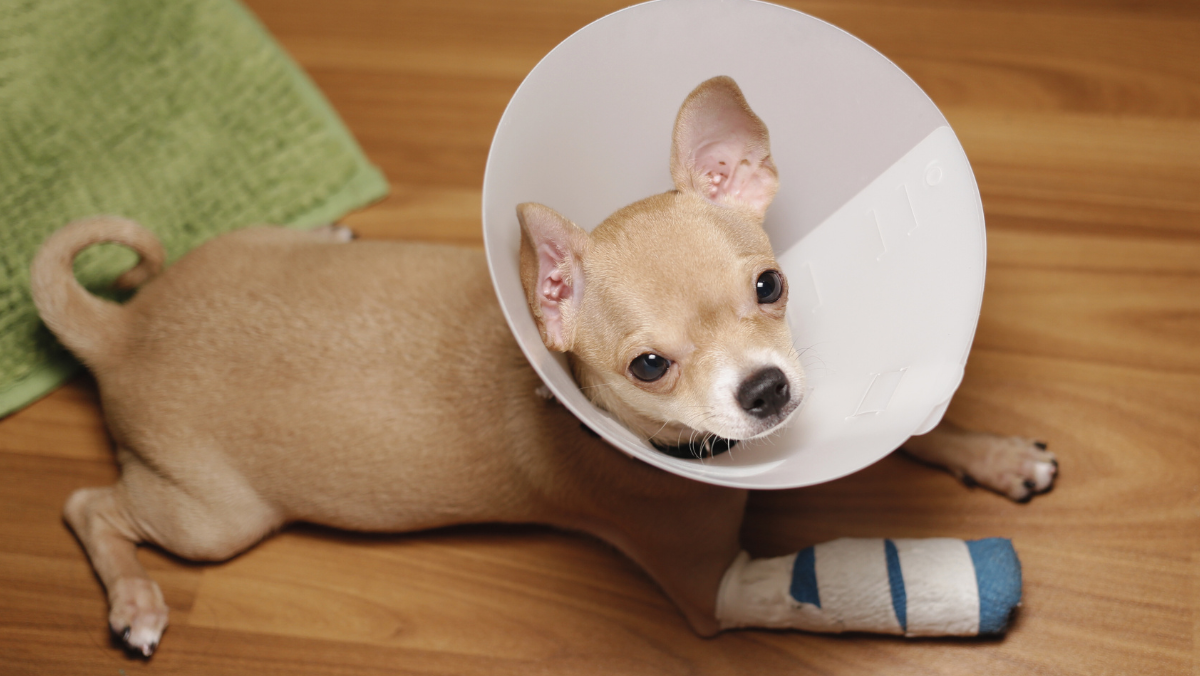
I’ve watched dogs suffer—not because their people didn’t care, but because fear of side effects outweighed the reality of the life-threatening condition in front of them.
I feel for these guardians. They’re walking a tightrope between natural and allopathic care, trying to do what’s best while juggling conflicting messages. And honestly, I feel some responsibility. I think of the Facebook posts I’ve written—about the overuse of antibiotics, the risks of steroids, the side effects of pain meds—and I realize I may have contributed to the belief that it’s all or nothing: natural or bust.
But the truth is, when a pet is in crisis, timely intervention matters. We can’t afford to freeze up or delay because of ideology. Once the immediate danger has passed, then we return to the gentler, holistic tools that support recovery and long-term wellness.
That’s what integrative medicine is really about: discernment. Knowing when to act decisively—and how to heal afterward.

The Power—and Limits—of Research
We live in an amazing time. Pet parents are empowered, researching herbs, reading studies, exploring energy medicine. I love it. I teach it.
But when a pet is in crisis, research isn’t enough. In those moments, there’s no substitute for experience. No article or YouTube video can replace the judgment that comes from years of practice, mentorship, and hands-on care. In emergencies, that instinct—built from repetition and failure and success—can mean the difference between life and loss.
Well intentioned people don’t know what they don’t know. That’s not a flaw—it’s reality. But it’s why humility and discernment matter more than ever, especially when time is critical.
Conventional Medicine Has Its Flaws—And Its Place
 I’ve seen the dark side of conventional medicine too: antibiotics prescribed for every bout of diarrhea, senior pets over-vaccinated out of habit, medications stacked on top of each other without ever addressing the root cause.
This isn’t usually due to neglect or bad intentions. It stems from a system built around protocols rather than personalized care. It’s one of the reasons I left the ER—not to abandon medicine, but to reimagine it. To build something more flexible, more thoughtful, and more respectful of the body’s innate wisdom.
But just as conventional medicine can miss the mark, so can holistic care—when it rejects lifesaving interventions in the name of purity.
Integration Is Not Compromise—It’s Strategy
I’ve used lidocaine to stop deadly arrhythmias. I’ve administered norepinephrine to stabilize crashing blood pressure. I’ve seen NSAIDs bring mobility and joy back to senior dogs when holistic options had been exhausted.
These weren’t failures of natural medicine. They were decisions made with clarity and precision—tools chosen at the right moment, for the right patient, with the full intention of returning to gentler paths when the time was right.
True holistic care includes conventional medicine—not as a fallback, but as part of the full spectrum. Integration means using every available option to support healing: herbs, pharmacology, nutrition, energy medicine, surgery, intuition—all in context.

Holistic Means Whole
The best holistic practitioners I know aren’t afraid of conventional tools. They’re grounded in science, sharpened by experience, and guided by wisdom. They don’t preach purity—they practice discernment. They know that true healing isn’t rigid—it’s responsive.
To me, holistic medicine means whole medicine. It means holding space for the body, the moment, and the long-term picture. It means knowing when to act—and how to support the healing journey afterward.
Final Thoughts: Choose Balance, Not Absolutes
If you’ve ever felt overwhelmed by the pressure to “stay natural” during a health emergency, you’re not alone. I’ve seen the worry, the fear of making bad decisions and the heavy burden of trying to get everything “right.” But opting for a conventional treatment when it’s truly needed doesn’t make you less holistic—it makes you responsive and deeply committed to your animal’s wellbeing.
We need to let go of all-or-nothing thinking. Holistic care isn’t about sticking to rules—it’s about responding with insight and intention.
Our animals deserve care that honors both instinct and science, tradition and innovation. And you deserve to go easier on yourself as the dedicated guardian who is doing the best they can.
Written by Dr. Lynda Loudon
Founder of the Dog Mom Society
One Comment
Comments are closed.




















Thank you so much for writing this. It is a dilemma that I face, though I do believe that an integrative approach is essential to care for our pets. I always look for a natural solution, but if that’s not possible it has to be an alternative approach. My whippet was seriously ill at 5 months old. Vet suspected Parvo, but it wasn’t. I think he picked up poison on a walk. If it hadn’t been for my Vet’s fast action, I’m sure that he wouldn’t have survived. Although, unfortunately, he had to be given Metronidazole, he lived and I’ll be forever grateful to my Vet for her actions.