
Why Your Loving Presence Means More Than Anything Else
When a beloved pet is diagnosed with a terminal illness, the weight of responsibility can feel crushing. As a devoted guardian, you may feel torn between hope and heartbreak—between doing everything possible to prolong their life and simply being with them as they begin their final journey.
One of the most common beliefs I see in my work is this:
“It’s my job to keep them alive as long as I can.”
But I want to gently challenge that belief.
After 24 years of working in emergency veterinary medicine and home euthanasia care, I’ve seen thousands of families walk this path. And what I’ve learned is this:
Your pet doesn’t want you to save them. They want you to be with them.
Presence Is the Greatest Gift You Can Offer
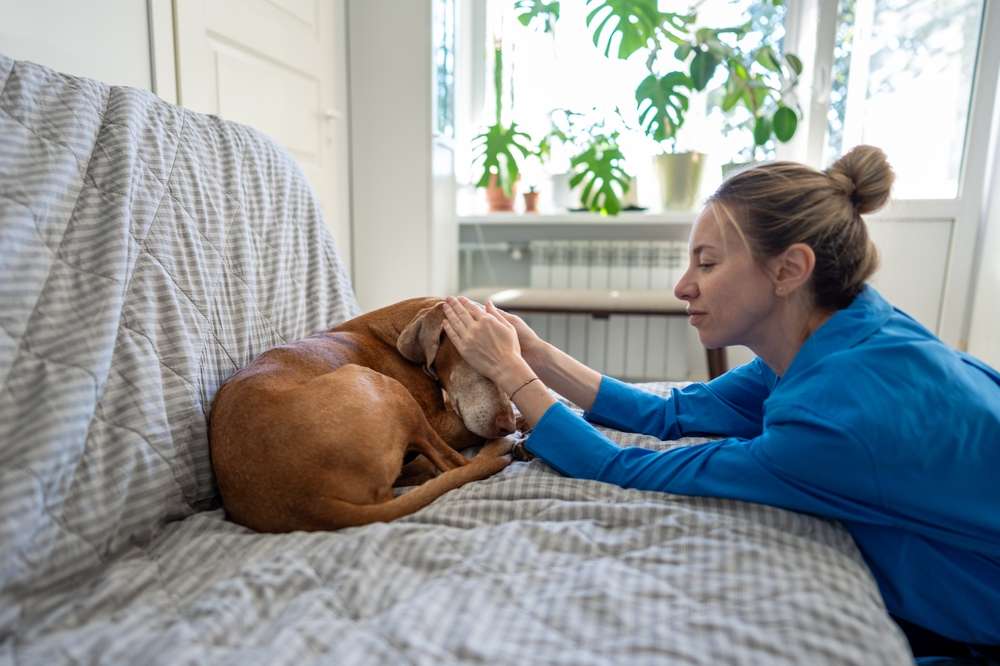
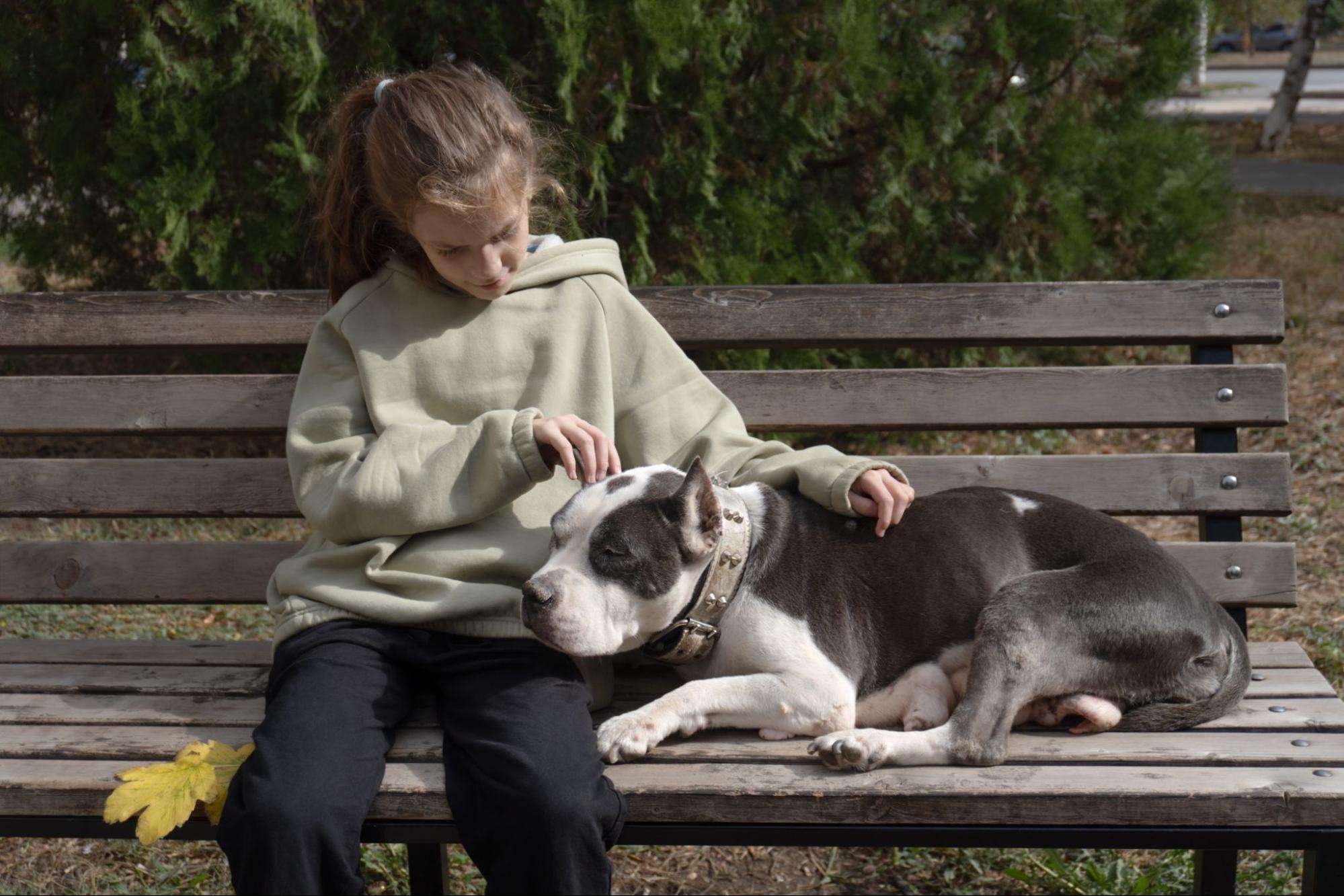
When I say presence, I don’t just mean physically being near them. I mean your undistracted, unhurried, fully attuned self—your heart wide open, your mind quiet, your hands soft on their fur.
Pets don’t cling to life the way we humans do. They don’t view death with fear or regret. They aren’t measuring time in days or weeks—they are measuring it in moments. Connection. Love. And that means the most healing and honoring thing you can do is to be there, truly be there, for whatever time you have left together.
A Personal Story: Joey’s Final Chapter
When my heart dog, Joey, was diagnosed with hemangiosarcoma, I was devastated. As a veterinarian, I sprang into action: we went to surgery, and I consulted with trusted homepathic vets to create a plan moving forward. But once that was decided, I made a conscious decision:
I let go of the pressure to prolong his life.
Instead, I focused on the quality of our time. I stopped obsessing over how many more weeks we might have and instead turned toward how fully I could show up for him every day.
We did the things we loved—long walks, soft cuddles, and early morning quiet time together, just the two of us. I didn’t think it was possible for our bond to grow any stronger, but it did. In those last five months, Joey and I shared the most intimate, peaceful, love-filled time of our entire life together.
And I am so grateful I didn’t miss that.

Holding On Too Tightly Can Make Letting Go Harder
In the thousands of transitions I’ve witnessed in my home euthanasia practice, I’ve noticed a pattern:
The only pets who seem to resist the process are those whose guardians are holding on too tightly—often from fear, guilt, or unresolved grief.
When we cling to our pets out of desperation, when we say, “I can’t let you go,” the energy becomes heavy. These pets can struggle to relax, have difficulty accepting sedation, and linger in a state of confusion or unrest.
But when the guardian is centered in love, grounded in acceptance, and fully present with the pet—the transition is peaceful, sacred, and even beautiful.
What Your Pet Really Needs
Your job is not to cure the incurable.
Your job is not to fight death.
Your job is simply this:
To love.
To be present.
To walk this final path together with compassion, grace, and reverence.
Support your pet’s comfort. Create a space of peace. Seek guidance if needed. But don’t let the pursuit of “doing enough” steal away these final moments.

In Closing
This chapter of your life with your pet is incredibly precious. It holds the potential for deep spiritual connection, healing, and profound love—if you are present enough to receive it.
So please, give yourself permission to stop fighting and start being.
Let the final gift you give your beloved companion be your presence, your love, and your willingness to let go when they’re ready.
That, more than anything, is what they want.
Here is a mantra I share with my pet guardians:
Mantra for the Transition
“I love you. I hear you. I release you.
You are free now—free to run, free to fly, free to return to the stars.
Thank you for walking this life with me.
You are not leaving me—you are becoming part of everything.
Go with love. I will meet you again.”
With love,
Dr. Lynda Loudon
Founder, Peaceful Transitions Home Euthanasia