
Introduction
Introduction
Every dog lover dreads the unthinkable—a sudden, devastating diagnosis that leaves little time to act. Hemangiosarcoma is just that kind of monster: a fast-moving, nearly invisible cancer that strikes dogs without warning. While genetics and age play a role, a growing body of research—and heartbreaking personal stories—points to a more insidious culprit: pesticide exposure.
I know this all too well. Two years ago, I lost my boy Joey to hemangiosarcoma. He was healthy, vibrant, and part of everything I did—fed a raw diet, minimally vaccinated, and never treated with pesticides directly. But years earlier, we had treated our yard. I thought we were being responsible. When Joey got sick, I became obsessed with understanding why. What I found changed the way I see lawn care forever—and it might change things for you too.
Understanding Hemangiosarcoma
Hemangiosarcoma is a malignant cancer that develops in the endothelial cells lining blood vessels. It most commonly targets the spleen, heart, and liver. Because of its stealthy nature, it often goes undetected until it causes internal bleeding or collapse. Joey had regular vet checks and even ultrasounds. Still, the cancer caught us by surprise.
The Pesticide Puzzle: How Everyday Chemicals Could Be Fueling Canine Cancer
When I began researching potential causes of Joey’s illness, I was stunned by how much scientific literature pointed toward environmental toxins—especially pesticides. Let’s explore what the research actually says. When I began researching potential causes of Joey’s illness, I was stunned by how much scientific literature pointed toward environmental toxins—especially pesticides. Let’s explore what the research actually says.
What the Studies Say: A Literature Overview
- Household Pesticides and Canine Hemangiosarcoma
A 2004 study published in Environmental Health Perspectives found a potential link between household pesticide use—particularly lawn and garden chemicals—and a higher incidence of hemangiosarcoma in dogs. The study, which used dog-owner surveys, relied on retrospective data, which introduces recall bias, but still showed a pattern too loud to ignore. Dogs truly are environmental proxies for us humans, and their exposure often mirrors our own. - Golden Retrievers, Pesticides, and Genetic Susceptibility
In 1998, the Journal of the American Veterinary Medical Association examined risk factors in Golden Retrievers, a breed especially prone to hemangiosarcoma. Environmental exposures, including pesticides, were flagged as possible triggers, along with breed-specific vulnerabilities. The study hypothesized that certain herbicides and insecticides may cause mutagenic damage to the vascular system—a known precursor to this type of cancer. - Rodent Models and Chronic Exposure
Animal models deepen the concern. A 2011 study in Toxicologic Pathology showed that rodents exposed chronically to organophosphates and chlorinated hydrocarbons (common in pesticides) developed vascular tumors at a higher rate. The mechanism? Likely a mix of oxidative stress, which damages DNA, and dysregulated angiogenesis—the uncontrolled formation of new blood vessels, which tumors thrive on. - Herbicide-Induced Tumors in Lab Studies
In 2007, Regulatory Toxicology and Pharmacology documented vascular tumors (like hemangiosarcoma) in rodents following high-dose, long-term exposure to herbicides, particularly phenoxyacetic acids. While these doses exceed typical backyard use, they raise red flags about chronic low-level exposure—the kind our pets face if they live on chemically treated lawns.
Preliminary Interpretation:
Most of this evidence comes from animal studies—dogs and rodents—under conditions of high or prolonged exposure. Still, the mechanistic insight is consistent: some pesticides disrupt endothelial cell regulation via oxidative stress and angiogenesis-related pathways, both of which can facilitate vascular tumor growth.
How Are Dogs Exposed?
Even if you don’t apply pesticides directly to your dog—or even your own yard—exposure can happen easily:
- Walking or rolling on recently treated grass
- Licking paws after walks
- Drinking from puddles or runoff areas
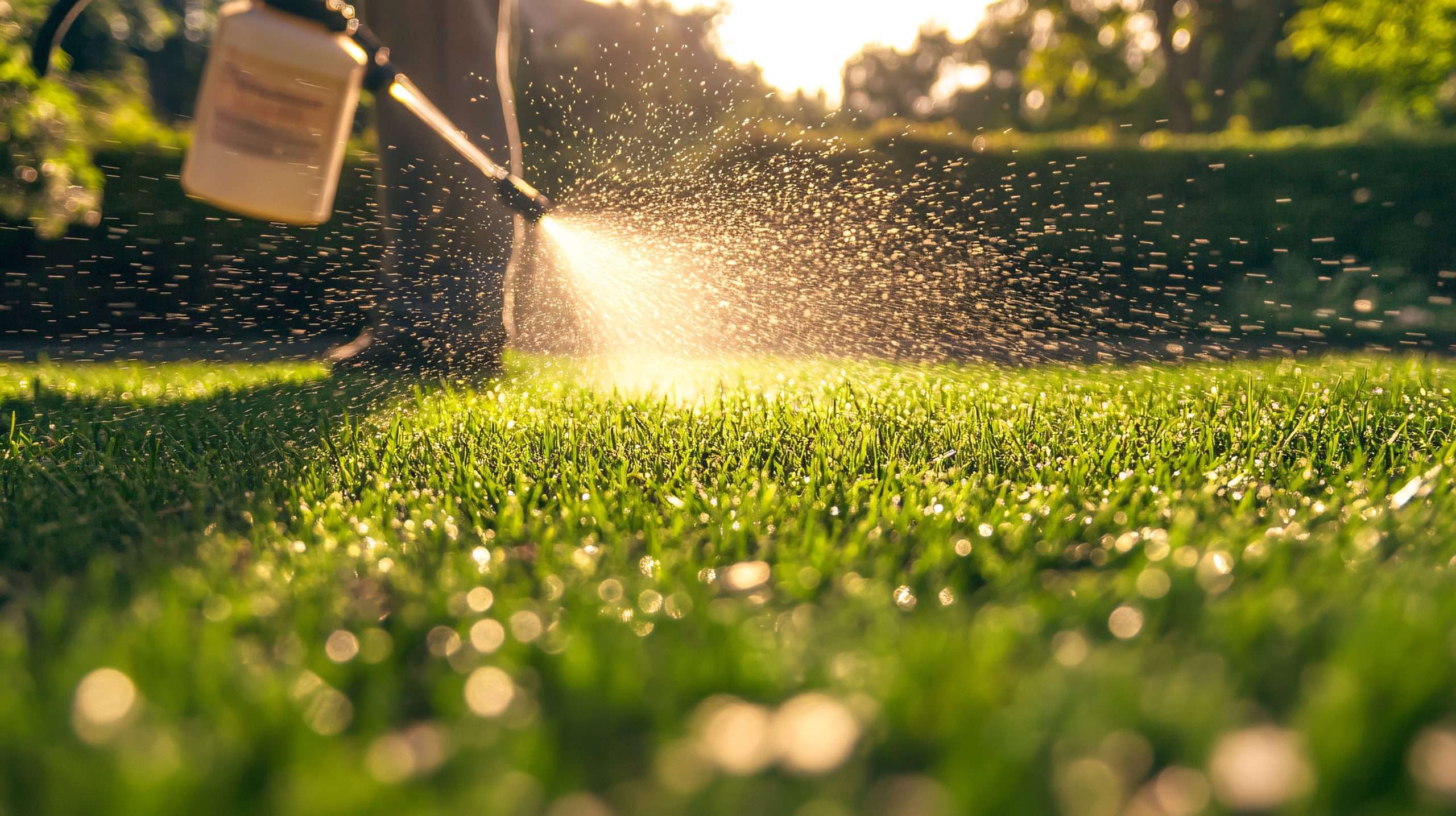
- Inhaling residues during or after application
Every trip to the park, stroll through the neighborhood, or roll in a freshly cut yard can add to a dog’s cumulative exposure.
Protecting Your Dog: What You Can Do Now
Here’s how you can reduce your dog’s risk without becoming overly cautious or anxious:
Switch to Pet-Safe Lawn Care
Choose organic, pesticide-free lawn products. If you handle your own lawn care, you have full control over what’s used.
Avoid Treated Areas
If a lawn has been treated with chemicals, keep your dog off for at least 72 hours. Wet weather may require a longer wait.
Wipe Your Dog’s Paws After Walks
Especially after visits to parks or public spaces, cleaning your dog’s paws and coat can help limit chemical residues from entering their system.
Ask Questions
If you use a lawn service, ask exactly what products they apply. Look for transparency and insist on safer alternatives.
Get Involved Locally
Consider joining or starting efforts to make local parks and community areas pesticide-free.
Use Natural Flea & Tick Products To Protect Your Dog
Many commercial flea and tick products contain harsh pesticides that linger on your dog’s skin and can be absorbed into their bloodstream—posing long-term health risks. Thankfully, there are effective, natural alternatives that don’t compromise your pet’s well-being. Essential oil blends, diatomaceous earth, and dietary support are some of the measures that can help keep pests at bay without the toxic load. If you’re looking for safer solutions, check out my blog on how to protect your dog from fleas and ticks naturally, without resorting to harmful chemicals.
Conclusion
Hemangiosarcoma is a devastating disease that often strikes without warning. Sadly, many everyday choices—such as over-vaccination, early spay/neuter procedures, ultra-processed diets, and especially the use of toxic lawn pesticides—may be quietly shortening our dogs’ lives. But pesticides aren’t the only concern. To learn more about the other predisposing factors for hemangiosarcoma—and how you can take proactive steps to help protect your dog—check out my blog on hemangiosarcoma.
I did everything I could to give Joey a healthy, natural life. But in the end, I believe the pesticides on our lawn—and those of our neighbors—contributed to the cancer that took him from me.
I wish I had known then what I know now. Sharing Joey’s story is my way of helping others see the risks and make safer choices.
Protect your dog the way they protect your heart—fiercely, loyally, and every single day.
FAQs
What is hemangiosarcoma, and why is it so dangerous?
It’s a fast-growing, aggressive cancer originating in blood vessels. It often causes sudden internal bleeding with no prior symptoms.
Are all pesticides dangerous to dogs?
Not all, but many commonly used herbicides and insecticides—especially glyphosate, organophosphates, and phenoxy herbicides—carry potential cancer risks. Choose natural protection instead.
Can my dog get sick even if I don’t spray my lawn?
Yes. Dogs can be exposed through public parks, neighborhood lawns, or drifting airborne residues.
One Comment
Comments are closed.

















My dog Lulu who was diagnosed with hemangiosarcoma many years ago. We didn’t realize that having a new carpet installed in the basement with carpet adhesive could have caused that but I believe it was a contributing factor. We weren’t thinking about it because we had a flood in our basement that was a full finished basement. I think people don’t understand their pets chemical exposure. So if you add in weed killers and pesticides outside, topicals that are black box and when you’re having some work done in your home and there’s some kind of adhesive or spray or some kind of chemical being used, especially if it’s flooring or on the ground it can really affect their health. They’re standing on it with their paws. Then they lick their paws and injust it. We usually have socks or shoes on but they’re in direct contact with hazardous chemicals.