
My Dog Hates Other Dogs — Now What?
You picture it before the dog even comes home: the hikes, the playdates, the lazy afternoons at your friend’s backyard BBQ while your dog trots around happily with the others. You imagine a sidekick who fits seamlessly into your social life, who brings more joy to already joyful places.
But then it doesn’t go that way.
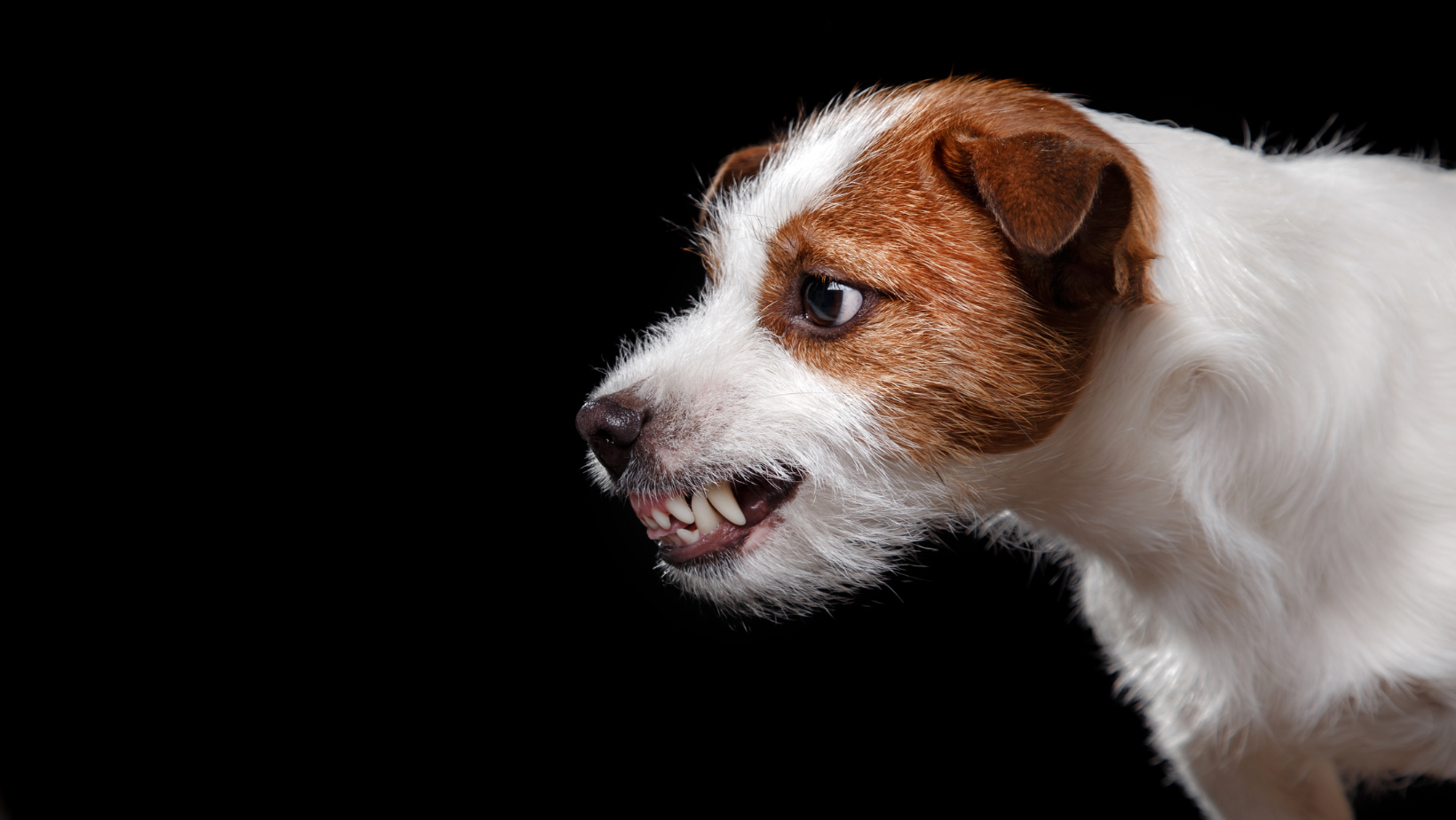
Your dog growls. Lunges. Maybe even snaps. Walks feel like tactical missions. Invitations to bring your pup along come with a silent asterisk: as long as it’s safe. The dream starts to fade. And in its place comes a gnawing question—what went wrong?
Why It Happens — And Why It’s Not Your Fault

Dog-directed aggression doesn’t come out of nowhere—but it also doesn’t mean you did something wrong.
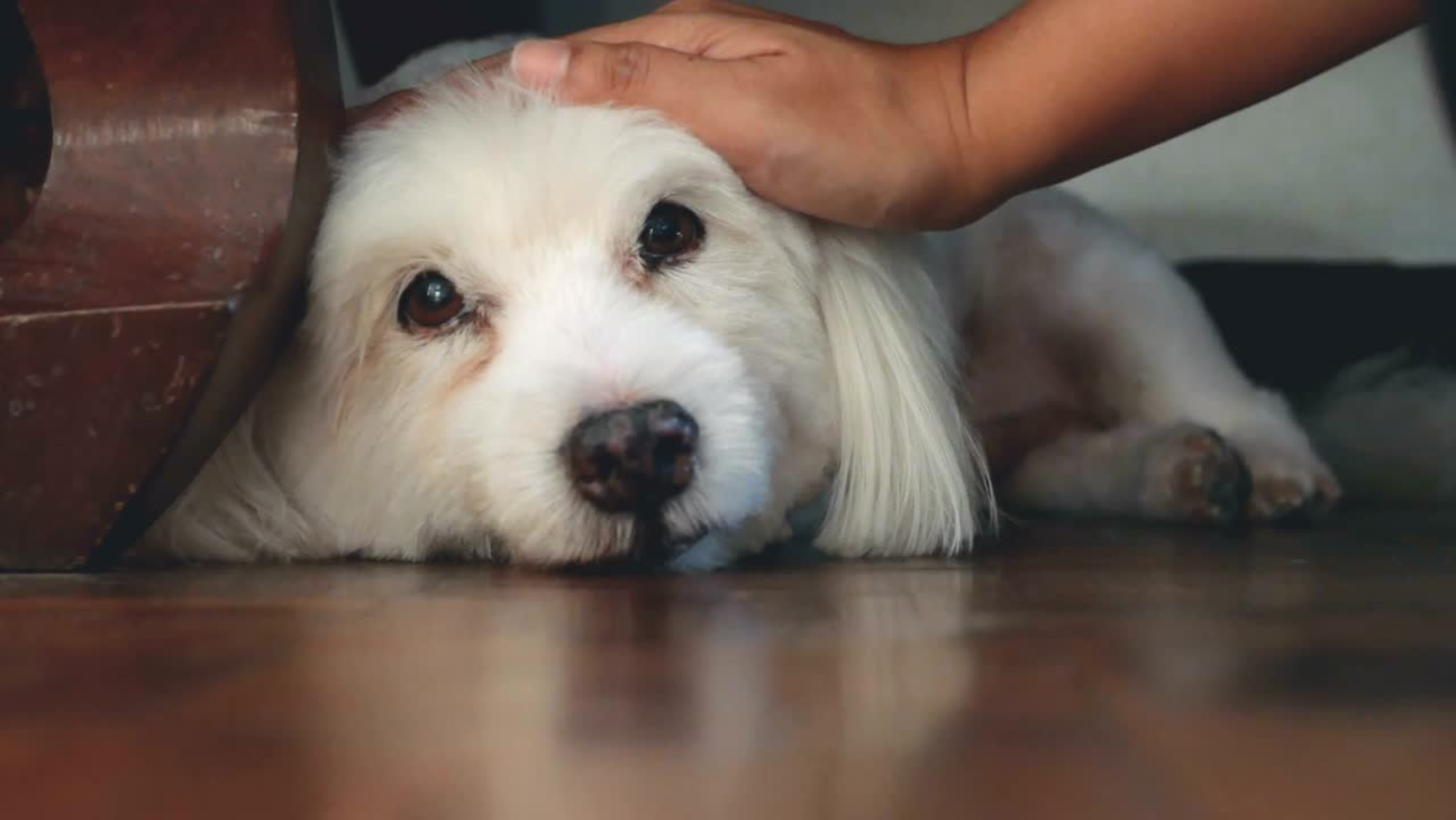
Aggression is communication, not character. It’s your dog saying: I’m scared. I’m overwhelmed. I don’t feel safe. Understanding why it happens can help you meet your dog with more compassion—and a more realistic game plan.
Genetics Matter
Some dogs are biologically wired to be more reactive or defensive. Studies have linked certain genes to fear responses, high arousal, and territorial tendencies. This doesn’t make a dog “bad”—just more sensitive, and in need of thoughtful handling.
Early Experiences Shape the Brain
The early weeks of a dog’s life matter deeply. If your dog missed out on safe, positive interactions with other dogs—or had a frightening experience during a critical period—it can lead to lasting discomfort or defensiveness.
Fear Is a Common Root
A lot of what we label as “aggression” is actually fear. Growling, lunging, or barking can be your dog’s way of saying, I need space. It’s not about dominance—it’s about survival instincts kicking in.
Frustration Can Boil Over
Dogs who want to engage but can’t—because of a leash, a fence, or a stressful environment—may develop “leash reactivity.” What starts as excitement can turn into barking, pulling, or snapping when they’re overstimulated or denied access.
Some Dogs Just Don’t Like Other Dogs
And that’s not a flaw. Not every dog is social, and not every dog wants to share their human with other animals. Some dogs genuinely prefer human companionship, one-on-one time, and peace without the pressure of interacting with other dogs. It’s not unusual—it’s a personality.
Sensory Overload and Stress
Noisy parks, crowded sidewalks, or even another dog’s energy can be too much for some dogs. Once they hit their threshold, they can’t think—they just react.
Your Handling and Energy Do Have an Influence
Dogs are incredibly sensitive to our energy, body language, and consistency. If we’re tense, they feel it. If we’re unsure, they notice. And if our expectations are unclear, it can create confusion or stress that feeds into reactivity.
You’re not responsible for your dog’s wiring, but your influence can help them feel safer and more understood.
It’s Okay to Grieve the Vision You Had
 No one tells you that owning a reactive or aggressive dog comes with grief. But it does.
You’re not just managing behavior—you’re letting go of the dog park afternoons, the friendly pack walks, the effortless social life you dreamed of. You’re also letting go of the image you held of “the perfect dog.” That loss is real. And you’re allowed to feel disappointed.
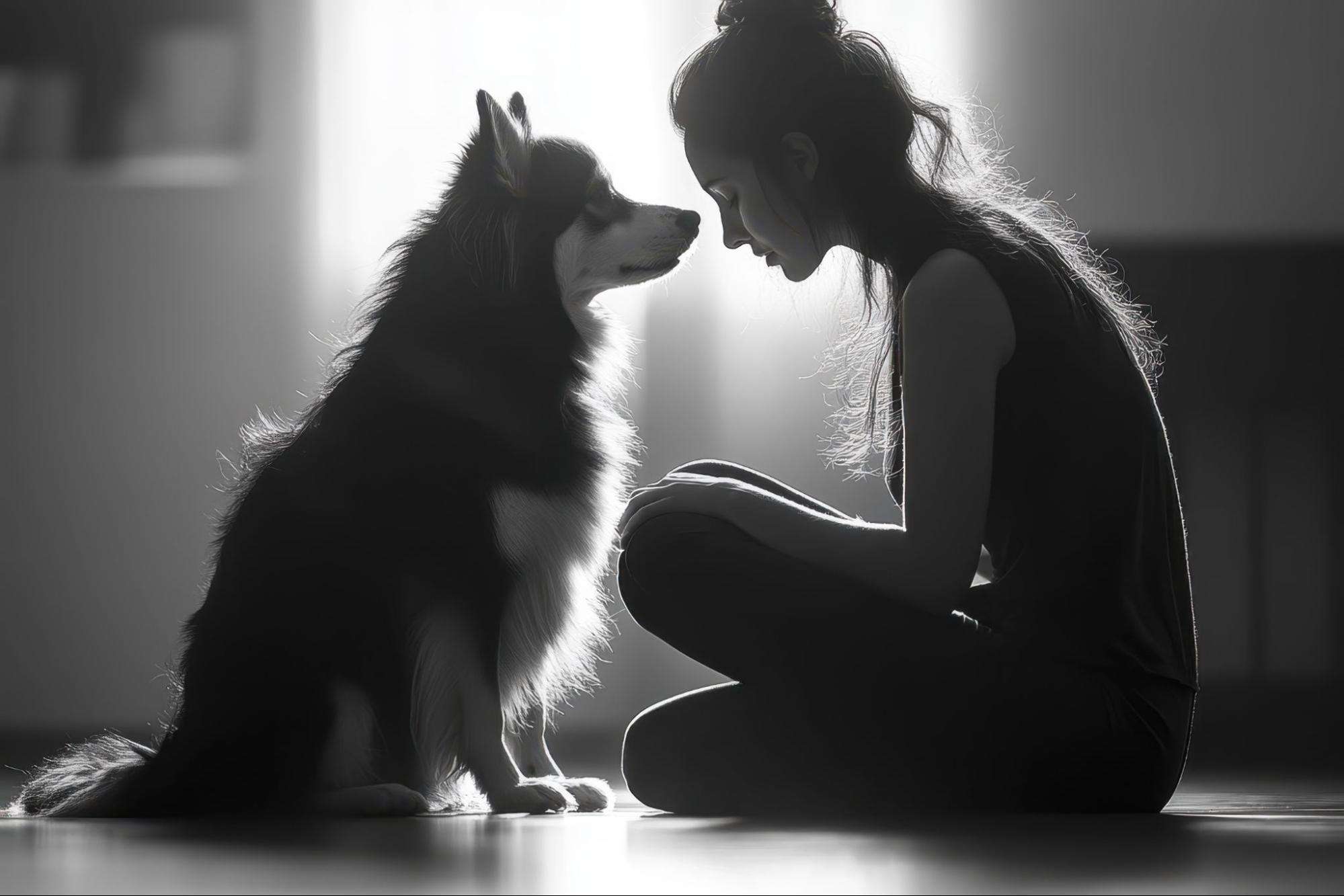
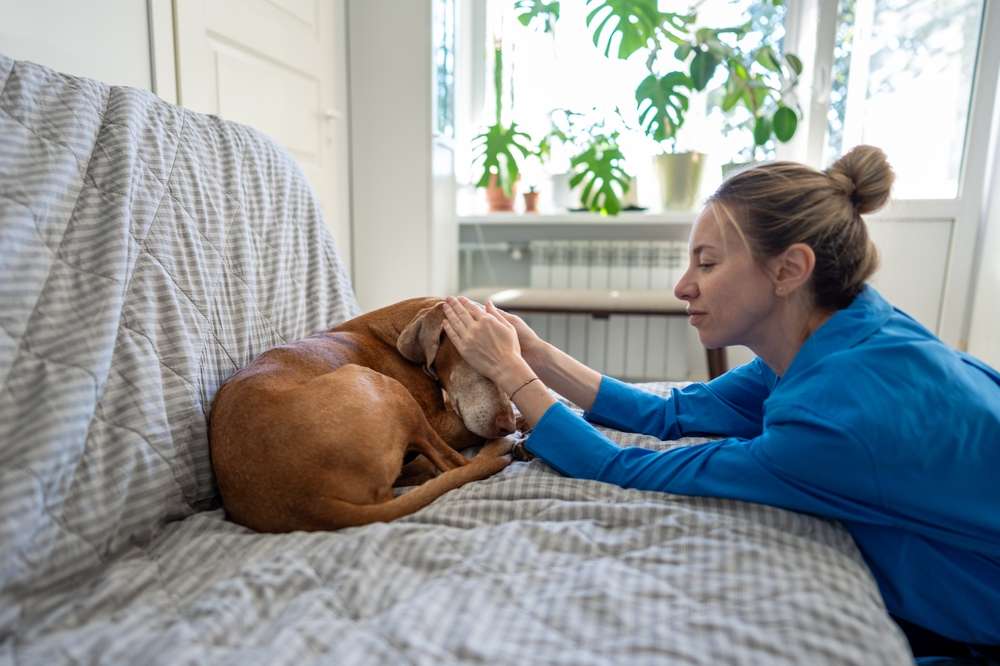
But here’s the other side: it’s also an invitation. An invitation to grow as a dog guardian, to return the unconditional love your dog gives you, and to accept them fully for who they are—without wishing they were different.
I remember the first time Joey growled at another dog during a walk. He had never shown aggression before, but things had shifted in his world. His bonded partner had passed away, and a new tiny dog named Maisy had joined our pack. I believe it was the combination of losing the safety of his partner and gaining the responsibility of protecting a little one that pushed him into a new role—one that came with dog aggression on walks.
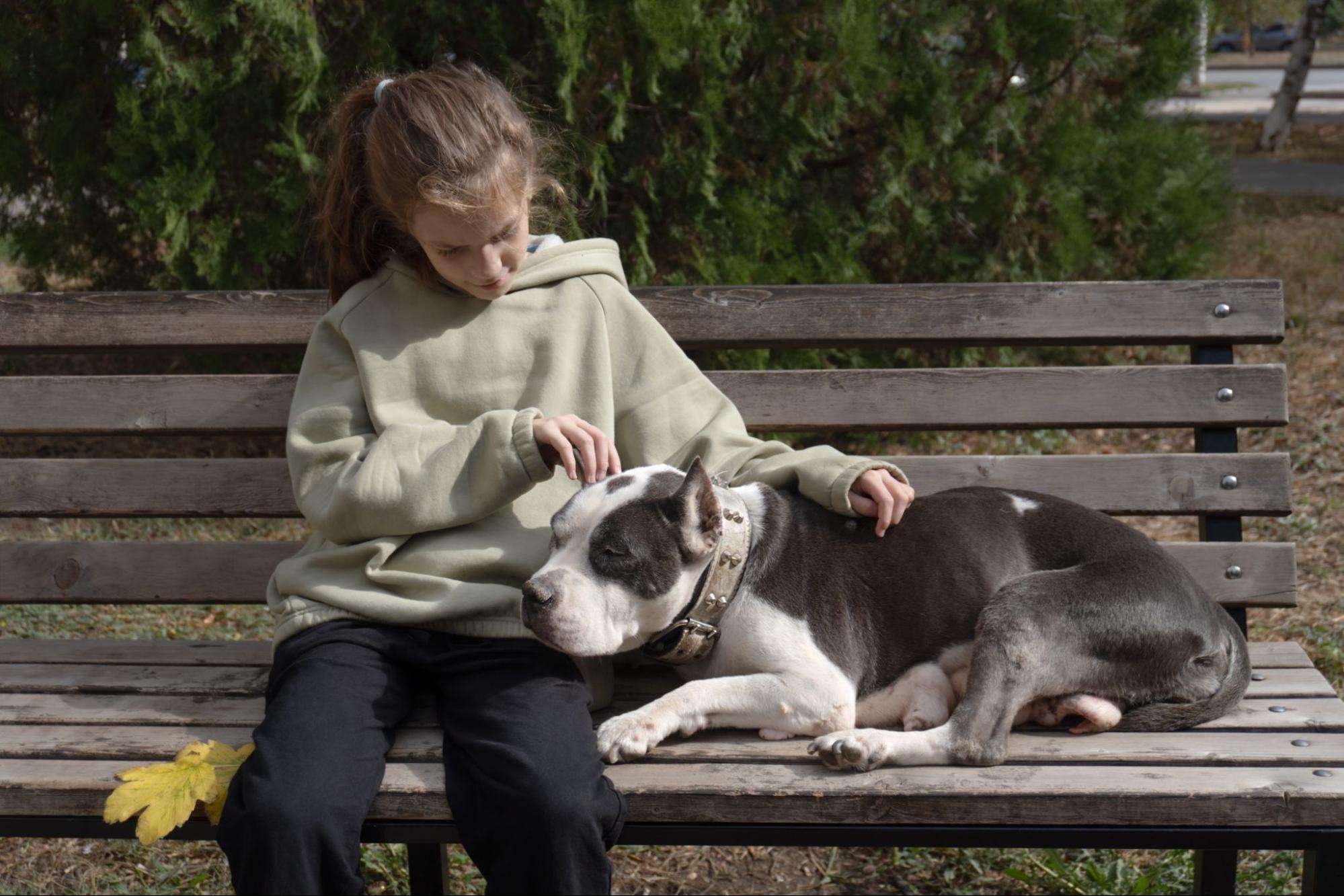
I was devastated. He was a pit bull, already carrying a heavy stigma, and now this. As both a dog trainer and a vet, I threw myself into solutions. I tried everything. I made a plan. I adjusted routines. I worked hard. But despite all my efforts, Joey made it clear: he no longer wanted to hang out with strange dogs.
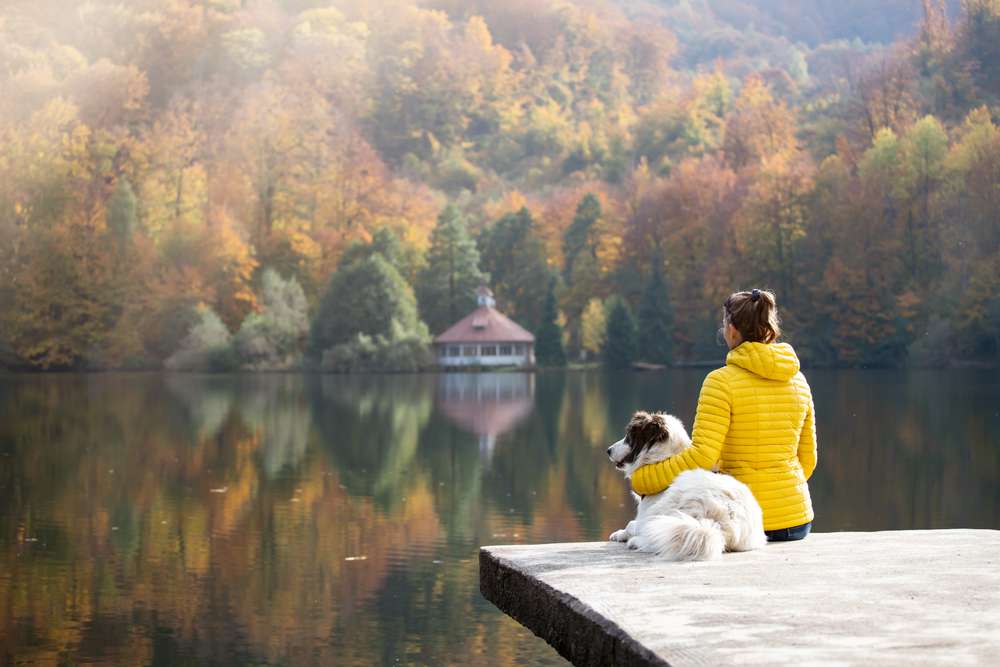
So I accepted it. And I loved him—for all of who he was, not just the parts that fit the picture I once imagined.
Things You Can Try — Gently, Thoughtfully, and With Care
Before settling into acceptance, it’s completely valid to explore whether your dog’s behavior can shift with the right tools and environment. Here are some methods that many dog guardians have found helpful—not as quick fixes, but as long-term investments in trust, calm, and clarity.
1. Desensitization & Counterconditioning
Gradually expose your dog to other dogs at a distance where they feel safe. Pair that exposure with something they love (treats, toys, praise). Over time, their brain starts to associate dogs not with threat, but with good things. It’s slow work, but powerful.
2. Teach a Reliable “Look at Me” or “Focus” Cue
This can be a lifesaver on walks. When your dog sees another dog, you can gently redirect their attention back to you. It gives them a job to do instead of spiraling into reactivity. Start in a quiet space and build up.
3. Use Distance to Your Advantage
You don’t have to march right into the middle of a trigger. Observe your dog’s threshold—the point where they go from calm to alert to reactive—and work far below it. Over time, that threshold can widen.
4. Leash Decompression Walks
Let your dog sniff, meander, and lead the pace (on a long line in a safe space). It reduces frustration and builds trust. A decompressed dog is more open to learning and less likely to carry tension into future interactions.
5. Practice Calm Greetings with Carefully Chosen Dogs
If your dog shows curiosity more than outright hostility, and you have access to a calm, neutral dog, controlled introductions might help. Always go slowly, parallel walk at a distance first, and never force engagement. Respect your dog’s signals.
6. Incorporate Scent Work and Problem-Solving Games
Mental enrichment lowers overall stress levels, which can make reactive behavior less intense. Tired brains make better choices. Try hiding treats for sniffing games or introducing puzzle feeders to build confidence and calm focus.
7. Try a Front-Clip Harness or Head Halter
These tools give you better control without choking or escalating frustration. They’re not a solution in themselves, but they give you breathing room while you work on the deeper stuff.
8. Work with a Certified Behaviorist
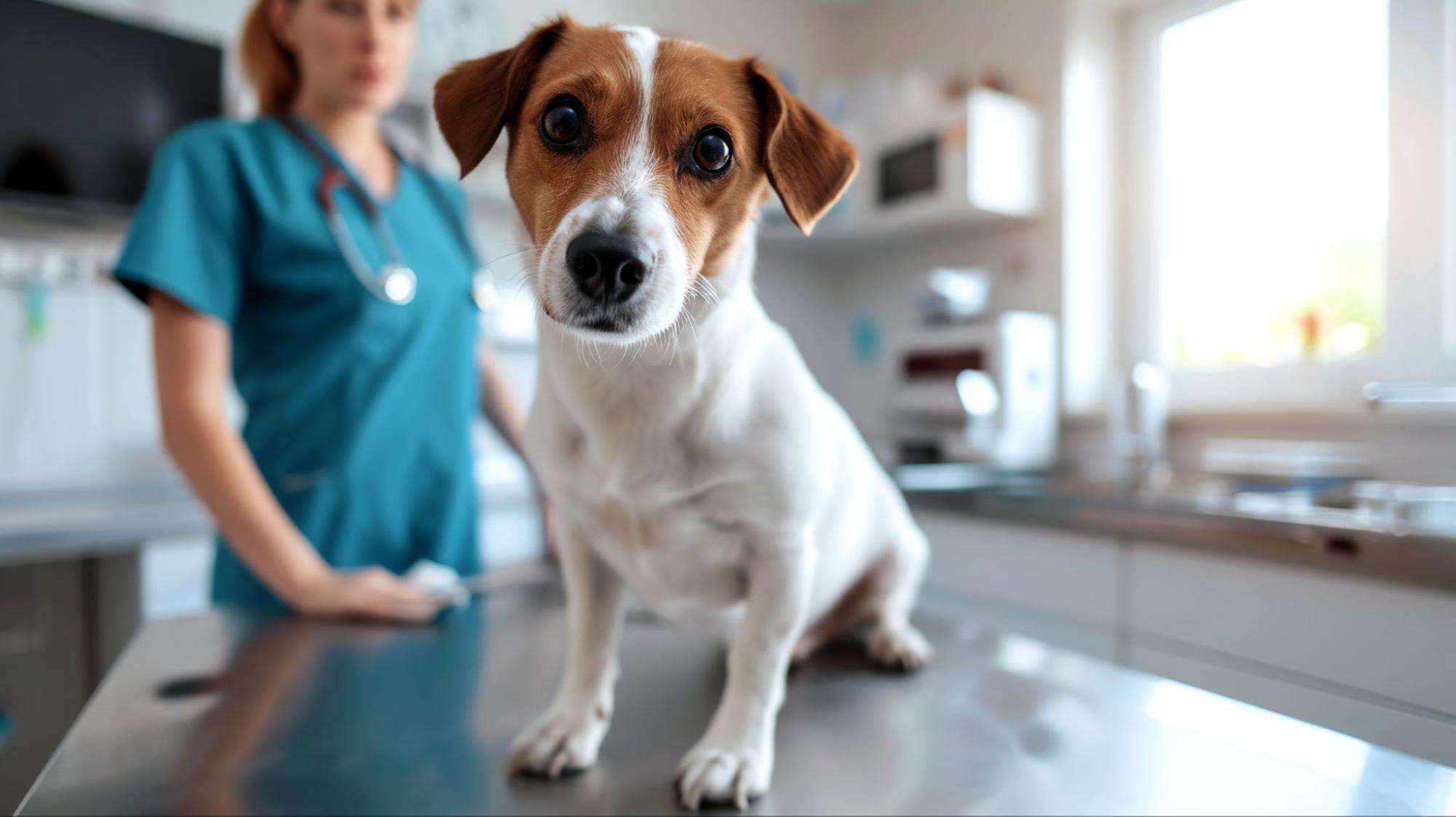
This is worth repeating. A qualified professional can assess what’s actually going on and guide you with a personalized plan. Every dog is different—what works for one might not work for another.
9. Consider Holistic Veterinary Support
Some dogs live in a near-constant state of anxiety. In those cases, short- or long-term supplements can take the edge off enough for behavior work to actually land. It’s not giving up. It’s giving your dog a fair shot.
Love Doesn’t Always Look Like We Expected
Try the recommendations above with gentleness, patience, and realistic expectations. Some dogs may change—others may not, and that’s okay. If the progress you hoped for doesn’t come, it isn’t failure. It’s simply an invitation to honor your dog’s choices and needs, and to build your bond around the life they do want to live.
Loving a dog with aggression toward other dogs asks us to show compassion and patience, but it also challenges us to expand how we define love. Not for the dog we imagined, but for the one standing in front of us.
The truth is, not all dogs are dog-social. That’s not a flaw; it’s just who they are. And when we stop trying to press them into the mold of the “perfect friendly dog,” we discover a different kind of relationship—quieter, maybe, but no less meaningful.
You and your dog can still share an incredible life together. It may not look exactly like the picture you once had in mind. But different doesn’t mean less.
In fact, sometimes it turns out even more beautiful than you expected.
Looking for a Clear Plan to Support Your Reactive Dog? Download the Full Checklist.
Grab Dr. Loudon’s complete guide, packed with clear action steps, training tools, enrichment ideas, and safety tips to support your dog’s progress. Whether you’re just getting started or looking for structure in your behavior plan, this printable is designed to keep you grounded, organized, and encouraged every step of the way.