How to Keep Your Dog Safe and Calm Through the Fireworks
If your dog has anxiety around loud noises, NOW is the time to prepare for the 4th of July. Acute, extreme anxiety can be especially...


If your dog has anxiety around loud noises, NOW is the time to prepare for the 4th of July. Acute, extreme anxiety can be especially...

With summer comes ample opportunity to spend quality time with your dog. I especially enjoy paddleboarding with our dog, Parker. If you plan to include your dog in summer activities, it is important to make smart choices that will keep him safe.

Making the decision to put your dog down is probably one of the most difficult decisions any of us will have to make. In order to know when it's time, it is important to know the signs of suffering. It is also important to know when all treatment options have been exhausted.

Owners are spending large sums of money for chronic medications that barely work, if at all. Many of these are medications that we don't know the long term effects of yet. The sad part of this is that owners may be inadvertently causing their dog's skin allergies while thinking they are doing everything right to care for him.

The thought of Lyme disease has many dog owners terrified. One of the biggest issues with Lyme disease is that there are too many differences in opinion and treatment protocols amongst veterinarians. Some vets put the fear of God into dog owners, while others don't make a big deal of it. Let's dive in a see who is right, shall we?
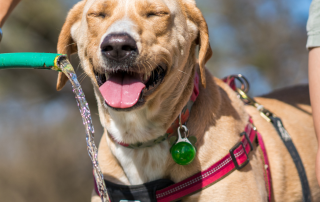
Are you as excited for summer as I am? Summer brings more opportunity for outdoor activities for you and your dog. There's swimming, hikes, water sports, dog parks, days spent in the backyard and more. As more opportunities for more fun with your dog arrive, so do the possibilities of illness or injury.

Diarrhea is a common issue that many dog guardians face at some point. While it can be concerning, being prepared and informed can make all the difference. In this blog, we'll delve into the causes of canine diarrhea, offer effective home remedies to manage it, and help you recognize signs that indicate when it might be more than just a passing discomfort. Your loyal companion's well-being is our priority, so let's navigate this together.

Canine arthritis often begins long before a dog ever limps. Subtle changes like slowing down on walks, slipping on floors, sleeping more, or losing interest in favorite activities are early warning signs that many guardians overlook. In this comprehensive guide, we explore how to recognize the earliest signs of arthritis, support joint health naturally, and use a whole-body, integrative approach—including nutrition, supplements, physical therapies, and targeted pain support—to help your dog stay comfortable, mobile, and engaged throughout their senior years.

Witnessing our dog's aging process is heartbreaking. However, if the symptoms of aging are recognized early, there are things you can do to delay the process. Today I will discuss cognitive dysfunction specifically. In next week's blog, I will go over arthritis management.

As Easter approaches, we must keep in mind that some traditional foods and gifts that we use to celebrate can be dangerous to our furry friends. Include your dog in the festivities while steering him clear of these five things...