
Key Points
- The root cause of chronic skin allergies in dogs
- How to boost your dog’s immune system
- Natural remedies to stop the itch for good
The prevalence and severity of skin allergies in dogs are on the rise, with a significant number of patients I encounter at the hospital exhibiting chronic allergy symptoms. This condition not only affects the dogs themselves but also strains the bond between them and their owners. The constant licking, biting, and chewing can be frustrating for owners, prompting them to separate from their pets, especially at night, while the dog may withdraw due to its discomfort.
Owners are investing substantial amounts in chronic medications, often with limited effectiveness and dangerous long-term impacts. Sadly, despite their best efforts, owners may inadvertently contribute to their dog’s allergies. It’s disheartening that it is not uncommon for guardians to consider euthanasia as a last resort to alleviate their dog’s suffering from allergies, which could have been unintentionally induced or poorly managed.
Skin Allergies Decoded
It’s time we look at the root cause—a weakened immune system. We have to take a look at what we are doing wrong in the caring of our dogs that is impacting their immune system and resulting in chronic conditions such as skin allergies.
So why are most dog’s Immune Systems so bad?
1. Poor Nutrition
It’s our country’s #1 cause of chronic illness in people, and it’s the same for our dogs. Most dogs are still fed highly processed dry kibble.
The Problem with Dry Kibble
- It’s made at high heat through a process called extrusion, which results in the loss of nutrients. This is why synthetic vitamins and minerals are sprayed on the dry food after processing. Extrusion also produces carcinogens
- It contains high starch carbohydrates
- Lacks moisture, causing chronic dehydration
- Contains feed grade ingredients
Check out my blog that dives deeper into why dry kibble is so awful.
Just like us, dogs need variety in their diet in order to support healthy gut flora. A healthy gut is essential to a strong immune system. Approximately 70-80% of your dog’s immune system comes from the gut.
 2. Over-Vaccination
I believe in vaccines when they are used appropriately. In humans, we get our vaccinations at a young age and then have lifelong immunity from most diseases.
Why, then, do we continue to vaccinate our dogs every single year, sometimes twice a year, for their entire lives? Especially when the core vaccines have been proven to be effective for 7–15 years.
Dogs are being vaccinated against diseases they either already have immunity against or are getting vaccinated for diseases that are non-life threatening, making these vaccines unnecessary. This has severe consequences for the dog’s immune system. Check out my articles on vaccines for more info: Vaccines, Non-Core Vaccines.
 3. Toxic Pesticides
The problem with poisoning fleas and ticks is that you also poison the host, your dog.
We must look at this with common sense and consider the possible deleterious effects this constant bombardment of toxic chemicals has on our dog’s bodies. The use of commercial pesticides can disrupt a dog’s immune system, leading to increased susceptibility to allergies and other health issues.
Check out my blog on flea and tick prevention for more details and how to safely protect against fleas and ticks.
4. Overuse of Medications Such as Steroids & Antibiotics
Steroids are frequently prescribed as a quick solution to alleviate itching, providing temporary relief. However, relying on these medications chronically without addressing the underlying issue can compromise the dog’s immune system, leading to worsening allergies. Overuse or chronic administration of steroids in these cases can notably weaken their overall immunity.
Antibiotics can play a vital role in eliminating pathogenic bacteria when infections are present. Yet, misuse or excessive use of antibiotics can disrupt the balance of beneficial bacteria in a dog’s gut, skin, and other areas, thereby compromising overall immune function.
Stop the Itch for Good
Why I don’t recommend Apoquel or Cytopoint
Apoquel is a commonly prescribed drug aimed at quickly alleviating itching in dogs, but its mechanism involves inhibiting essential immune system components known as JAKs, which play crucial roles in immune surveillance and response. By blocking these signals, Apoquel may provide temporary relief from itching, but it also compromises the dog’s immune function, potentially leading to long-term health risks and adverse effects. Studies have raised concerns about its safety, including reports of severe side effects and increased susceptibility to infections and cancers, particularly in younger dogs. The key to canine allergies is to boost the immune system and this drug does the opposite.
Cytopoint is a synthetic monoclonal antibody designed for managing allergic skin conditions in dogs by targeting interleukin-31 (IL-31), a cytokine involved in itching and inflammation. Despite claims of safety, Cytopoint has been associated with severe adverse effects including gastrointestinal issues, neurological disorders, and autoimmune diseases like immune-mediated hemolytic anemia (IMHA). The FDA has issued warnings and continues to monitor reports of adverse events, raising concerns about its long-term safety and completeness of safety studies, particularly in dogs with compromised immune systems or predispositions to immune-related disorders.
How To Support Your Dog’s Immune System
The goal here is to feed a healthy gut microbiome and support a strong gut lining. The gut lining keeps undigested proteins from leaking through and causing inflammation.
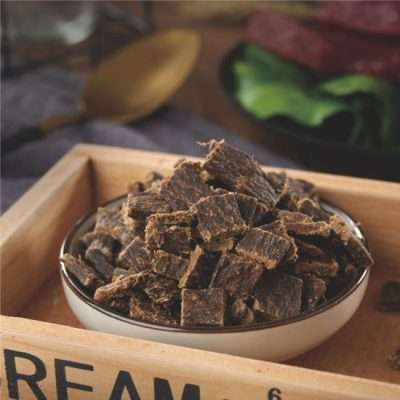
1. Ditch the kibble and choose a whole food, fresh diet.
- Commercial raw diet (ex. K9 Kravings)
- Commercial cooked diet (Farmer’s dog, NomNomNow, Justfoodfordogs)
- Air-dried diet (ex. Ziwi)
- Freeze-dried diet (ex. Stella and Chewy, primal, Sundays Food for Dogs)
- Human grade dehydrated (ex. Honest Kitchen)
- Also avoid highly processed treats such as Milk bones which are very inflammatory.
2. Add Cruciferous veggies and berries. The fiber will feed beneficial gut bacteria that, in turn, will support a healthy gut lining.
3. Give a daily high quality probiotic. A soil-based probiotic is a good choice here because the bacteria can survive the gastric acid of the stomach. Soil based probiotics are preferred as they can survive the gastric acid of the stomach. Important species to look for in a probiotic are Bacillus subtilis and Pediococcus acidilactici. Check out my blog post on probiotics. Feeding pre and probiotic-rich foods is also recommended. Checkout the Step by Step Guide to Fermenting Vegetables blog here.
4. Bovine colostrum. Colostrum contains proline-rich polypeptide (PRP) helps reduce histamine and “switch off” the body’s response to allergens. It also contains Immunoglobulins (IgG, IgA, IgM). These antibodies help to neutralize allergens and pathogens, providing immune support. Lactoferrin in the colostrum has anti-inflammatory, antimicrobial, and immune-modulating properties, helping to reduce inflammation associated with allergic reactions and support overall immune health. Additionally, cytokines within the colostrum are signaling molecules that regulate immunity and inflammation, helping to modulate the immune response and reduce inflammation caused by allergies. Give twice daily away from meals. Can be mixed with filtered water or bone broth.
5. Omega 3s. Give a daily high quality omega 3 such as green-lipped mussels or krill oil. Omega-3 fatty acids help dogs with allergies by reducing inflammation and supporting the skin barrier function, which can alleviate itching and improve overall skin health. Incorporating omega-3s into their diet can contribute to a reduction in allergic reactions and promote a healthier coat and skin. Check out my full blog on choosing the right omega 3. If your dog has allergy symptoms then I recommend doubling the dose of omega 3s for 30 days.
6. Consider medicinal mushrooms that have immune boosting properties. Medicinal mushrooms boost immunity for dogs by providing bioactive compounds that enhance immune function, helping to defend against infections and regulate inflammatory responses. Beta-glucans found in medicinal mushrooms are known for their immunomodulatory properties, which means they can help regulate and strengthen the immune system in dogs. By interacting with immune cells like macrophages, beta-glucans enhance the immune response, making it more effective against allergens and reducing inflammatory reactions that contribute to allergic symptoms. There are a few, good quality, mushroom dog supplements on the market. One I love is Vitality from Mycodog: https://cbddoghealth.com/product/vitality-for-dogs
7. Bone Broth. Bone broth can help alleviate dog allergies by improving gut health with nutrients like collagen and glutamine, which strengthen the gut lining and prevent allergen leakage. Its anti-inflammatory properties, derived from amino acids and minerals, reduce inflammation associated with allergies. Additionally, bone broth supports the immune system and enhances nutrient absorption, contributing to overall health and reduced allergy symptoms.
8. Quercetin. Quercetin is a phytonutrient with antioxidant, antihistamine, and anti-inflammatory properties. During an allergic reaction the body releases histamine. Histamine leads to inflammation, redness and irritation. Research has shown that quercetin can turn off histamine production and control inflammation. Quercetin is so effective in helping allergies that it’s known as “Nature’s Benadryl.” Quercetin supplements should be given on an empty stomach. Organic apple skins are great source of natural Quercetin. There are also supplements available. I recommend a dose of 75mg per 10 lbs.
9. Nettles. Nettles contain histamines and quercetin, which stimulate the body to protect itself from allergens and boost anti-allergy effects. You can pick nettles, dry them, make nettle leaf tea, sauté fresh nettles in MCT oil, or use a pre-made nettle tincture. Here is a link to a Nettle tincture I recommend. This is a good one to have in your medicine cabinet! Here is Nettle product for dogs https://www.onlynaturalpet.com/products/animal-essentials-nettle-herbal-extract-liquid-for-dogs-cats
10. Aloe Leaf: Fresh aloe gel from the plant or fresh aloe leaves can soothe itchy skin and reduce inflammation. Slice the leaf open and apply the clear gel to itchy areas. It’s also antibacterial, antifungal and anti-inflammatory. Find aloe that is at least 99% pure, organic, free of preservatives, human- and food-grade, and contains the inner leaf juice or gel only, and not the entire leaf.
11. Baking Soda. Baking soda is a great topical remedy for calming itchy, inflamed skin. You can create a paste by mixing one tablespoon of baking soda with water and applying it to itchy, reddened areas. This paste can be beneficial for soothing irritated skin, including between the toes or on top of the feet. Additionally, a baking soda spray, made by mixing one tablespoon of baking soda with eight ounces of water and applying it to the dog’s skin, can help calm and relieve allergic reactions.
12. Provide filtered water. Providing filtered water that is fluoride and chlorine-free is important for dogs with allergies as it reduces exposure to irritants, supports detoxification, and promotes overall hydration and health.
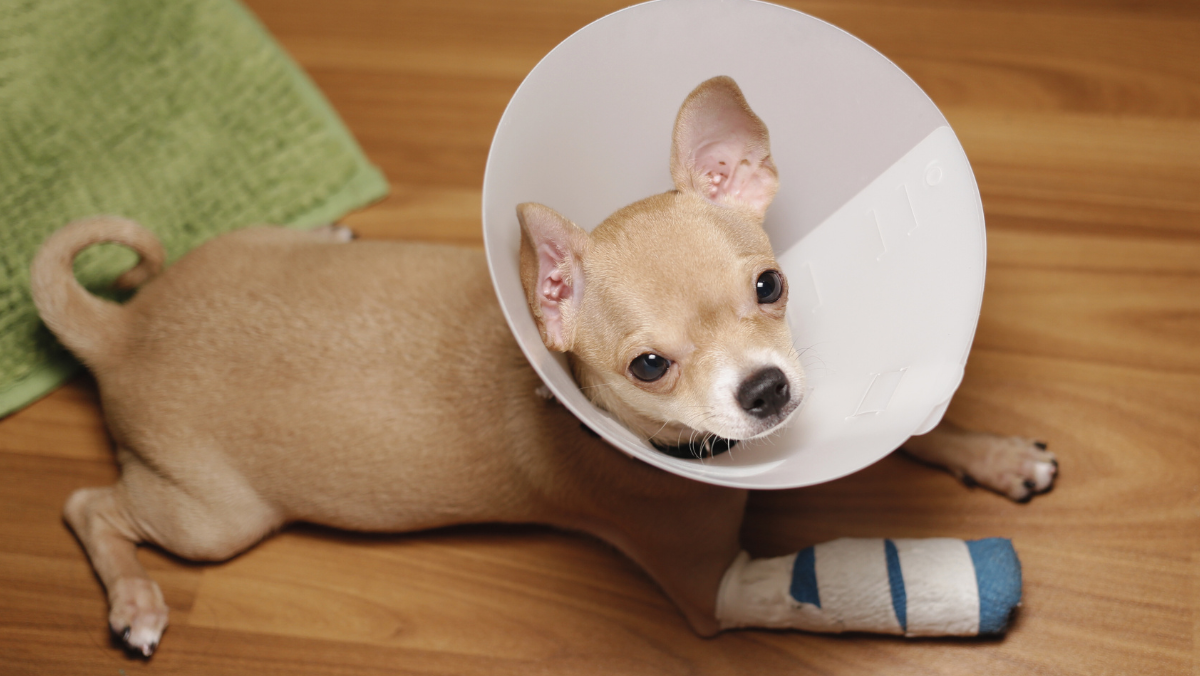
Breaking the cycle of itchiness, biting or licking, release of endorphins and repeat is essential to get the external inflammation under control and eliminate the risk of secondary infection. Treating topically and placing barriers such as a vest or elizabethan collar may be necessary for a couple of days to stop this cycle and allow healing for external skin wounds. Managing your dog’s anxiety during this phase may also be needed. Natural remedies for calming your dog’s anxiety include CBD oil, chamomile and valerian root. Lavender and passionflower can also be used, with lavender offering calming aromatherapy benefits and passionflower providing additional relaxation support.
Conclusion
Our dogs deserve every opportunity for a healthy and itch-free life. Yet, many of the treatments and practices recommended to dog guardians may inadvertently exacerbate rather than alleviate their skin allergies. It’s time to move away from quick fixes that suppress symptoms and instead focus on addressing the underlying causes affecting our dogs’ skin health. Over my two decades as an ER vet, I’ve witnessed an alarming increase in skin allergies and their impact on our canine companions’ well-being. It’s crucial that we reevaluate our approach to managing skin allergies and work towards solutions that promote long-term comfort and vitality in our beloved pets. Together, we can implement changes that ensure our dogs enjoy a life free from the distress of skin allergies.
Join Our Tribe and Receive Dr. Loudon’s Newsletter!