
The Role of The Liver
The liver’s main roles include removing toxins, processing food nutrients, and regulating body metabolism.
The liver is also responsible for protein and clotting factor production, fat and fat-soluble vitamin digestion and absorption, immune regulation, antioxidation, and detoxification. Medication and drugs are filtered through the liver and are neutralized or converted into other forms by special enzymes.
The most amazing thing about the liver is that it is the only organ in the body to regenerate itself. Up to 70% of the liver can be removed or damaged before failure results. So… when the liver starts showing signs of disease, we know significant damage has occurred.
I’m going to go through the causes of Chronic Hepatitis so that you can hopefully prevent it in your own dog. I will also dive deep into testing and treatment to help those navigating liver disease with their dog right now.
Hepatitis
Hepatitis is inflammation of the liver that has many possible causes. Dogs can develop immediate inflammation in their liver called acute hepatitis or long-term inflammation called Chronic Hepatitis. Chronic hepatitis (CH), also known as chronic active hepatitis, can lead to scar tissue formation and cirrhosis in the liver. Cirrhosis is an extensive, end-stage liver condition. Some dogs with acute hepatitis will progress to the chronic form.
Several breeds are predisposed, including Bedlington Terriers, Labrador Retrievers, Cocker Spaniels, Doberman Pinschers, Skye Terriers, Standard Poodles, West Highland White Terriers, Springer Spaniels, Chihuahuas, and Maltese.
Chronic hepatitis is more common in female dogs. The average age of presentation ranges from 4 to 10 years (mean age 7.5 years).
Causes
In most cases, the exact cause remains unidentified. Idiopathic chronic hepatitis indicates a cause has not been determined and is the most common diagnosis. In some cases, acute hepatitis (e.g. aflatoxicosis) progresses to CH, even after elimination of the initial cause.
Conditions that can lead to CH include:
-
Chronic exposure to substances such as certain drugs, toxins, and chemicals.
Drugs and toxins are known to cause liver injury:
-
- Acetaminophen
- Arsenicals
- Glucocorticoids
- Ketoconazole
- Sulfonamides
- Anabolic steroids
- NSAIDS such as Carprofen
- Griseofulvin
- Dewormers such as Mebendazole
- Tetracycline
- Anticonvulsants such a phenobarbital
- Furosemide
- Itraconazole
- Mitotane (o,p-DDD)
- Heartworm drugs
- Commercial Flea & tick pesticides
- Vaccines
- Chemical cleaners
- Flame retardants in furniture & carpet
- Pesticides & herbicides
- Processed foods
- Food additives
- Mycotoxins from grain & peanut products
- Over-the-counter shellfish-based joint supplements containing excessive copper
- Supplements containing blue-green algae
- Environmental toxins
- Heavy metals
- Tattoo or microchip ID
-
Infectious processes
(Infections are an uncommon cause of chronic hepatitis (CH); however, searching for an infectious agent is warranted.)
-
- Leptospirosis
- Histoplasmosis, Bartonella, Leishmania and Helicobacter spp
- Protozoal (Neospora, Sarcocystis, Toxoplasma)
- Viral
-
Copper-Associated Hepatitis
Elevated hepatic copper concentrations with inflammatory liver disease are common. Abnormal hepatic copper accumulation may result from increased dietary copper intake or genetic defects in copper metabolism. A hereditary background in copper-associated hepatitis has been seen in Bedlington Terriers, Labradors, Dobermans, West Highland White terriers, Dalmatians, Skye terriers, the Anatolian shepherd, Pembroke and Cardigan Welsh corgis, and Clumber spaniels. there have been cases of over-the-counter shellfish-based joint supplements containing excessive copper.
-
Autoimmune
Immune-associated hepatitis may make up 63% of hepatitis cases. The process suspected is an insulting agent damages the liver cells ➡ liver antigens are released ➡ a secondary immune response is initiated, and chronic hepatitis is perpetuated. It is possible that the standard poodle, Cocker spaniel, English springer spaniel, and Doberman pinscher may have immune-mediated mechanisms causing chronic hepatitis.
Symptoms
- Some dogs are asymptomatic initially and the disease identified from routine bloodwork screening.
- Excessive drinking and urination
- Weight and muscle loss ( most notable along the spine).
- Sudden distended abdomen due to an enlarged liver and/or ascites ( fluid-build up)
- Vomiting
- Diarrhea (sometimes yellow or black (melena) if bleeding is occurring)
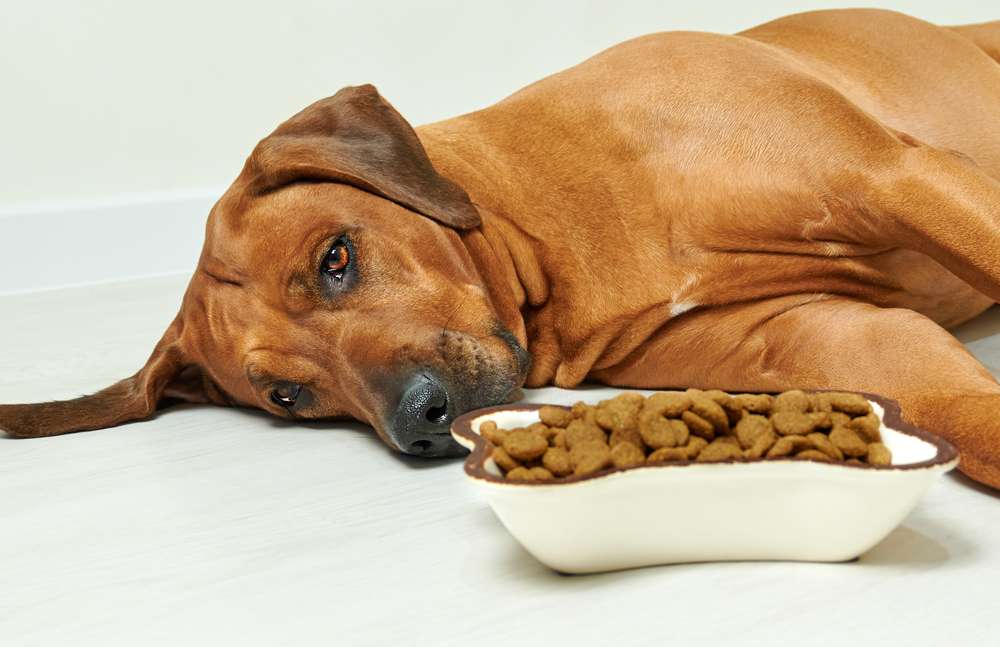
- Lack of appetite
- Jaundice- yellow color to the gums, skin, and sclera of the eyes.
- Abnormal bleeding tendencies
- Lethargy
- Neurological symptoms include dull mentation, disorientation, and seizures due to ammonia build-up (hepatic encephalopathy).
Diagnostic Testing Your Vet May Recommend Include:
- Complete Blood Count (CBC): CBC changes are often nonspecific and may include anemia, white blood cell elevation, and low platelet count.
- Biochemistry Profile: Elevated liver enzymes. Elevated ALT is the most common abnormality. Approximately 90% of cases exhibit an ALT level 5-18 times higher than normal. ALP, AST and GGT levels may also be increased. Liver enzyme levels may normalize with progression to cirrhosis.
- Testing for vitamin and mineral deficiencies.
- Urinalysis: Dilute urine may be present due to excessive drinking and urination. Ammonium bi-urate crystals may also be noted.
- Bile Acid Assays: Serum bile acids are abnormal in most cases having significant chronic hepatitis, and measurement of bile acids appears to be a good screening test for the patient with unexplained elevations in ALT and ALP.
- Ammonia Measurement: This may be increased but can also be with normal levels.
- Coagulation Tests: The liver plays a key role in coagulation, and therefore, assessing coagulation status is necessary, especially prior to your dog undergoing a biopsy. An in-hospital test is called a PT/PTT.
- Radiography: Decreased abdominal detail from free fluid in the abdomen and a small (chronic disease) or large (acute disease) liver may be noted on radiographs.
- Ultrasonography: abdominal ultrasound may reveal free fluid in the abdomen (ascites), small (chronic disease) or large (acute disease) liver, nodules or tumors on the liver, and changes in the surface of the liver.
- Biopsy with Histopathology: This is one case where I feel that biopsy is worth pursuing because histology is necessary for a definitive diagnosis and will determine the course of treatment. This should be performed by a board-certified internist, and it is critically important that high-quality samples are taken from multiple lobes. Sedation and pain management will likely be necessary for this procedure. Needle aspirates are not helpful in making the diagnosis of chronic hepatitis.
- Copper measurement: You can measure copper levels with special stains on hepatic biopsies. Be sure your vet requests this when the biopsy is submitted to the lab.
- Culture and sensitivity: This should be performed on the biopsy sample to rule out a bacterial component.
Treatment
There should be 4 general goals of therapy:
-
- Treat the underlying disease by removing the inciting cause (if it can be identified).
- Liver support
- Treat symptoms
- Nutritional support
1. Treat Underlying Disease (remove primary cause if identified)
- Removal of inciting cause
- Stop chronic medications (anticonvulsants, NSAIDS, conventional flea & tick meds, etc.)
- Treat any adverse drug reactions (ex. Acetaminophen intoxication may be treated with N-acetylcysteine)
- If Copper Storage hepatopathy is diagnosed, remove the source (if food is the culprit) and start chelation therapy (see below).
- Treat underlying conditions such as infection, Diabetes or Cushing’s disease.
2. Specific therapy for liver support-I do not recommend starting any of these medications without the guidance of a veterinarian.
- Ursodiol (Ursodeoxycholic acid)
This drug has been shown to increase bile acid-dependent flow and reduce hepatocellular inflammatory changes, fibrosis, and possibly some immunomodulating effects. The hepatoprotective characteristics of ursodeoxycholic are that of a super antioxidant. The dose for ursodeoxycholic acid is 10–15 mg/kg daily. No toxicity has been observed in dogs and cats at this dose. Some have raised a concern that it should not be used if there is any possibility of a bile duct obstruction for fear of biliary rupture; however, Ursodiol is not a prokinetic and will not cause a gallbladder rupture.
- Immunosuppressive/Anti Inflammatory drugs
Anti-inflammatory therapy is indicated in immune-mediated chronic hepatitis (contraindicated in acute hepatitis).
Dose 1–2 mg/kg/day using prednisolone (prednisone requires hepatic biotransformation). When clinical improvement is suspected, or after several weeks, the dose is gradually tapered, eventually to a dose of 0.5 mg/kg/day or every other day. The only accurate way to evaluate a response to any therapy is to re-biopsy the patient in approximately three to six months because the patient will develop a concurrent steroid hepatopathy with increased liver enzymes, making laboratory determination of any improvement difficult. Alternatively, one could stop steroids and recheck enzymes in one to two months.
Other immune-suppressive therapy may be a better approach because of the side effects of steroids and the failure to successfully monitor liver enzymes while receiving steroid therapy. Cyclosporine, used initially at 5 mg/kg twice daily (without steroids), has been very encouraging in dogs that are thought to have immune-mediated chronic hepatitis.
- Antibiotics
Antibiotics are indicated when a primary hepatic infection has been diagnosed. Secondary bacterial colonization may also take place in a diseased liver. Therefore an antibiotic therapy trial may be indicated in patients having significant hepatic disease. Amoxicillin or metronidazole is suggested. If metronidazole is prescribed, I suggest a much lower dose, such as 7.5–10 mg/kg twice daily, because of the hepatic metabolism of the drug. Leptospirosis, which has been associated with chronic hepatitis, responds to amoxicillin; therefore, this is a good choice of antibiotic.
- Antioxidants
Antioxidants are compounds in foods that scavenge and neutralize free radicals. There is evidence that free radicals are generated in chronic hepatitis and participate in developing oxidative liver injury in dogs.
- Vitamin E (d-alpha tocopherol)
Vitamin E functions as a major membrane-bound intracellular antioxidant. Vitamin E is shown to protect against the effects of copper, bile acids, and other hepatotoxins. A suggested vitamin E dose is 10 IU/kg/day up to a maximum of 400 IU. At this dose, vitamin E is very safe. A water-soluble (natural vitamin E) is preferred as it has better bioavailability.
- S-Adensosylmethionine (SAMe)
This is a naturally occurring molecule found in all living organisms and is involved in several metabolic pathways that appear to support the liver and other tissues. SAMe is involved in cell replication and protein synthesis, has a modulating influence on inflammation, and plays a role as a precursor of the antioxidant glutathione in the liver cell. Studies show that SAMe therapy increases glutathione concentrations in the liver. A commercial brand made for dogs is Denamarin. Dose: A loading dose of 40 mg/kg body weight) followed by a maintenance dose (20 mg/kg body weight).
- Milk thistle (Silymarin)
Research shows that it may have liver-protective properties. It has been suggested that silymarin has strong antioxidant effects and may help promote liver cell regeneration, reduce inflammation, and benefit those with liver disease. Milk thistle is best reserved for use when the liver is already under abnormal stress and not as a preventative, daily supplement.
Dose: Tinctures – Starting dose of 1/4 tsp per 20 lbs of body weight per day, split into 3-4 equal doses.
Powders – give 2-5 mg per 1 lb of body weight, 3-4 times per day.
Milk thistle is reported to have extremely low toxicity in humans and animals and has been used extensively in clinical patients with little concern for side effects. Check out my blog on milk thistle for more info.
- Copper Hepatopathies
Removing copper is recommended in dogs with chronic hepatitis where copper accumulation has been diagnosed. Therapy using oral zinc before meals or copper chelation with d-Penicillamine is recommended. Feeding a copper-restricted diet is necessary; however, feeding it by itself often will not lower hepatic copper concentrations sufficiently. One exception to this may be the Labrador retriever.
-
- Chelator therapy includes D-Penicillamine (10–15 mg/kg twice daily). This drug occasionally causes vomiting, and administering it with food may lessen the problem. Trientine (Cuprimine) is another copper chelator that is also effective (10–15 mg/kg twice daily) and has fewer side effects than d-penicillamine.
- Zinc can be used to prevent copper accumulation, but it can also act as an antifibrotic agent. Zinc decreases intestinal absorption of copper, and can be instituted after copper chelation therapy (never at the same time) is completed. It is typically used as maintenance therapy, and onset of affects may take months. Zinc can be administered in the zinc acetate form at a dose of 5-10 mg elemental zinc/kg q 12 hrs. Administration on an empty stomach is ideal but zinc can be given with a small amount of food. Gastrointestinal side effects are the most common problem encountered, and many dogs do not tolerate supplemental zinc. Be aware that zinc administration can rarely cause a condition called hemolytic anemia; therefore, periodic blood zinc measurements and CBCs are recommended in patients receiving zinc therapy.
- Vitamin C increases copper excretion in urine and decreases copper absorption. It also replaces ascorbic acid in damaged hepatocytes. Give with meals at a dose of 25 mg/kg/day.
3. Treatment of Symptoms
-
- Dehydration may be corrected with IV or subcutaneous fluids. The fluid administration route will depend on the extent of clinical symptoms.
- Vomiting may be treated with anti-nausea injections. (Avoid cerenia as it is metabolized by the liver).
- Diarrhea may be managed by diet and increased fiber intake.
- Severe ascites (fluid in the abdomen) may need to be drained and a medication called spironolactone added.
- A feeding tube may become necessary if anorexia is prolonged.
- Plasma transfusion if clotting times are prolonged and also prior to biopsy.
- Hepatic encephalitis symptoms may be treated with oral or rectal lactulose, repeated enemas, protein-restricted diet, antibiotics, anti-convulsants, etc.
- Dextrose supplementation may be needed if hypoglycemia is present.
4. Nutritional Support
Diet therapy should be considered and formulated individually; however, a few general guidelines should be followed.
-
- The food needs to be appetizing to ensure adequate energy requirements are achieved.
- There is a misconception that all patients should be on a protein-restricted diet. Protein restriction should only be instituted in patients with neurological symptoms that indicate hepatic encephalopathy.
- Feeding frequent small meals will lead to better absorption and digestion of nutrients and a more continuous gastrointestinal energy supply.
- Sodium restriction is recommended if ascites (free fluid in the abdomen) is present.
- Avoid feeding a dry processed diet. Feed food that is free of synthetic vitamins, minerals, and toxic byproducts. Grains found in kibble can contain molds called mycotoxins. and even grain-free kibbles are full of pesticides and other toxins. Processed foods also contain toxic byproducts such as heterocyclic amines and acrylamides.
- Diets should be low in saturated fats and refined carbohydrates to prevent further oxidative stress to the liver, pancreas, and gallbladder.
- Dogs with liver disease should eat diets high in methionine, cysteine, taurine, selenium, Omega-3, and zinc.
- A fresh, gently cooked diet prepared at home with human-grade lean meats (venison, ostrich and kangaroo), poultry, fish (such as sardines, salmon and cod), eggs (for the most bioavailable protein and choline content), and vegetables is the best option for liver patients. Consider home-cooked recipes tailored for liver disease from balanceit.com.
- Red meats are generally higher in fat and best avoided.
- Low fat (10-15% DM) is often recommended in most liver disease.
- Restrict Copper to (2.6mg/kg of food) in copper toxicity
- Chicken and turkey meat (vitamin B6, selenium and phosphorus)
- Eggs (methionine, B vitamins, vitamin D, selenium and iron, as well as high biological value protein)
- Oats (cysteine, selenium, vitamin B1 and manganese.)
- Yogurt (methionine, calcium, phosphorus, iodine, zinc, potassium and vitamins B2 and B12)
- Broccoli (methionine, vitamin C, biotin, B2, B6, folic acid, manganese, potassium and antioxidants)
- Lamb and pork liver (taurine, high biological value protein)
- Ocean fish, salmon (taurine, Omega 3)
- Starch rich vegetables such as sweet potato and in particular purple sweet potato in liver disease. In a Japanese study, this helped to reduce raised liver enzymes when ingested in a juice form.
Slowly rotate through the proteins and vegetables to create a diverse and balanced diet rather than feeding each daily. Check out recipes tailored for liver disease from balanceit.com or seek the guidance of a canine nutritionist.
Prognosis
The prognosis is good when treatment is initiated in an early stage of the disease, and dogs can have a normal life expectancy. The prognosis is more guarded when the diagnosis is established late in the disease stage when cirrhosis is already present. Low albumin, low blood sugar, and coagulopathies are poor prognostic factors. Hepatic encephalopathy, GI ulceration, and ascites occur in advanced hepatitis or cirrhosis, also indicating a poor prognosis.
In Summary
To help keep your dog’s liver at optimal health:
- Feed a fresh diet instead of ultra-processed kibble. Check out my blog on diet.
- Choose natural flea and tick protocols.Check out my blog on natural flea and tick options.
- Elect for blood titers to avoid over-vaccination. Check out my blog on vaccines.
- Limit exposure to environmental toxins when possible. Use only natural pesticides for your yard.
- Prevent overuse of medications. Know which medications can cause liver inflammation so that you can question your vet if they are prescribed for your dog. If these medications are necessary for your dog’s condition then take precautions, add liver support while on the meds and detox afterwards.
- Regular check-ups can help catch potential issues early. Yearly bloodwork can pick up on liver enzyme elevations before clinical symptoms arise.
- Maintain a Healthy Weight: Prevent obesity through proper diet and exercise.
- If your dog shows symptoms of liver disease pursue a thorough diagnostic work-up.
Many causes of Canine Hepatitis are preventable. Our faithful companions deserve our vigilance in minimizing their exposure to potential triggers, ultimately ensuring their longevity and quality of life. That is why I want you, the dog guardian, to be empowered with knowledge in order to keep your dog safe.