
Introduction
Deciding to euthanize a beloved dog is one of the most heart-wrenching choices a guardian can face. This decision often comes when a dog is suffering from a terminal illness or experiencing unmanageable symptoms that severely impact their quality of life. Knowing when it’s time requires a compassionate and thorough approach. This guide aims to support you through this challenging time, offering signs to look for, steps to take, and methods to ease your dog’s discomfort.
Reasons To Consider Humane Euthanasia
Terminal Illness
When your dog is diagnosed with a terminal illness, it can feel like you’ve been hit by a truck. It’s a heart-wrenching moment that catches us off guard. You may have to make an urgent decision, and in some cases, you may not have another option. However, a terminal diagnosis doesn’t necessarily mean it has to be the end right then and there. There may still be opportunities to manage symptoms and provide your dog with additional quality days. It’s reasonable to ask your veterinarian, “Can we make him comfortable for a while?” or “Is palliative care or hospice an option?”. Your vet may say “no” if medications or remedies will not help ease your dog’s particular condition. But it is worth asking because holistic care and homeopathic remedies may offer some respite from symptoms for a while. If you would like a second opinion you can schedule a telehealth call with me here.
Age-Related Decline
Quality of life encompasses the pet’s ability to enjoy activities, eat, drink, and engage with their environment and family. Diminishing quality of life is a natural aging process and may not mean that euthanasia must be considered immediately. However, when a pet no longer enjoys these aspects of life, coupled with symptoms of suffering, euthanasia can be a compassionate choice.
Mobility Issues
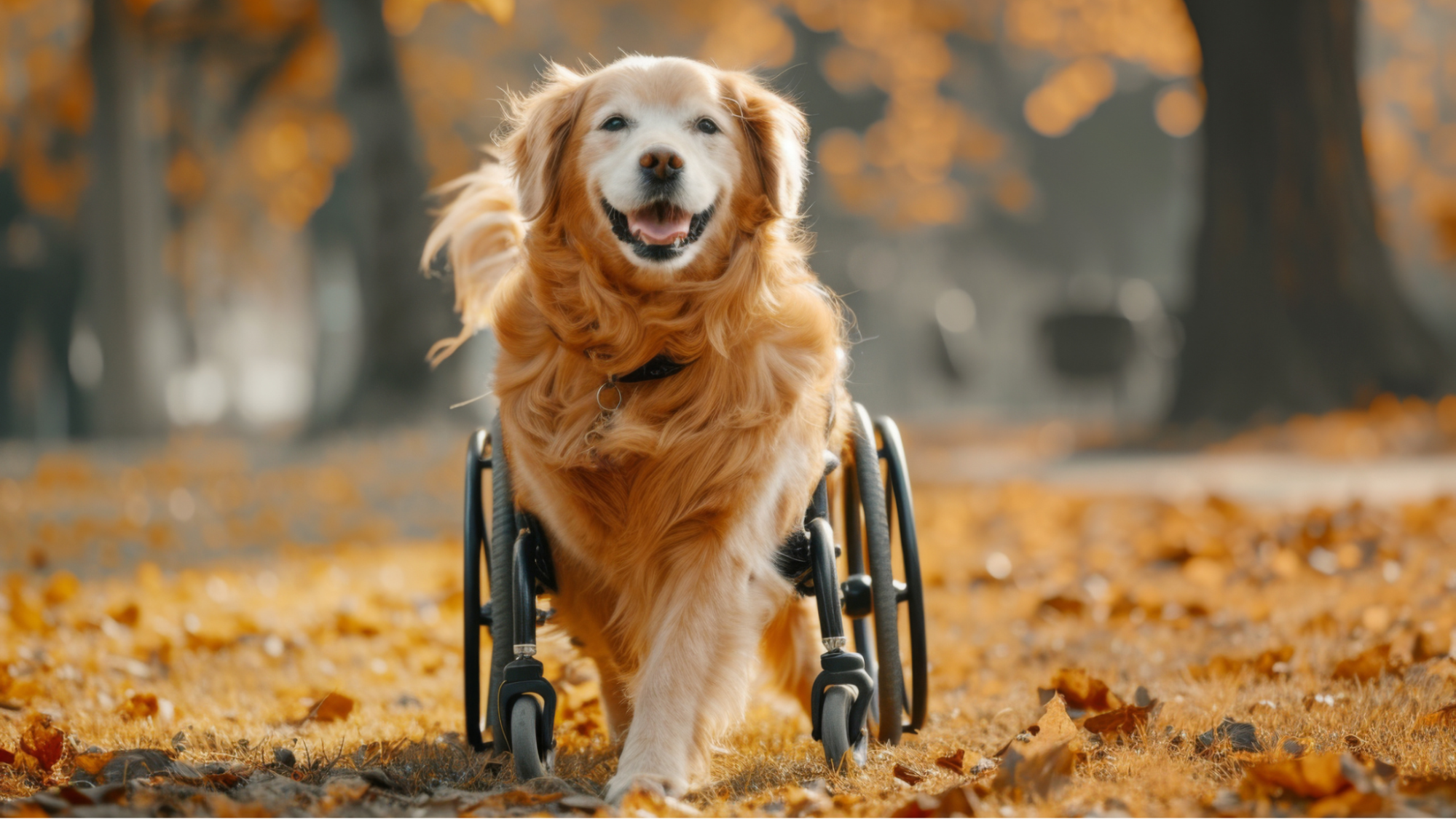
Lack of mobility is one of the most common reasons I am called for home euthanasia. This can be very difficult for both the dog and the guardians, especially if it is a large breed dog. If your dog is starting to have trouble getting around, the sooner you start them on joint support and pain management, the longer you will be able to keep them mobile. If you would like to try some remedies before making the decision for humane euthanasia, here are some I recommend:
- CBD Ease from CBD Dog Health: Known for its anti-inflammatory and pain-relieving properties.
- PEA (Palmitoylethanolamide): A natural supplement that can help reduce pain and inflammation.
- Omega 3s: green lipped mussels contain highly concentrated omega 3s and chondroitin. You can purchase mussel oil and add on some freeze dried mussel treats. Here is a joint supplement that I recommend: https://fourleafrover.com/products/hip-joint
- Acupuncture: This traditional Chinese medicine technique can provide pain relief and improve mobility.
- Massage: Regular gentle massage can help ease pain and improve circulation.
- Physical therapy: the water treadmill can do wonders for a dog’s mobility and core strength.
- Turmeric: A natural anti-inflammatory that can be added to your dog’s diet.
- NSAIDs (Non-Steroidal Anti-Inflammatory Drugs): Prescribed by your vet to reduce pain and inflammation. This is a medication I save for end-stage arthritis once the other remedies are no longer able to control the pain.
- Stronger Pain Medications (e.g., Tramado, Gabapentin): Used when other pain relief options are insufficient.
- Steroids: this would be recommended if intervertebral disease is the cause for immobility or if NSAIDS have been used and are no longer working.
Recognizing When It’s Time

Some key symptoms indicating that your dog may be suffering include:
- Labored Breathing: if labored breathing is a progressive symptom of your dog’s terminal illness then this is one of the first signs of suffering.
- Crying and Vocalization: Persistent whining, crying, or other vocal signs of distress.
- Incessant Restlessness: Difficulty settling down, constant pacing, or an inability to relax or sleep with no relief from remedies or supplements.
- Lack of Appetite: Refusal to eat or drink for multiple days, leading to weight loss and weakness.
- Vomiting and Diarrhea: Frequent episodes that do not improve with treatment.
- Inability to Ambulate: Difficulty standing, walking, or moving without assistance after supplements and medications no longer work.
- Changes in Behavior: Withdrawal, aggression, or other drastic behavior changes.
- Seizures that cannot be controlled with medication and supplements.
- Collapse, generalized weakness: This could indicate the end stage of disease.
Steps to Take Before Making the Decision
- Consult Your Veterinarian: Schedule an exam with your regular veterinarian to thoroughly assess your dog’s condition. This step is crucial to understand the severity and potential treatments available. If your dog is geriatric and you would like to avoid the stress of a vet visit for your dog then you can make a quality of life telehealth appointment with my team to discuss your options.
- Diagnostic Tests:
- Bloodwork: To check for underlying conditions or to assess the severity of the illness.
- X-Rays or ultrasound: To get a clearer picture of internal issues and to see if they are treatable or manageable.
- Pain Management: Try various pain relief methods and support as stated above to see if they improve your dog’s quality of life if feasible for your dog’s condition
- Nutrition: if your dog’s appetite is waning try cooking for them. Feed gently cooked meats, fish, with veggies. Real, fresh food is always better for any dogs but it is especially important when they are in a state of ill-health.
Making the Decision
 You know your dog better than anyone else. If despite all efforts to prolong their life and alleviate pain, their quality of life continues to decline, it might be time to consider euthanasia. Often, dogs will give a look that tells you they are tired and ready to go. Trust your intuition and observations. And once you make this difficult decision for your dog, let go of the guilt. Know that you did all you could to try to save them and now it is time to grant them a final gift, a peaceful transition. See my blog on how to ensure your dog has a peaceful passing here.
Conclusion
Choosing to euthanize your dog is a profoundly personal and difficult decision. It is essential to approach this process with careful consideration and support from your veterinarian. Remember, this decision is made out of love and compassion, aiming to prevent further suffering and provide a peaceful transition. Reach out to support groups, friends, or family who understand what you are going through. You are not alone in this, and there are resources available to help you and your beloved pet through this challenging time. I am here if you would like to discuss your dog’s situation. I also have a community called The Dog Mom Society that is filled with dog lovers who have been where you are and we would be honored to support you through this time. Click the link below for more information. And lastly, grant yourself grace during this time. You are doing the best you can and your dog thanks you for it.
Registration for The Dog Mom Society is open!
In our community you’ll gain clarity on all things canine nutrition and holistic wellness.
Together, we’ll navigate this journey to enhance your dog’s health, happiness, and well-being.
And you’ll gain the confidence that you’re doing right by your dog every step of the way!